EU Regulatory Overhaul Targets Google's Android Dominance
The European Union has officially mandated sweeping changes for Google's Android ecosystem, compelling the tech giant to share search data and open up its AI capabilities to third-party developers. This decisive regulatory action, detailed in new directives, aims to foster greater competition and user choice within the dominant mobile operating system. Google has voiced concerns, suggesting these changes could compromise user privacy and security.
At the heart of the EU's new regulations is the principle of interoperability and fair competition. For years, Google has leveraged its integrated ecosystem – combining search, AI, and its Android operating system – to maintain a powerful market position. Critics argue this integration has stifled innovation and limited consumer options, effectively creating a walled garden where Google's services are preeminent.
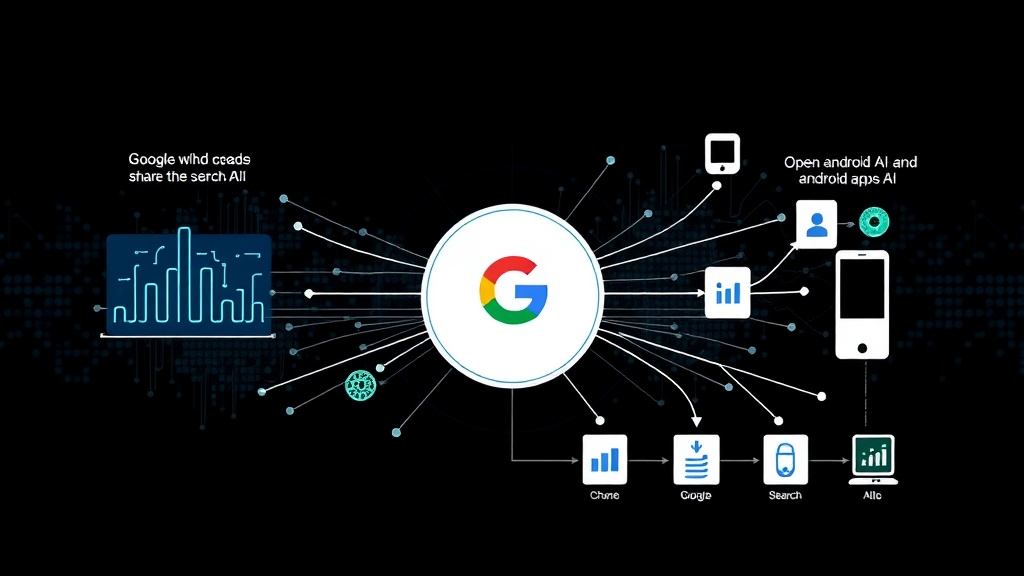
The mandate requires Google to provide anonymized search query data to competing search engines operating within the EU. This data, previously held exclusively by Google, is a critical asset for any search provider looking to improve its algorithms and user experience. By sharing this information, the EU hopes to level the playing field and allow other search services to more effectively challenge Google's market share.
Furthermore, the regulations extend to Google's artificial intelligence initiatives on Android. Previously, AI features integrated into the Android experience, such as Google Assistant and other AI-driven functionalities, were largely proprietary. The new directive mandates that Google must open up these AI capabilities, allowing developers to integrate their own AI models and services into the Android operating system. This move is intended to spur innovation in mobile AI, moving beyond Google's own offerings and enabling a more diverse range of AI-powered applications and user experiences.
Implications for AI and App Development on Android
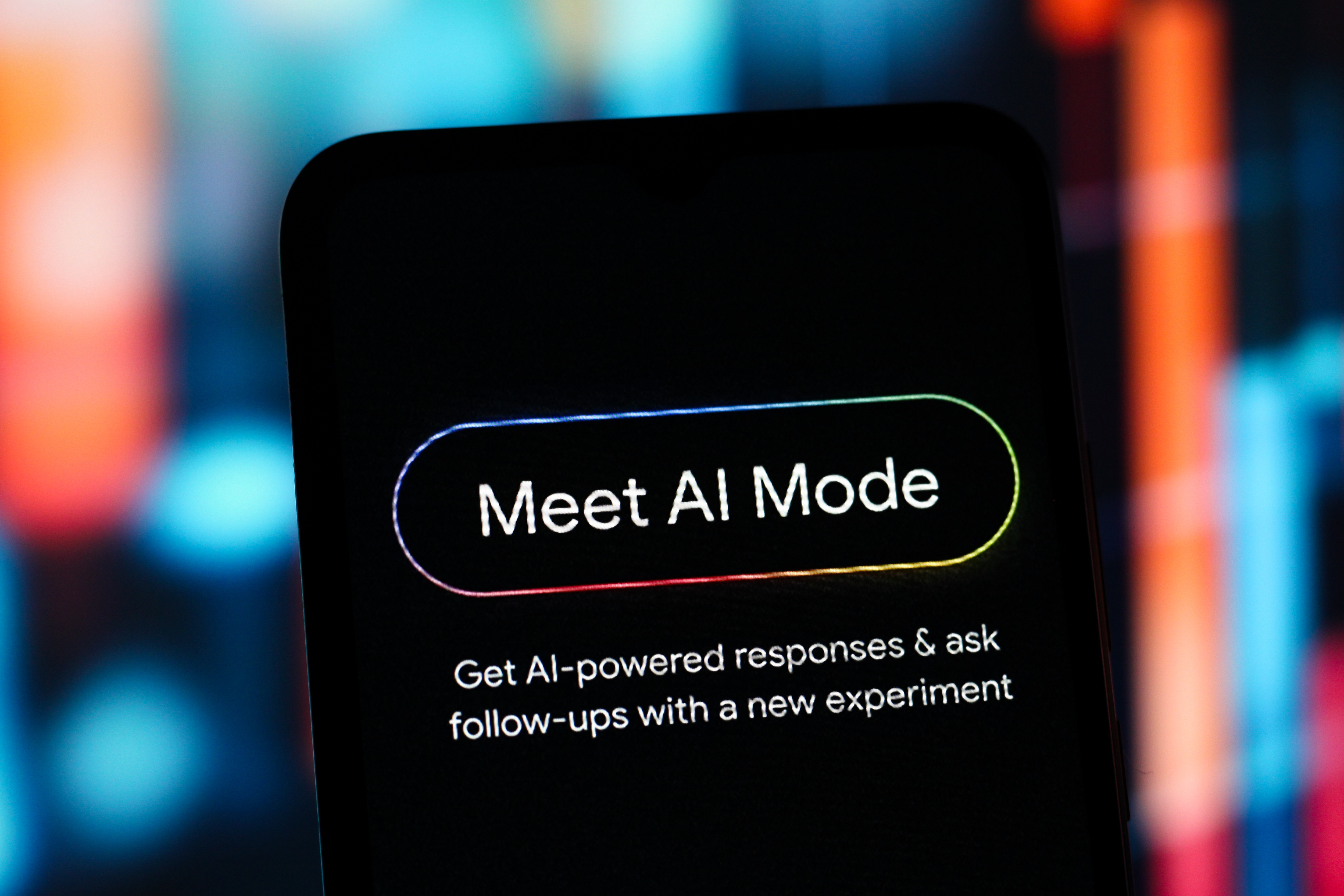
Google's recent expansion of its AI Mode, allowing users to link and interact with select apps, offers a glimpse into the potential future of Android AI under these new regulations. The update, which moved beyond simple question answering to task completion across apps, signals Google's own efforts to make its AI more versatile. However, the EU's mandate goes further, pushing for a more open framework where third-party AI can be deeply integrated.
This opening of AI capabilities could lead to a Cambrian explosion of AI-driven features on Android. Developers might create AI assistants tailored to specific industries, offer specialized AI-powered productivity tools, or build novel forms of user interaction that leverage AI in ways currently unimagined. For users, this could mean a more personalized and powerful mobile experience, with AI not just responding to commands but proactively assisting with a wider array of tasks, potentially across multiple specialized AI models.
The technical challenge for Google will be to implement these changes without creating significant security vulnerabilities. The company's public statements highlight these concerns, suggesting that exposing core functionalities and data could open new avenues for malicious actors. Ensuring that third-party AI integrations are secure, do not compromise user data privacy, and do not degrade the overall performance of the Android operating system will be a delicate balancing act.
Google's Stance and Potential Backlash
Google's response to these mandates has been cautious, with the company indicating its commitment to compliance while simultaneously raising red flags about the potential negative consequences. The argument that user privacy and security could be endangered is a significant one. Sharing sensitive search data, even if anonymized, carries inherent risks. Similarly, allowing unfettered access to AI frameworks could, in theory, be exploited if not rigorously controlled and sandboxed.
This regulatory intervention by the EU is part of a broader global trend of increased scrutiny on Big Tech companies. Similar antitrust and data privacy regulations have been proposed or enacted in various jurisdictions, reflecting growing governmental concern over the immense power wielded by dominant technology platforms. The EU, often at the forefront of such regulatory efforts, is setting a precedent that other regions may follow.
The impact on the broader tech landscape could be profound. If successful, these EU regulations might force a re-evaluation of how mobile operating systems and their associated AI services are designed and monetized. It could encourage a more decentralized approach, where platform owners provide robust APIs and frameworks, while specialized third-party providers offer advanced AI functionalities. This shift could fundamentally alter the competitive dynamics in the mobile app market and the AI industry.
The success of these mandates will hinge on their implementation and enforcement. Google will need to provide clear, robust APIs and data access mechanisms that are both secure and genuinely useful to competitors. The EU will, in turn, need to actively monitor compliance and ensure that the spirit of the regulations — fostering competition and user choice — is upheld. The coming months will reveal the extent to which Google adapts and the real-world impact on the Android ecosystem and its users.