Sepsis: A Race Against the Clock
Sepsis is a brutal, indiscriminate killer. It begins when the body’s immune system, in its fight against an infection, overreacts and starts damaging its own tissues and organs. This cascade can rapidly lead to septic shock, multi-organ failure, and death. In Europe alone, a person dies from sepsis or septic shock every minute. The speed of onset and progression means that every second counts. This is precisely the critical window Efferon, a European biotechnology startup, aims to address with its novel cell therapy.
The company is not developing a new antibiotic, nor is it focused on the initial infection. Instead, Efferon is targeting the body’s catastrophic inflammatory response that defines sepsis. Their approach is based on the understanding that while fighting the infection is crucial, uncontrolled inflammation is what causes the devastating damage to organs like the kidneys, lungs, and heart. By modulating this immune overreaction, Efferon believes it can significantly improve patient outcomes and, crucially, buy clinicians the time they need to administer definitive treatments.

Efferon's Therapeutic Approach: Modulating the Immune Response
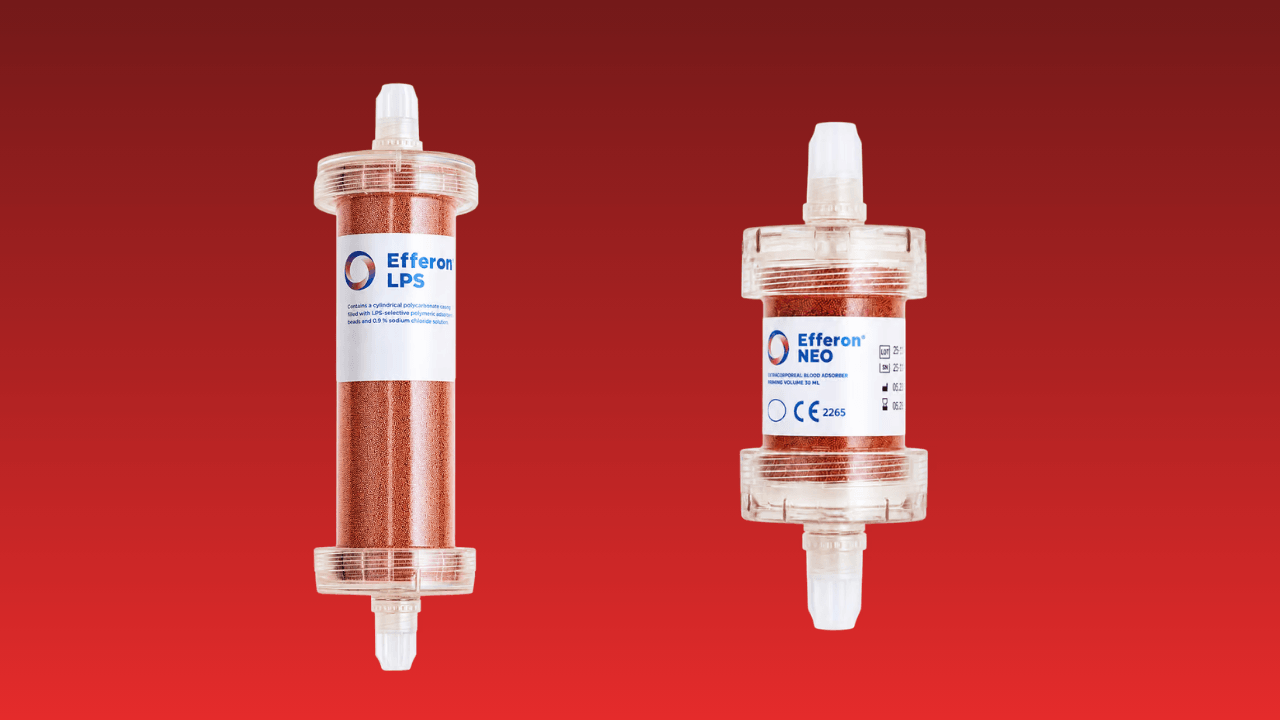
Efferon's therapeutic candidate, currently in development, is a cell-based therapy designed to dampen the hyperactive immune response characteristic of sepsis. While the exact proprietary details remain under wraps, the core principle involves introducing specific cells or cellular components that can regulate the overzealous inflammatory pathways. Think of it less like a firefighter trying to extinguish the blaze and more like a skilled air traffic controller directing planes to land safely, preventing a mid-air collision. In sepsis, the immune system is the out-of-control aircraft, and Efferon’s therapy aims to guide it back to a stable flight path.
The therapy is designed to be administered intravenously, allowing it to circulate throughout the body and interact with the immune cells driving the inflammatory storm. By neutralizing key pro-inflammatory cytokines or promoting anti-inflammatory signals, Efferon's treatment aims to halt the self-inflicted damage without compromising the body’s ability to eventually clear the underlying infection. This delicate balance is key; an immunosuppressive therapy that leaves the patient vulnerable to the original pathogen would be counterproductive. Efferon’s challenge is to achieve potent immunomodulation that is both effective and safe.
The Urgency of Time in Sepsis Treatment
The phrase 'selling time' is not hyperbole; it is the stark reality of sepsis management. Current treatment protocols often involve a combination of rapid fluid resuscitation, broad-spectrum antibiotics, and vasopressors to maintain blood pressure. However, these interventions are most effective when initiated within the first hour of symptom recognition. Beyond this golden hour, the chances of survival decrease dramatically with each passing minute. Organ damage becomes increasingly irreversible, and the likelihood of long-term sequelae or death rises sharply.
Efferon's therapy seeks to extend this critical window. By stabilizing the patient’s condition and reducing the rate of organ damage, it provides a buffer. This buffer allows clinicians more flexibility in administering antibiotics, optimizing fluid management, and potentially waiting for diagnostic tests to identify the specific pathogen and guide targeted antibiotic therapy. It also offers a lifeline for patients whose sepsis is not immediately recognized or who present with atypical symptoms, buying them precious hours that might otherwise be lost.
Challenges and the Path Forward
Developing a cell therapy for a condition as complex and rapidly evolving as sepsis presents significant hurdles. Efferon must demonstrate not only the safety and efficacy of its treatment in rigorous clinical trials but also its ability to integrate seamlessly into existing sepsis management protocols. The therapy needs to be manufacturable at scale, stable for transport and storage, and administered in a way that is practical for hospital settings, particularly in emergency departments and intensive care units.
Furthermore, the diagnostic challenge of sepsis cannot be overstated. Early and accurate identification of sepsis is paramount. Efferon's therapy, while targeting the inflammatory response, still relies on timely diagnosis of the underlying infection and the systemic inflammatory state. The company’s success will hinge on its ability to prove that its cell therapy offers a distinct advantage over current supportive care, translating into measurable improvements in survival rates and reductions in morbidity. The market for sepsis treatments is vast and highly competitive, with significant unmet needs. Efferon’s focus on the immune response, rather than solely on the pathogen, positions it in a unique therapeutic space, but one that requires meticulous scientific validation and clinical demonstration.