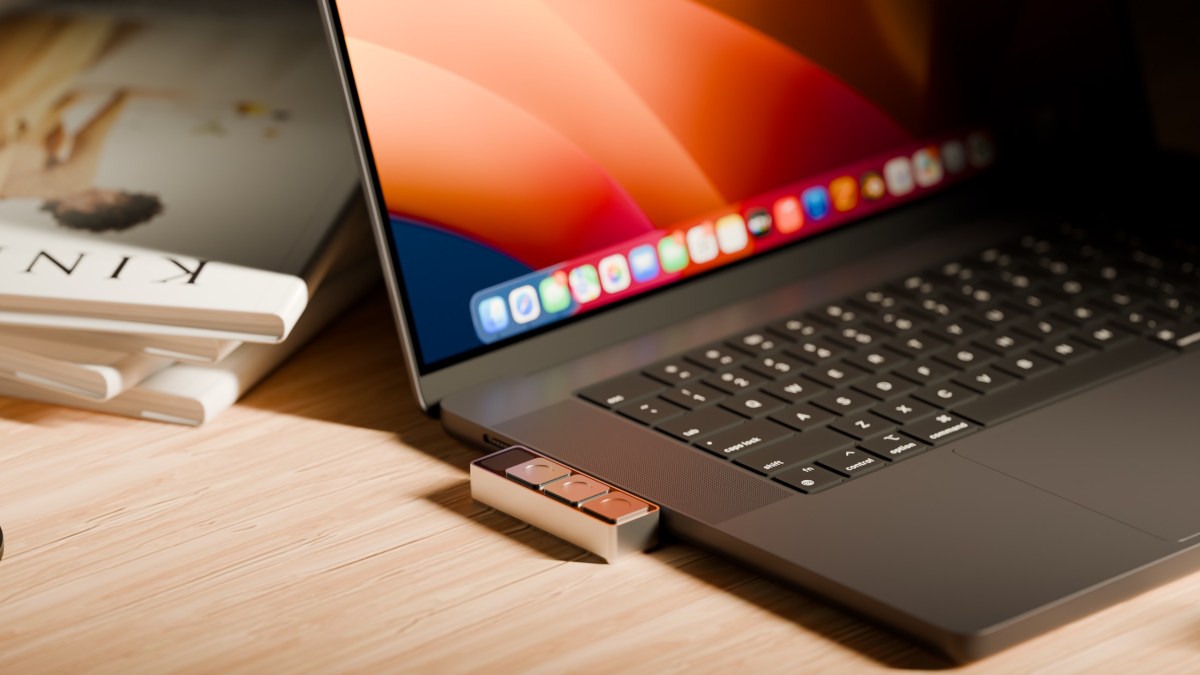
The Dune Keypad: A Dynamic Approach to Device Interaction
In an era where digital workflows are increasingly fragmented across numerous applications, a new device emerges aiming to simplify common tasks: the Dune keypad. This compact gadget, featuring just three physical buttons, distinguishes itself through its context-aware functionality. Unlike single-purpose macro pads or generic shortcut devices, Dune intelligently interprets the user's active application to offer relevant controls. This means the same physical buttons can perform different actions depending on whether you are in a video conference, a code editor, or a creative suite.
The core innovation lies in its dynamic remapping capability. For instance, when interacting with popular meeting platforms like Zoom, Google Meet, or Microsoft Teams, the three buttons are programmed to handle essential controls. The first button might toggle your microphone on and off, the second could manage your video feed, and the third could be configured to bring the meeting window to the forefront of your desktop. This immediate access to critical functions without needing to navigate menus or remember keyboard shortcuts promises a smoother, more efficient meeting experience. It’s akin to having a dedicated remote control for your digital presence, but one that intuitively knows what show you’re watching.
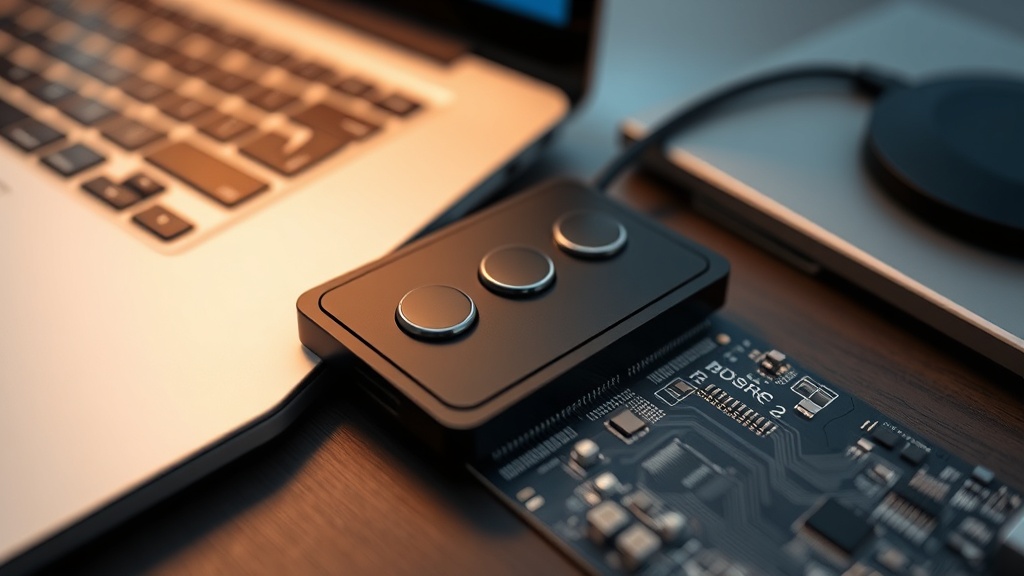
Beyond Meetings: Versatility in Application
While its initial focus appears to be on meeting productivity, Dune’s context-aware design suggests a much broader application landscape. The developers envision the keypad adapting to a wide array of software, transforming it into a versatile tool for professionals across different domains. For developers, the buttons could be mapped to common IDE actions such as compiling code, running tests, or debugging. Imagine hitting a single button to trigger a build process or to step through lines of code without taking your hands off the keyboard for complex shortcuts. This level of integration could significantly reduce cognitive load and accelerate development cycles.
For content creators, the Dune keypad could serve as a simplified control surface for editing software. Tasks like marking in/out points in video editing, adjusting audio levels, or switching between different tools in a graphic design application could be assigned to the buttons. This offers a tactile and immediate way to control complex creative workflows, potentially reducing the need for expensive, specialized hardware. The adaptability means that as new applications gain popularity or as users develop unique workflows, the Dune keypad can be reconfigured to suit their evolving needs. This flexibility is a significant departure from static macro pads that require manual reprogramming for every workflow change.
Technical Underpinnings and User Experience
The functionality of the Dune keypad relies on sophisticated software that monitors the active application and its window title. This allows the device to identify the current context and apply the pre-defined or user-customized button mappings. While the exact technical implementation is not detailed, such systems typically involve background processes that communicate with the operating system to detect foreground applications. The user interface for customization is expected to be intuitive, allowing users to drag and drop actions onto button configurations for specific applications or application families. This approach ensures that the device is accessible to users of all technical skill levels, from those who simply want to mute their mic faster to power users who want to automate complex sequences of actions.
The physical design of the keypad emphasizes simplicity and portability. Its small footprint means it can easily sit on any desk without taking up valuable space, and it is likely designed to be USB-powered, making it plug-and-play for most users. The three-button layout is deliberate, focusing on essential, frequently used actions rather than attempting to replicate a full keyboard or a complex control panel. This minimalist approach reduces the learning curve and ensures that the most common tasks are always within easy reach. The tactile nature of physical buttons also provides a satisfying and reliable feedback mechanism, which is often lost with touch-screen interfaces.
The Future of Contextual Peripherals
The Dune keypad represents a growing trend in personalized computing peripherals that aim to enhance productivity by reducing friction in digital workflows. As software becomes more specialized and complex, the need for intuitive, application-specific control surfaces will likely increase. Devices like Dune, which can adapt their function to the user's immediate task, offer a compelling solution. They bridge the gap between generic input devices and highly specialized hardware, providing a middle ground that caters to a broad range of professional needs. The success of such a device hinges on its ability to reliably detect application contexts and offer meaningful, customizable shortcuts that genuinely save users time and effort. What nobody has addressed yet is the potential for these devices to become a security vector, if the software monitoring application context is compromised.
Competitors in the macro pad and shortcut device market typically offer static layouts or require extensive manual configuration. Dune's adaptive nature positions it as a more intelligent and user-friendly alternative, particularly for individuals who frequently switch between different types of software throughout their workday. If Dune can deliver on its promise of seamless, context-aware control across a wide range of applications, it could become an indispensable tool for many professionals seeking to optimize their digital workspaces.