The Invisible Backbone of the Internet
The Domain Name System (DNS) is the internet's silent workhorse. For most users, it operates entirely in the background, a crucial yet often overlooked component that translates human-readable domain names (like example.com) into machine-readable IP addresses (like 192.0.2.1). Without DNS, the internet as we know it would cease to function. Every website visit, email sent, or app connection relies on this fundamental translation service. Think of it as the internet's master directory, a critical piece of infrastructure that underpins global digital communication.
When you type a URL into your browser, your device queries a DNS resolver. This resolver then traverses a hierarchy of DNS servers – root servers, Top-Level Domain (TLD) servers, and authoritative name servers – to find the correct IP address associated with that domain. This process, though complex, is typically completed in milliseconds. The DNS infrastructure is a distributed, hierarchical system designed for resilience and speed. However, its very ubiquity and criticality make it a prime target and a single point of failure if compromised or disrupted.
Understanding DNS is not just about how names resolve. It is about grasping how the internet organizes digital identity, routes trust, manages security, and maintains stability across billions of devices. The system has evolved significantly since its inception, incorporating security extensions like DNSSEC to combat spoofing and other attacks. Yet, its fundamental design, built decades ago, faces modern challenges related to scale, speed, and an ever-increasing threat landscape.
Consequences of a DNS Failure
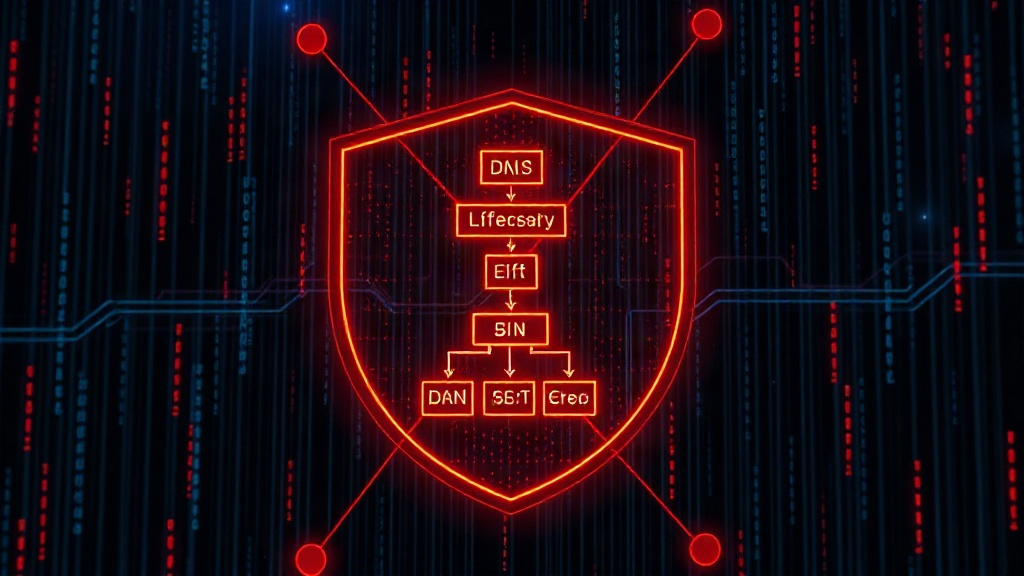
A widespread DNS failure would have catastrophic consequences, effectively rendering the internet unusable for most practical purposes. Users would be unable to access websites, send or receive emails, use online services, or connect to any network resources that rely on domain name resolution. This isn't just about inconvenience; it translates to a complete shutdown of digital commerce, communication, and critical infrastructure that has become dependent on the internet.
Imagine trying to navigate a city without street signs or a map. That's what a DNS failure would be like for the internet. Every attempt to reach a destination would fail because the system responsible for providing directions is broken. This would immediately impact businesses that rely on online sales, financial institutions that process transactions digitally, governments that provide online services, and individuals who depend on the internet for communication and information.
The cascading effects would be profound. Online advertising would cease, impacting revenue streams for countless publishers. Cloud services would become inaccessible, shutting down applications and data storage for businesses and individuals alike. Real-time communication tools, from video conferencing to instant messaging, would fail. Even services that appear to be offline-first might require DNS for initial connection or updates, leading to unexpected failures.
Vulnerabilities and Attack Vectors
The DNS infrastructure, despite its critical role, is susceptible to various vulnerabilities. One primary concern is DNS cache poisoning, where an attacker injects false information into a DNS resolver's cache, redirecting users to malicious websites. This can be used for phishing attacks, distributing malware, or conducting man-in-the-middle attacks. Attackers exploit weaknesses in the DNS protocol or its implementation to trick resolvers into accepting forged responses.
Another significant threat is Distributed Denial of Service (DDoS) attacks targeting DNS servers themselves. By overwhelming DNS servers with traffic, attackers can prevent legitimate queries from being processed, leading to service outages. DNS amplification attacks, a specific type of DDoS, leverage the fact that DNS responses can be larger than the original queries, allowing attackers to magnify the volume of traffic sent to their targets. These attacks can cripple the DNS infrastructure, impacting a vast number of users and services.
Furthermore, the hierarchical nature of DNS, while offering some resilience, also presents single points of failure. Compromising critical root servers or TLD name servers could have far-reaching implications. While these high-level servers are heavily protected, the sheer number of authoritative name servers for individual domains creates a larger attack surface. The security of the DNS depends on the integrity and availability of every component in this distributed system.
Mitigation and Future-Proofing
Protecting the DNS requires a multi-layered approach. Implementing DNSSEC (Domain Name System Security Extensions) is crucial. DNSSEC adds cryptographic signatures to DNS data, allowing resolvers to verify the authenticity and integrity of the data they receive, thus preventing cache poisoning and spoofing. Widespread adoption and proper implementation of DNSSEC across the internet is an ongoing effort.
For organizations operating their own DNS infrastructure, robust security practices are paramount. This includes regular software updates to patch known vulnerabilities, implementing rate limiting on DNS queries, using strong access controls, and deploying DDoS mitigation services. Network segmentation and monitoring can also help detect and respond to attacks more effectively. Employing redundant DNS servers and geographically distributed infrastructure can improve resilience against localized failures or attacks.
The development of newer DNS protocols and technologies, such as DNS-over-HTTPS (DoH) and DNS-over-TLS (DoT), aims to enhance privacy and security by encrypting DNS queries. While these primarily address user privacy and protection from eavesdropping, they can also contribute to a more secure overall ecosystem by making DNS traffic harder to intercept and manipulate. The future of DNS security lies in continuous vigilance, protocol enhancements, and universal adoption of best practices by all stakeholders, from domain registrars to end-users.