%22%20%2F%3E%0A%20%20%3C%2Fsvg%3E)
The High Cost of Bowling Automation
Bowling centers, like many entertainment venues, rely on sophisticated systems to manage everything from lane scoring to customer reservations. Traditionally, these systems are proprietary, expensive, and often require specialized technicians for maintenance and upgrades. One such system at a bowling center cost a staggering $120,000. This price tag reflects not just the hardware, but also the software development, integration, and ongoing support contracts typical of commercial-grade automation solutions. For a single bowling alley, this represents a significant capital investment, often amortized over many years.
The core components of such a system typically include networked terminals for scorekeeping, lane control units, central servers for data aggregation, and potentially customer-facing interfaces for booking and payment. These are often designed for high reliability and specific industrial environments, which drives up their manufacturing and development costs. Furthermore, the vendor lock-in associated with these systems means that operators are beholden to the original provider for any modifications, repairs, or software updates, often at premium rates.
This is precisely the situation faced by the creator of a recent "Show HN" post on Hacker News. Frustrated by the exorbitant cost and inflexibility of their existing bowling center management system, they embarked on an ambitious project: to replace the entire $120,000 setup with a custom solution built around inexpensive, readily available microcontrollers. The result? A fully functional system costing approximately $1,600, demonstrating a dramatic 98.6% cost reduction.
The ESP32 Solution: A Deep Dive
The heart of this DIY replacement system is the ESP32 microcontroller. Known for its integrated Wi-Fi and Bluetooth capabilities, dual-core processor, and low cost, the ESP32 is a popular choice for hobbyists and professional engineers alike looking to build connected devices. The project leveraged multiple ESP32 units to replicate the functionality of the original commercial system.
The original system's components, such as the score displays and lane controllers, were likely complex, custom-built assemblies. The DIY approach involved reverse-engineering the communication protocols and electrical interfaces of these components. For the score displays, the ESP32 units were programmed to interpret game data and drive the display elements, effectively acting as intelligent controllers for each lane's scoring interface. This involved interfacing directly with the display hardware, potentially using serial communication, SPI, or parallel interfaces, depending on the original display technology.
For lane control, the ESP32s managed the physical mechanisms of the bowling lanes. This could include controlling the ball return, setting up the pins, and detecting when a game was complete. The real-time processing power of the ESP32, combined with its robust I/O capabilities, made it suitable for these critical, time-sensitive operations. The project likely involved custom-designed PCBs (Printed Circuit Boards) to house the ESP32s and their associated circuitry, such as power regulation, sensor interfaces, and output drivers for motors and solenoids.
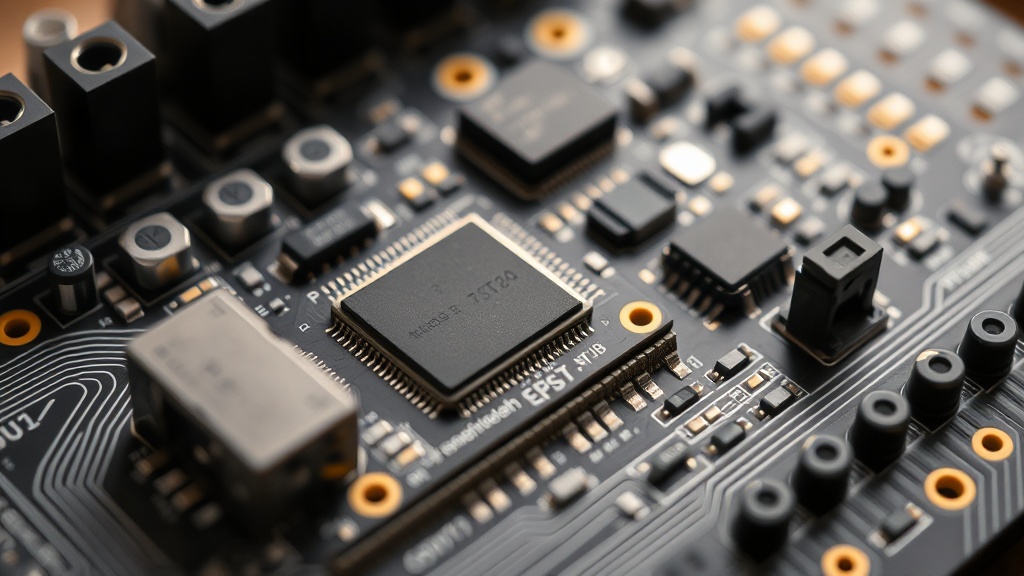
Network communication was a key aspect. The ESP32's built-in Wi-Fi allowed the individual lane controllers to communicate with a central server or a distributed network. This enabled real-time score updates, game state management, and potentially remote monitoring and diagnostics. The choice of ESP32 simplified the networking aspect significantly, as it eliminated the need for external Wi-Fi modules or complex network stacks.
Reverse Engineering and Software Challenges
Replacing a commercial system of this magnitude is not merely a hardware challenge. The software that runs on these systems is complex, managing game logic, user accounts, payment processing, and integration with other venue management software. The creator had to meticulously reverse-engineer the proprietary software and communication protocols of the original system. This likely involved network traffic analysis, firmware extraction (if possible), and extensive trial-and-error to understand how the original components interacted.
Developing the custom firmware for the ESP32s was a significant undertaking. This firmware had to not only control the hardware but also implement the game logic, network communication, and error handling that the original system provided. Given the cost constraints, open-source libraries and frameworks were likely heavily utilized. For instance, a lightweight web server could be implemented on the ESP32 to provide a status interface, or MQTT could be used for efficient message queuing between controllers and a central point.
The surprising detail here is not just the cost savings, but the sheer feasibility of replicating such a specialized system with off-the-shelf components. While many engineers might dream of such a project, the dedication required to see it through, from initial analysis to final implementation, is immense. The creator had to essentially become an expert in the original system's inner workings, its hardware interfaces, and its software logic, all while designing and building their own solution.
Implications for Industrial Automation
This project serves as a powerful case study for the potential of DIY solutions in specialized industrial and commercial automation. The $120,000 figure for the original system highlights a common issue: proprietary solutions often carry a substantial premium that is not directly tied to their functional value. This premium covers R&D, support, and vendor profit margins, but it can price out smaller operators or limit their ability to innovate.
The success of this ESP32-based system suggests that for many applications, particularly those where a high degree of customization is desired or where off-the-shelf components can be adapted, a significant cost reduction is achievable. This democratizes access to sophisticated automation. It empowers individuals and smaller businesses to build tailored solutions that meet their specific needs without incurring prohibitive costs. The skills required—embedded programming, hardware interfacing, and network communication—are increasingly accessible through online resources and affordable development boards.
However, it's crucial to consider the trade-offs. While the initial cost is drastically lower, the DIY approach requires significant time investment from the engineer. Maintenance and future upgrades also fall entirely on the creator, demanding ongoing technical expertise. For a commercial operation, this dependency on a single individual can be a risk. What happens if the creator is no longer available to maintain or update the system? This is a question that any business considering such a radical shift must carefully evaluate.
Despite these considerations, the project underscores a broader trend: the increasing power and accessibility of microcontrollers and single-board computers are blurring the lines between hobbyist projects and professional industrial solutions. It forces a re-evaluation of what constitutes value in commercial automation, suggesting that flexibility, open standards, and lower total cost of ownership might be more desirable than the perceived reliability of closed, expensive proprietary systems.
If you manage a facility with aging or expensive proprietary automation, this project offers a compelling blueprint for exploring alternatives. It proves that with ingenuity and the right low-cost hardware, a significant portion of the cost associated with specialized systems can be reclaimed, opening doors to greater operational efficiency and customizability.