The Enthusiast's Couch PC: A Retrofitted Vision
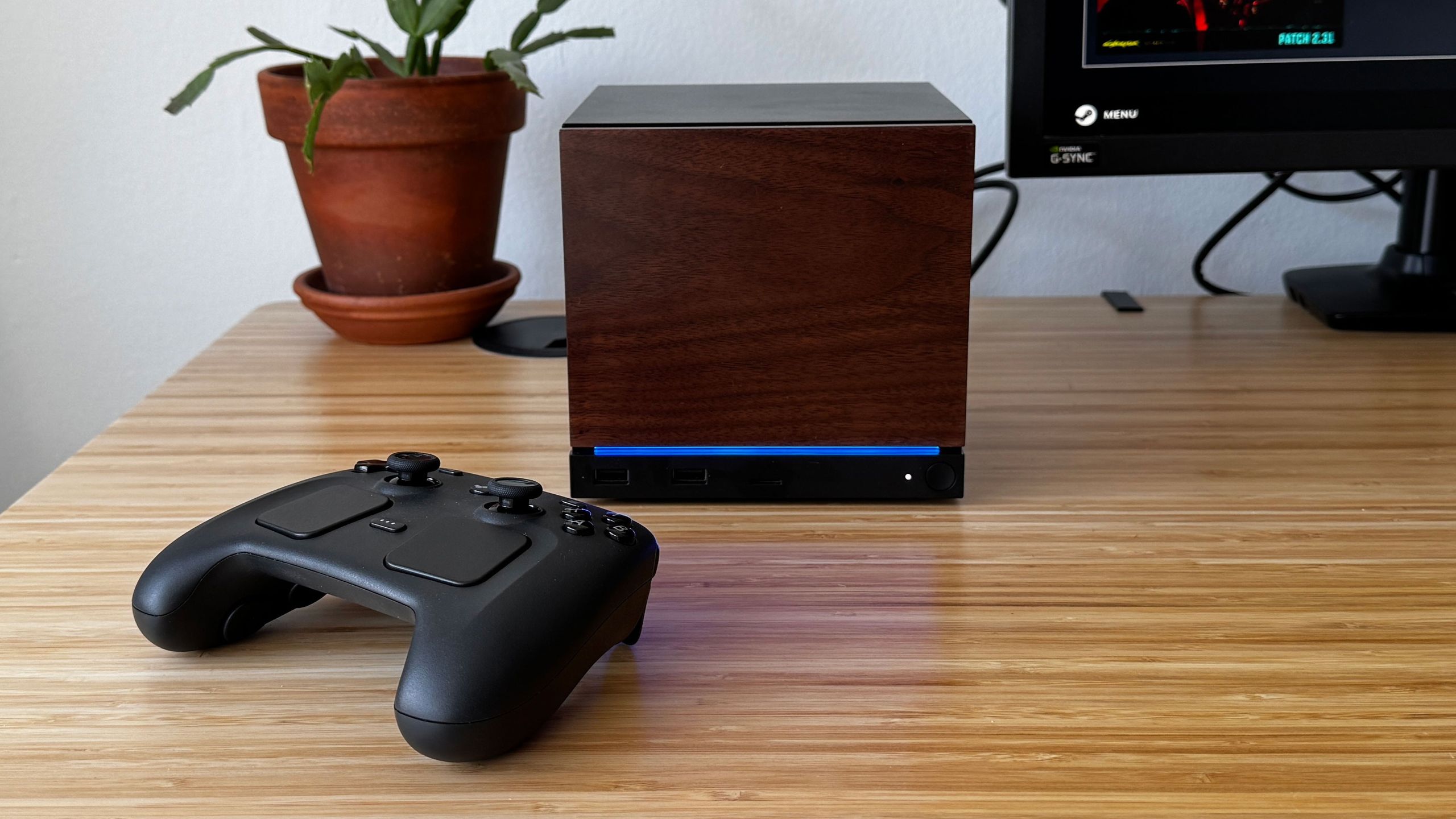
Valve's Steam Deck has undeniably reshaped the landscape of portable PC gaming, offering a powerful handheld experience. However, for some enthusiasts, the allure of a dedicated, custom-built couch PC remains unmatched. One such individual has taken this philosophy to an extreme, crafting what they describe as the ultimate Steam Machine experience without a Steam Machine, by leveraging a long-forgotten technology: cables. This setup eschews Valve's latest hardware in favor of a meticulously configured existing PC, a 50-foot fiber optic HDMI cable, and the Steam Controller 2, all running on the Bazzite operating system.
The core of this project lies in transforming a standard desktop PC into a seamless living room gaming hub. This isn't about a new, dedicated console but about maximizing the potential of existing, powerful hardware. The choice of a 50-foot fiber optic HDMI cable is particularly telling. It signifies a commitment to a high-fidelity, lag-free connection over significant distances, a practical consideration for many home entertainment setups where the PC might be housed in a closet or a different room from the television. Fiber optic cables, unlike their copper counterparts, are less susceptible to electromagnetic interference and signal degradation over long runs, making them ideal for maintaining pristine video and audio quality. This deliberate choice highlights a focus on performance and user experience, prioritizing a robust physical connection that ensures a consistent gaming session.
The Power of Bazzite and the Steam Controller 2
Complementing the robust physical connection is the software and input strategy. The Bazzite operating system is a key component, known for its optimization for gaming on Linux, particularly for Steam. Bazzite aims to provide a streamlined, console-like experience for PC gaming, integrating Steam, Proton, and other gaming-related tools in a user-friendly manner. By building upon a Linux base, Bazzite offers flexibility and performance that can be tailored precisely to the user's needs, a stark contrast to the more standardized, closed-off nature of a traditional console.
The inclusion of the Steam Controller 2 is another significant element. While Valve has largely moved on from its original Steam Controller, the Steam Controller 2 (a community-developed successor) offers a unique input method that many enthusiasts still prefer. Its dual trackpads, haptic feedback, and customizable button layout provide a level of control that can mimic both traditional gamepad and mouse-and-keyboard inputs, making it versatile for a wide range of PC games, from fast-paced shooters to complex strategy titles. This choice signals a preference for a highly configurable and familiar input device over more conventional controllers or the integrated controls of a handheld like the Steam Deck.
Why Not a Steam Deck? The Case for a Dedicated Couch PC
The decision to build this custom setup over purchasing a Steam Deck or a Steam Machine is rooted in several factors. Firstly, existing PC hardware often boasts superior processing power and graphical capabilities compared to dedicated handhelds, allowing for higher resolutions, frame rates, and graphical settings. By repurposing a powerful PC, this enthusiast ensures they are not compromising on visual fidelity or performance for their couch gaming experience. Secondly, the flexibility of a PC-based system is unparalleled. Users can install any game from any platform, run emulators, stream media, and perform any other task a desktop computer is capable of, all from the comfort of their couch. This versatility is something a dedicated gaming console, even one as capable as the Steam Deck, cannot fully replicate.
The 50-foot cable, in particular, addresses a common pain point for couch PC gamers: the physical distance between the gaming rig and the display. Traditional HDMI cables can suffer from signal loss or require active boosting over such lengths, leading to visual artifacts or input lag. Fiber optic HDMI bypasses these limitations, offering a clean, stable signal that is crucial for an immersive gaming experience. This is less about a new piece of cutting-edge tech and more about a pragmatic, albeit extreme, solution to a long-standing challenge in home theater PC setups. It’s a testament to the idea that sometimes, the best solution involves a well-executed application of existing, high-quality components rather than a single, all-in-one device.
The enthusiast's approach is a direct refutation of the trend towards increasingly integrated and portable gaming devices. It champions a philosophy where performance, customization, and a dedicated living room experience are paramount. This isn't just about playing games; it's about crafting a personalized entertainment ecosystem where every component, from the operating system to the length of the HDMI cable, is chosen to deliver the optimal experience. It’s a powerful reminder that the DIY spirit in PC gaming is far from dead, and that even with the advent of impressive new hardware, there is still significant value in building and customizing your own ultimate gaming machine.