The RAM Price Spike and a Nostalgic Solution
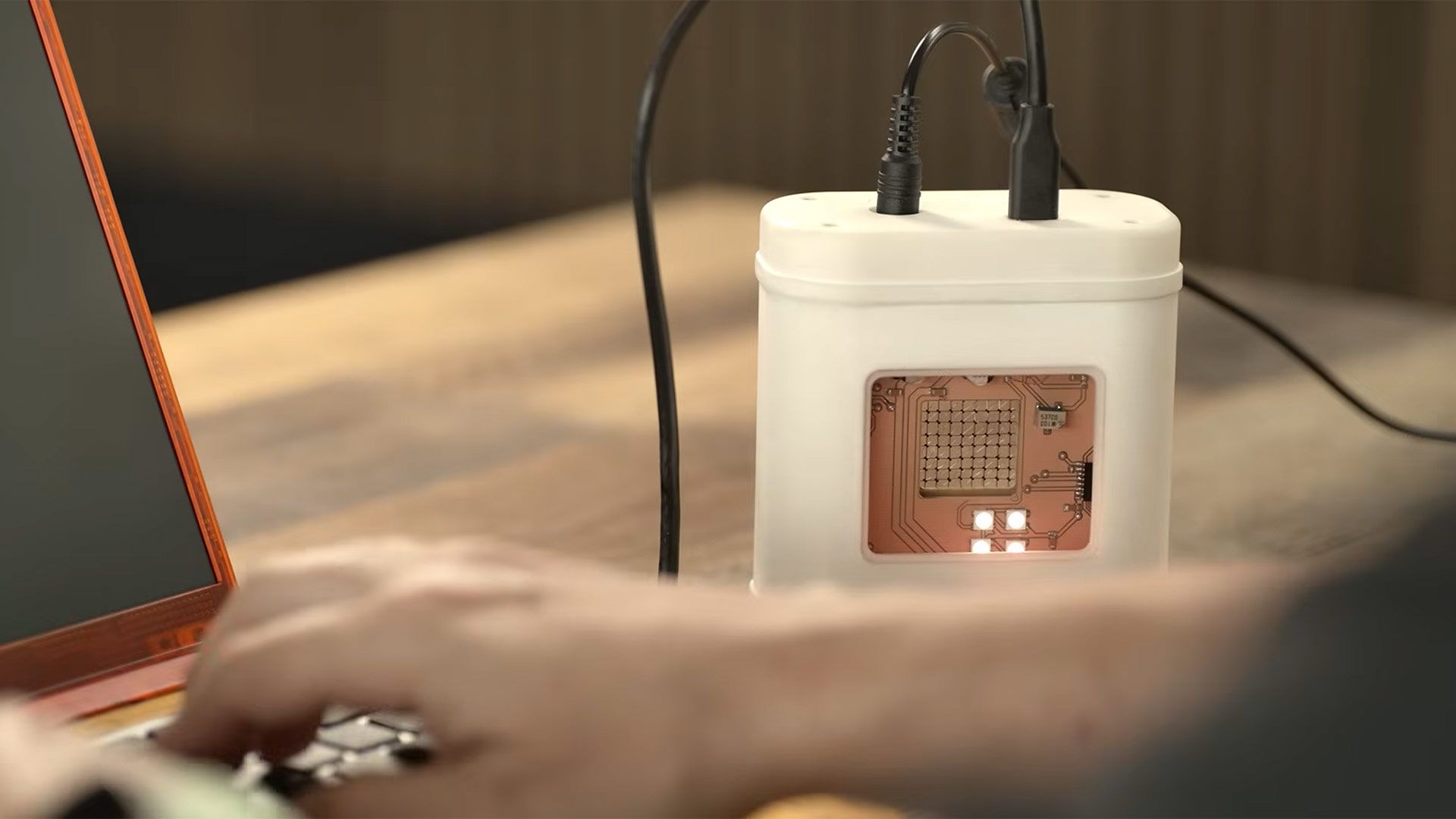
The escalating cost of modern Random Access Memory (RAM), often dubbed the 'RAMpocalypse,' has pushed some enthusiasts to explore unconventional solutions. For one DIYer, this price surge wasn't just a frustration; it was an inspiration to delve into computing's past. The result is a functional USB drive that incorporates hand-threaded magnetic core memory, a technology reminiscent of the Apollo era. This project, detailed by a maker who prefers anonymity, showcases a blend of historical engineering and modern fabrication techniques, including 3D printing and CNC machining.
While the project's aesthetic and nostalgic appeal are undeniable, it's crucial to understand its practical limitations. The magnetic core memory module integrated into this USB drive boasts a minuscule capacity of just 64 bits. This means it's not a viable alternative for modern data storage needs, which are measured in gigabytes or terabytes. Instead, it serves as a fascinating demonstration of how core memory worked and a testament to the ingenuity of early computer engineers, reimagined with contemporary tools.
Understanding Magnetic Core Memory
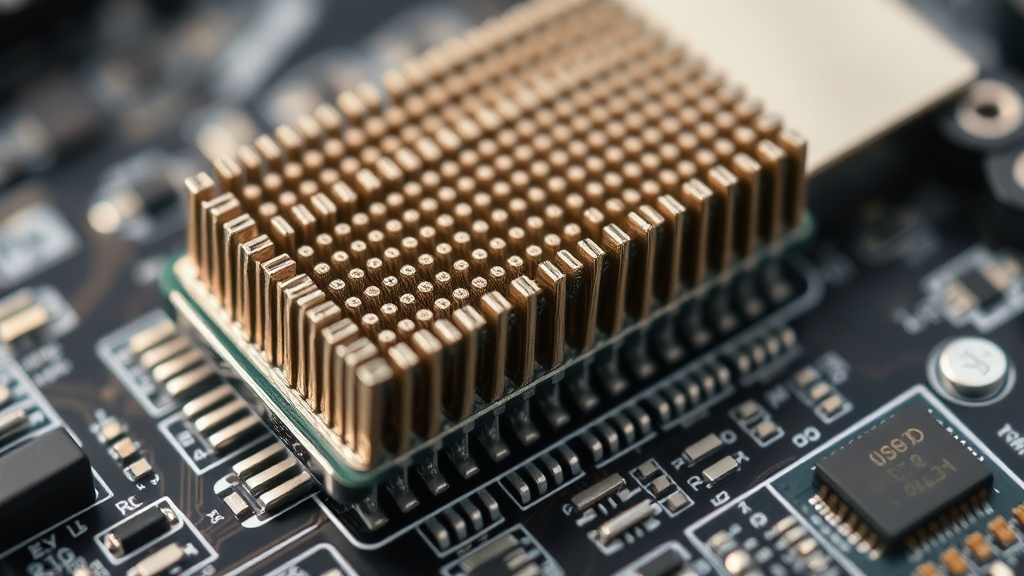
Magnetic core memory was the dominant form of RAM from the late 1950s through the mid-1970s. It functioned by using small, toroidal rings made of ferrite material, each capable of storing a single bit of data. These rings were threaded onto a grid of wires. Each ring had two wires passing through its center: a drive wire and a sense wire. By passing current through the drive wire in one direction, the magnetic state of the ferrite ring could be set to represent a '1' or a '0'. A second drive wire (or sometimes a third, the inhibit wire) could be used to write data, and the sense wire would detect the magnetic state when a current pulse was applied.
Reading data involved sending a current pulse through the drive wire. If the core was in one state (e.g., '1'), it would flip its magnetic orientation, inducing a current in the sense wire. If it was in the other state ('0'), it would not flip, and no current would be induced. This process was destructive; reading the data erased it, requiring the data to be written back immediately if it needed to be retained. This read-modify-write cycle was a fundamental characteristic of core memory systems.
The construction of these memory arrays was labor-intensive. Skilled technicians, often women, would meticulously hand-thread thousands, or even millions, of tiny ferrite cores onto a grid of fine wires. The precision required was immense, as a single misplaced thread could render a section of memory inoperable. This hands-on manufacturing process is a stark contrast to the automated, microscopic fabrication of modern silicon-based RAM chips.
Salvaged Russian Components and Modern Fabrication
The core of this unique USB drive project is a salvaged magnetic core memory module. The maker sourced this module from an old Russian computer system, likely from the Soviet era. These systems, while technologically dated by today's standards, were built with robust, often over-engineered components designed for longevity and reliability. The magnetic core memory itself is the most visually striking element, with its intricate weave of wires and tiny ferrite rings.
To interface this ancient memory with a modern computer, the maker employed contemporary fabrication methods. A custom circuit board was designed to manage the reading and writing of data to the core memory module. This board would translate the USB protocol commands into the specific electrical signals required by the magnetic core array. Furthermore, the housing for the USB drive was created using a combination of 3D printing and CNC machining. This allowed for precise fitting of the salvaged memory module, the custom electronics, and the USB connector, resulting in a polished, functional enclosure that respects the historical components within.
The '64-Bit' Reality: A Novelty, Not a Replacement
It is essential to reiterate the capacity of this magnetic core memory module: 64 bits. For context, a single byte consists of 8 bits. Therefore, this module stores the equivalent of just 8 bytes. Modern USB drives typically offer capacities ranging from 32 gigabytes (32 billion bytes) to several terabytes. Even the smallest microcontrollers today have kilobytes or megabytes of RAM.
The project's significance lies not in its storage capacity but in its educational and artistic value. It serves as a tangible link to a pivotal era in computing history. The maker's ability to integrate this relic into a modern USB interface highlights a deep understanding of both historical and contemporary electronics. It's a piece of functional art, a conversation starter, and a powerful reminder of the technological leaps made in a relatively short period.
The decision to build this project was directly influenced by current market conditions for RAM. While this specific implementation cannot alleviate the shortage of gigabytes for AI training or gaming, it represents a broader trend of makers and engineers looking to historical technologies for inspiration, understanding, and sometimes, even for practical, albeit niche, applications. It prompts reflection on the evolution of data storage and the enduring principles that underpin digital technology.
Broader Implications and the Future of Retro-Tech
This project, while personal and limited in capacity, taps into a growing interest in retro computing and the repurposing of older hardware. As the digital landscape evolves at breakneck speed, there's a parallel movement to preserve, understand, and even revive older technologies. This isn't just about nostalgia; it's about appreciating the foundational engineering, learning from past design choices, and sometimes discovering that older methods still hold value, particularly for specific, low-data-throughput applications or for educational purposes.
The maker's approach—combining salvaged components with modern fabrication tools like 3D printers and CNC machines—is a powerful model for future retro-tech projects. It democratizes the ability to work with vintage hardware, which was once the domain of specialists with access to rare parts and industrial equipment. Now, with accessible digital fabrication, enthusiasts can create custom enclosures, interface boards, and adapt legacy components to modern systems in ways previously unimaginable.
What remains to be seen is whether this spirit of retro-tech integration will extend beyond novelty projects. Could there be niche applications for core memory or other historical storage technologies in specialized, low-power, or highly secure environments where their inherent properties (like non-volatility or resistance to certain types of interference) might offer an advantage? For now, this magnetic core USB drive stands as a brilliant, albeit small, testament to the enduring legacy of computing's past and the boundless creativity of its future engineers.