The Promise and Failure of 'You Build It, You Run It'
The original vision of DevOps was to dismantle the silos between development and operations teams. The core tenet was straightforward: 'You build it, you run it.' Developers were expected not only to write code but also to craft Dockerfiles, define Terraform configurations, and manage Kubernetes deployments. This approach aimed to foster ownership and accelerate delivery.
However, this model proved unsustainable at scale. Developers found themselves mired in what is now termed 'cognitive overload.' Instead of focusing on feature development and business value, senior engineers were dedicating up to 40% of their time to debugging complex Helm charts, wrestling with Identity and Access Management (IAM) policies, and navigating the intricacies of infrastructure provisioning. The sheer breadth of expertise required—from application logic to cloud-native infrastructure management—became an insurmountable hurdle, leading to burnout and reduced productivity. The 'You build it, you run it' paradigm, while well-intentioned, has demonstrably failed to deliver on its promise in real-world, large-scale environments.
Introducing Platform Engineering and Internal Developer Platforms (IDPs)
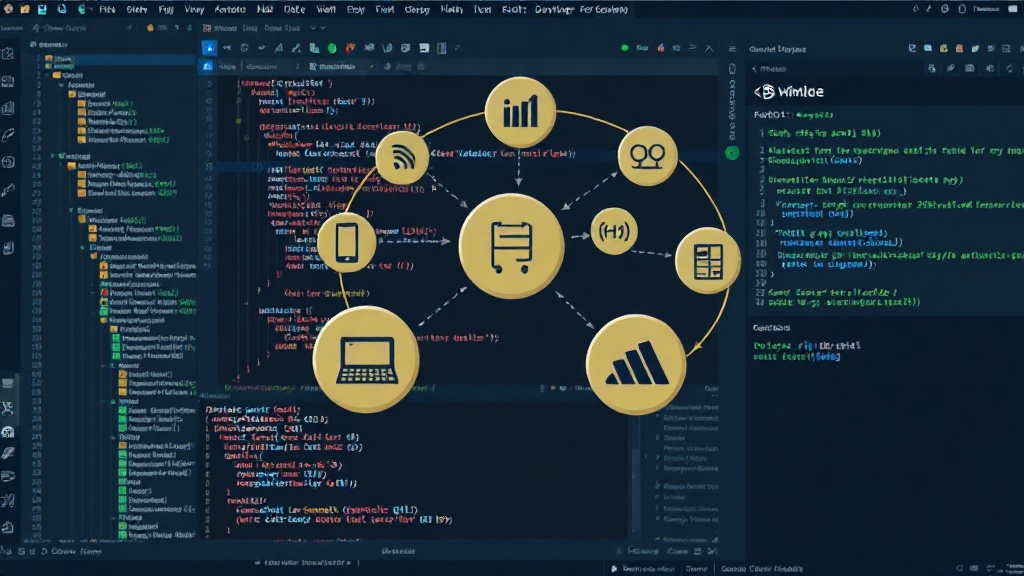
Platform Engineering emerges as the logical evolution of DevOps, designed to address its shortcomings. Instead of burdening developers with the responsibility of becoming infrastructure experts, Platform Engineering adopts a customer-centric approach. Platform Engineers view development teams as their primary customers. Their mission is to build and maintain an Internal Developer Platform (IDP).
An IDP acts as a curated, self-service experience for developers. It abstracts away the underlying infrastructure complexity, providing developers with ready-to-use tools, services, and workflows. This platform is built upon well-defined 'Golden Paths'—opinionated, best-practice workflows for common development tasks such as building, testing, deploying, and monitoring applications. These paths ensure consistency, security, and compliance by default, while still offering flexibility where needed.
The key difference lies in the responsibility model. With Platform Engineering, the platform team is responsible for the infrastructure's reliability, scalability, and security. Developers consume these capabilities through a streamlined interface, allowing them to concentrate on writing code and delivering business value. This shift reduces cognitive load, accelerates development cycles, and improves the overall developer experience. It's less about developers becoming ops experts and more about operations experts building a developer-friendly platform.
What Constitutes an Effective Internal Developer Platform?
An effective IDP is more than just a collection of tools; it’s an integrated system designed to enhance developer velocity and operational efficiency. Key components typically include:
- Service Catalog: A central registry of all available services, infrastructure components, and templates. This allows developers to easily discover and provision resources.
- CI/CD Pipelines: Pre-configured, automated pipelines for building, testing, and deploying applications. These pipelines enforce standards and best practices.
- Infrastructure as Code (IaC) Abstractions: Developers interact with simplified interfaces for provisioning infrastructure, abstracting away the complexities of tools like Terraform or Kubernetes manifests.
- Observability Tools: Integrated logging, monitoring, and tracing capabilities that provide developers with insights into their application's performance and health.
- Security and Compliance Guardrails: Built-in security checks, policy enforcement, and compliance tooling that ensure applications meet organizational standards from the outset.
- Self-Service Portal: A user-friendly interface, often web-based, where developers can access all platform capabilities, documentation, and support resources.
The goal is to provide a seamless developer experience that feels akin to using a public cloud provider's managed services, but within the organization's own environment. This allows companies to leverage the benefits of cloud-native architectures without forcing every developer to become a cloud infrastructure expert.
The Shift in Roles and Responsibilities
The rise of Platform Engineering necessitates a redefinition of roles. Traditional DevOps engineers may transition into Platform Engineering roles, focusing on building and maintaining the IDP. This requires a different skillset, emphasizing internal product management, API design, and user experience for developers. The focus shifts from reactive troubleshooting to proactive platform development.
For developers, the change is liberating. They regain the freedom to focus on their core competencies: software design and implementation. The cognitive overhead associated with managing infrastructure is significantly reduced, allowing them to deliver features faster and with greater confidence. This also leads to improved job satisfaction, as developers are empowered to do what they do best without being bogged down by operational complexities.
The success of Platform Engineering hinges on treating developers as customers. This means understanding their workflows, pain points, and needs. It requires continuous feedback loops and iterative improvements to the IDP. When done correctly, it fosters a more collaborative and efficient environment, ultimately driving business innovation.
Beyond DevOps: The Future of Software Delivery
The journey from traditional DevOps to Platform Engineering signifies a maturing understanding of the challenges in modern software development. As systems become more complex and the pace of innovation accelerates, the need for specialized, yet integrated, tooling and platforms becomes paramount. Platform Engineering, powered by robust IDPs, offers a path forward, enabling organizations to achieve the agility and efficiency promised by DevOps without the associated cognitive burden on individual developers.
This evolution is not about abandoning the principles of DevOps—collaboration, automation, and continuous improvement remain critical. Instead, it's about adapting those principles to the realities of modern, large-scale software development. By centralizing infrastructure expertise within platform teams and providing developers with self-service access to curated, reliable infrastructure, organizations can unlock new levels of productivity and innovation. The death of traditional DevOps is not a failure, but a necessary transformation towards a more sustainable and effective model for software delivery.