From DNA Storage Dreams to Database Reality
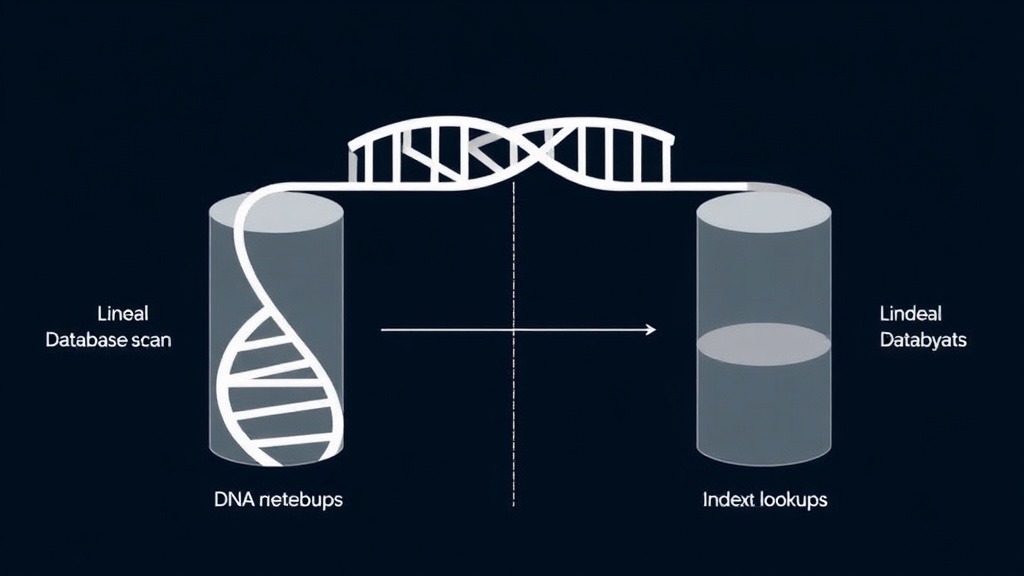
What began as a speculative deep dive into DNA storage concepts by developer Alexey Shevtsov quickly pivoted when the inherent limitations of biological data archiving clashed with the demands of active application databases. Shevtsov, initially inspired by the immense information density of DNA and the idea of a self-optimizing, living database system, spent a few days prototyping algorithms. The vision was ambitious: a database where the schema acted as genetic code, queries were biological signals, and indexes dynamically adapted like biological systems responding to environmental pressures.
However, the reality of DNA storage, as Shevtsov soon realized, is primarily rooted in archival. The process involves writing and reading physical DNA molecules, a method far too slow and complex for the high-throughput, low-latency requirements of everyday applications. This fundamental mismatch between archival and transactional data needs quickly became apparent, steering the project away from its biological origins.
The Unexpected Pivot: Index Analysis for PostgreSQL
The core of Shevtsov's accidental discovery lies in the unexpected utility of his experimental algorithms when applied to PostgreSQL. While not an expert in the database system, he was working on an algorithmic trading system and encountered performance challenges. His initial exploration into DNA-inspired data structures involved creating methods to analyze and potentially optimize how data was organized and accessed. When he turned this analytical lens towards PostgreSQL, he found that his work could effectively probe and report on the state of database indexes.
PostgreSQL indexes are crucial for query performance. They function much like the index at the back of a book, allowing the database to quickly locate specific rows without scanning the entire table. However, poorly designed or outdated indexes can become performance bottlenecks. Shevtsov's experimental code, stripped of its biological analogies, proved adept at examining these indexes, identifying inefficiencies, and providing actionable insights.
Think of it less like a biological system and more like a highly observant librarian. This librarian doesn't just tell you where a book is; they also notice if too many books are crammed onto one shelf, if some shelves are rarely used, or if a new popular book needs its own dedicated, easily accessible spot. Shevtsov's tool acts as this librarian for PostgreSQL's data shelves (indexes).
From Experiment to Utility: The `pg_index_checker`
The result of this unexpected turn is a tool that Shevtsov has dubbed `pg_index_checker`. This utility aims to provide a clear, concise overview of the health and efficiency of PostgreSQL indexes. It goes beyond simply listing indexes; it analyzes their usage patterns, identifies redundant or unused indexes, and flags potential issues that could be impacting query performance. For developers and database administrators, this offers a proactive way to maintain database health and optimize performance without deep manual inspection.
The tool's development was organic. Shevtsov wasn't setting out to build a new database performance tool. He was exploring a fascinating concept in data storage. The transition highlights a common theme in software development: sometimes, the most valuable innovations emerge not from direct problem-solving, but from the exploration of tangential ideas. The initial goal of mimicking DNA's density and self-organization was too ambitious and impractical for a transactional database. However, the algorithmic thinking and data analysis techniques developed during that phase found a practical, immediate application in a widely used database system.
Why This Matters for Developers and DBAs
The `pg_index_checker` emerges at a critical time for many organizations. As applications scale and data volumes grow, database performance becomes a significant factor in user experience and operational costs. Manual index tuning can be a time-consuming and error-prone process. Tools that automate or significantly simplify this analysis are invaluable.
Shevtsov's work provides a concrete example of how abstract computer science concepts, even those seemingly distant from practical application like DNA storage, can inspire practical tools. The underlying algorithms for analyzing data density and access patterns are transferable. In this case, they were successfully repurposed to analyze the efficacy of PostgreSQL's indexing strategies.
The surprising detail here is not the complexity of the tool itself, but its origin. It wasn't born from a direct need to fix PostgreSQL performance, but as a byproduct of exploring an entirely different domain. This serendipitous discovery underscores the value of cross-disciplinary thinking and experimentation in software engineering. The challenge now is to see how widely this tool will be adopted and whether its underlying principles can be applied to other database systems or data management challenges.
For developers working with PostgreSQL, this tool represents a potential shortcut to identifying and resolving performance issues related to indexing. It encourages a more data-driven approach to database optimization, moving beyond guesswork and into empirical analysis. The project serves as a reminder that innovation often lies just beyond the intended path of exploration.