The Genesis of SecURL: A Developer's Frustration
Six months ago, a developer, frustrated by fragmented web security tools, embarked on a personal project. The existing landscape offered a piecemeal approach: some tools checked HTTP security headers, others focused solely on TLS configurations, and many provided jargon-filled reports or narrowly focused results. This developer envisioned a single, comprehensive solution that could scan a URL and deliver a holistic security assessment, prioritizing actionable fixes.
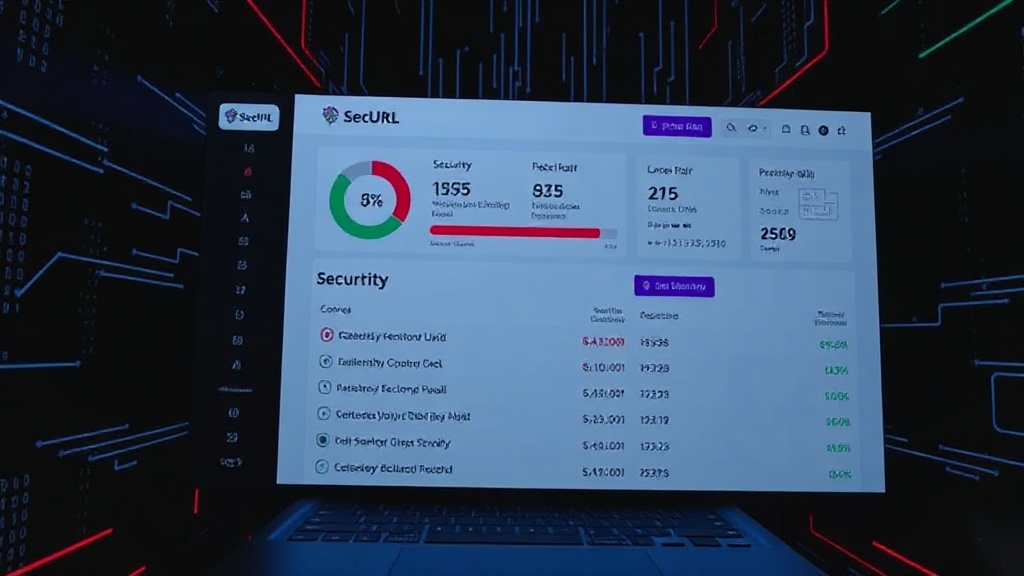
The result was SecURL. This scanner was designed to go beyond the basics, evaluating HTTP security headers, TLS configuration, DMARC, SPF, DKIM, DNSSEC, third-party script exposure, cookie flags, redirect chains, and more. The goal was to provide a clear A to F grade for each site, alongside a prioritized list of findings ranked by severity, complete with references to OWASP best practices. The initial concept promised a simple user experience: paste a URL, and receive a detailed report in approximately 30 seconds.
From Functional Code to Launched Product
The core engine of SecURL worked exceptionally well. The developer had successfully built a robust scanning mechanism capable of gathering and analyzing a wide array of security metrics. However, like many ambitious side projects, SecURL found itself in a common limbo: technically functional but never formally released. The project lacked a marketing presence, a billing system, and crucially, addressed User Experience (UX) issues that the developer was aware of but hadn't prioritized for a public release.
This state of 'almost there' persisted for months. The developer recognized the gap SecURL filled and the value it offered, yet the inertia of turning a personal tool into a public-facing product proved a significant hurdle. The challenges extended beyond technical implementation; they involved the business and operational aspects of launching a service. Without a clear path to monetization or a strategy for user engagement, the project remained an internal asset, known only to its creator.
The Decision to Ship
The turning point came with a renewed commitment to finally bring SecURL to the public. The developer decided that a functional, albeit imperfect, product released to the world was more valuable than a perfect product that remained unseen. This decision marked a shift from focusing solely on technical perfection to embracing the realities of product development and market introduction. The process of shipping involved tackling the outstanding UX issues, implementing a basic billing and subscription model, and establishing a minimal marketing presence to announce the availability of the scanner.
The final version of SecURL retains its core functionality: comprehensive scanning and clear, prioritized reporting. The user interface has been refined to be more intuitive, and the backend infrastructure has been prepared to handle public usage. While the developer acknowledges that further improvements are always possible, the immediate goal was to overcome the inertia and make the tool accessible to a wider audience. This launch signifies the successful transition of a personal project from a functional prototype to a publicly available service, ready to assist users in understanding and improving their web security posture.
What SecURL Offers
SecURL distinguishes itself by its breadth and depth of analysis. Unlike single-purpose tools, it provides a consolidated view of a website's security. This includes:
- HTTP Security Headers: Checks for critical headers like Content-Security-Policy, Strict-Transport-Security, X-Frame-Options, and others, ensuring proper configuration to mitigate common web attacks.
- TLS/SSL Configuration: Evaluates the strength and configuration of Transport Layer Security, including supported cipher suites, protocol versions, and certificate validity.
- Email Authentication: Verifies DMARC, SPF, and DKIM records, essential for preventing email spoofing and phishing attacks.
- DNS Security: Assesses DNSSEC implementation to ensure the integrity of DNS responses.
- Third-Party Script Exposure: Identifies risks associated with externally hosted scripts that could be compromised or malicious.
- Cookie Flags: Examines cookie attributes such as HttpOnly, Secure, and SameSite, which help prevent cross-site scripting (XSS) and cross-site request forgery (CSRF) attacks.
- Redirect Chains: Analyzes sequences of redirects to identify potential performance issues or security vulnerabilities like open redirects.
The scoring system, ranging from A to F, is designed to be easily understood by users of all technical levels. Each finding is accompanied by a severity ranking and direct links to OWASP resources, providing clear guidance on how to address identified issues. This approach transforms complex security data into actionable insights, empowering users to make informed decisions about their web security.
The Unanswered Question of Maintenance
While the successful launch of SecURL is a significant achievement for its solo developer, a critical question remains: what is the long-term maintenance and development strategy? Building a comprehensive security scanner is a continuous effort. The threat landscape evolves daily, with new vulnerabilities discovered and best practices updated. For SecURL to remain relevant and effective, it will require ongoing updates to its scanning engine, rule sets, and threat intelligence. The developer's commitment to this ongoing maintenance, especially as a solo operation, will be the true test of SecURL's longevity and impact in the cybersecurity space. Without a clear plan for continuous improvement, even the most robust scanner risks becoming obsolete.