
The Genesis of an Idea
In the intricate world of software development, build systems are the unsung heroes, orchestrating the transformation of source code into executable programs. For most projects, tools like `make` or CMake serve as the standard, offering a robust yet generic approach to compilation. However, one developer, working on a project named NexisK and NexisLoader, found this universality to be a limitation. They envisioned a build process deeply integrated with the system it was building, a concept that led to the exploration of a unique kernel compilation method.
The core of this idea lies in moving beyond the typical `make all` command. The developer, identified as Icaro Teles da Silva, aims to create a build system that is not just functional but reflective of the specific architecture and goals of their programming language and kernel project. This desire for a more tailored and embedded build process sparked the contemplation of an audacious solution: a compiler residing within the kernel itself.
Conceptualizing an In-Kernel Compiler
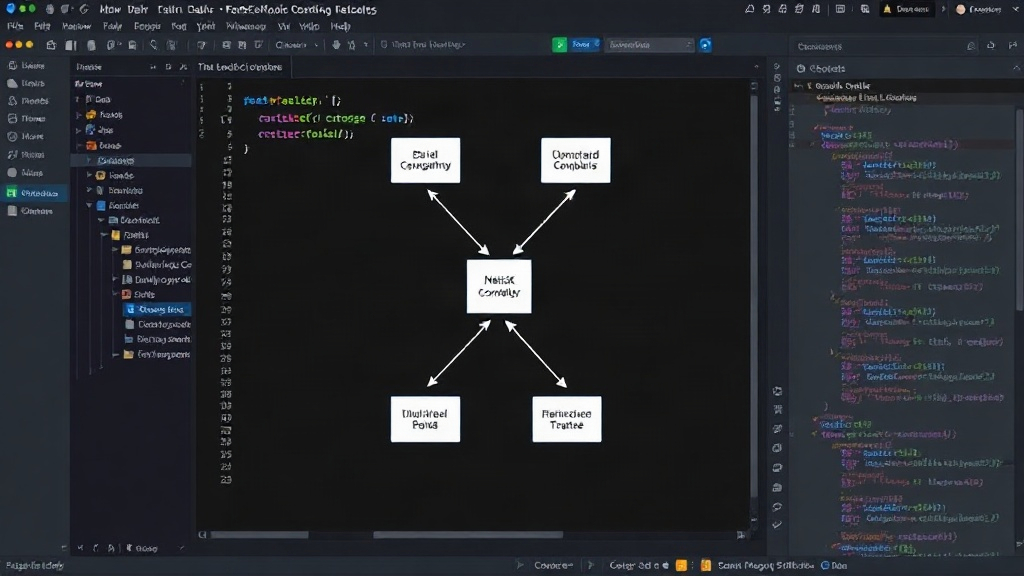
The proposed method involves creating a compiler directly within the open-source kernel. This in-kernel compiler would be responsible for reading a user-defined configuration file, specifically a `build.nexis` file. This file would contain build instructions written in a custom syntax, designed to be parsed by the kernel's own compiler.
Once parsed, the in-kernel compiler would then invoke the traditional Makefile, effectively acting as an intelligent intermediary. This approach promises a more granular and system-aware build process, allowing for optimizations and configurations that a generic external tool might overlook. The developer describes this as a gradual evolution of their programming language and kernel project, where the build system grows alongside the core components.
The technical hurdles are significant. Defining a new syntax, designing a robust parser capable of running within the kernel's constraints, and managing the complex interactions with file access, process execution, and communication protocols are substantial challenges. The kernel operates in a highly privileged and restricted environment, making the integration of such a tool a non-trivial undertaking. It requires careful consideration of security, stability, and performance implications.
Technical Challenges and Potential Solutions
The primary challenge is the kernel environment itself. Kernels are designed for stability and security, with strict rules about what code can execute and how it can interact with hardware and other processes. Introducing a user-configurable compiler, even one designed with specific syntax, raises immediate concerns about potential crashes, security vulnerabilities, and performance degradation.
One critical aspect is how the kernel would handle file access for the `build.nexis` file and any associated source or configuration files. Standard kernel modules have limited, controlled access. A user-level build configuration implies a level of dynamic access that would need to be carefully sandboxed. Similarly, invoking external build tools like `gcc` or `clang` from within the kernel would necessitate a secure and well-defined inter-process communication (IPC) mechanism, or a carefully managed execution environment.
The parsing of the `build.nexis` syntax is another area requiring meticulous design. The parser must be efficient, error-tolerant, and capable of translating the custom directives into commands that the underlying build system can understand. This could involve generating temporary scripts or directly manipulating build targets and dependencies. The developer acknowledges these complexities, viewing them not as deterrents but as integral parts of the project's inherent interest and challenge.
Implications for Development Workflows
If successful, this in-kernel compilation method could offer a paradigm shift for specific types of projects, particularly those with highly customized or deeply integrated build requirements. For developers building operating systems, embedded systems, or specialized runtimes, a build system that understands the nuances of the target environment from within the kernel could lead to significant advantages.
Imagine a scenario where the kernel itself can dynamically adjust compilation flags based on detected hardware, optimize build targets based on real-time system load, or even facilitate hot-swapping of compiled modules without a full system rebuild. This level of integration moves beyond mere convenience; it enables a more responsive and adaptive development cycle.
The concept also touches upon the broader trend of meta-programming and self-aware systems. As software becomes more complex, the tools used to build that software must also become more sophisticated. An in-kernel compiler represents an extreme, albeit fascinating, step in this direction. It forces developers to think about the build process not as an external utility but as an intrinsic part of the system's operational logic.
However, the practicality for general-purpose development remains questionable. The overhead of developing and maintaining such a system, coupled with the inherent risks of running user-configurable code within the kernel, would likely outweigh the benefits for most standard applications. The generic `make` command, despite its simplicity, has proven its value through decades of widespread adoption and stability.
The Future of Embedded Build Systems
The NexisK project's approach, while nascent, raises pertinent questions about the future of build systems in specialized computing domains. As hardware becomes more diverse and software requirements more demanding, the need for highly tailored compilation strategies will only grow. This could lead to more sophisticated build tools that offer deeper system introspection, or perhaps even more radical ideas like this in-kernel compiler.
The developer's willingness to tackle such a complex problem head-on is a testament to the drive for innovation in software engineering. While the path from concept to a stable, production-ready system is long and arduous, the exploration itself is valuable. It pushes the boundaries of what is considered possible in system design and build process management. The success of NexisK's build system, if it materializes, could inspire similar explorations in other niche areas of computer science, demonstrating that even the most fundamental aspects of development can be reimagined.