The Motivation: Beyond Static Resumes
A developer portfolio is more than a digital resumé; it's a dynamic demonstration of engineering prowess. Muhammed Rifad sought to move beyond traditional static listings and create an immersive experience that actively showcases his full-stack capabilities. This led to the development of an interactive 3D portfolio website, engineered using a modern JavaScript stack.
Technical Stack and Core Components
The foundation of the portfolio rests on a robust set of technologies. React.js provides the component-based structure for the user interface. Three.js, a powerful JavaScript 3D library, enables the rendering of complex 3D scenes directly in the browser. Tailwind CSS offers a utility-first approach to styling, ensuring a responsive and modern aesthetic. Next.js, a React framework, handles server-side rendering, routing, and API routes, crucial for a full-stack application.
Interactive 3D Workspace
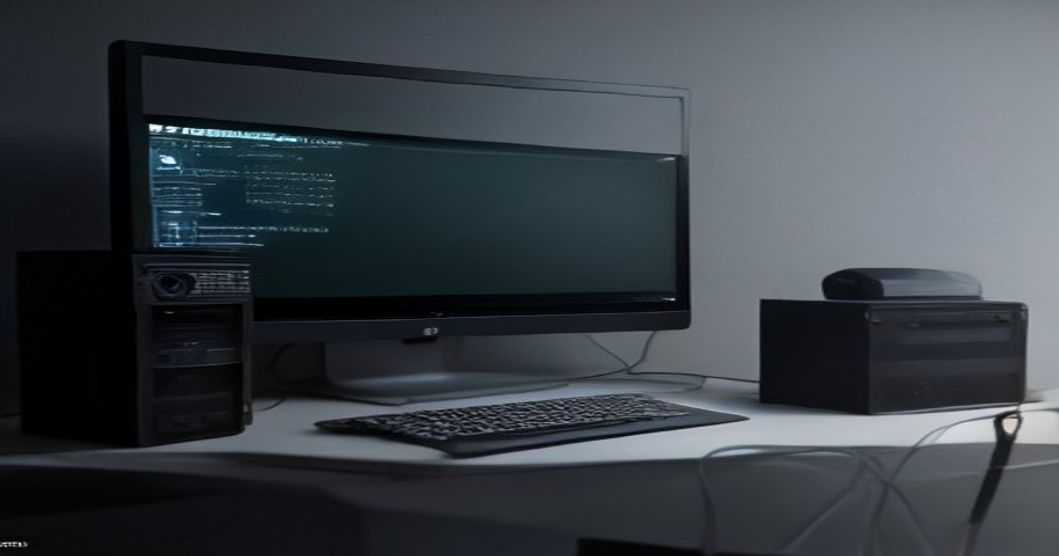
A standout feature is the interactive 3D workspace, designed to immediately engage visitors. This 3D environment is powered by @react-three/fiber, a React renderer for Three.js, and @react-three/drei, a collection of useful helpers and abstractions for Three.js in React. Rifad integrated a detailed 3D model of a desktop PC, which serves as the central visual element. This interactive model is not merely decorative; it acts as a gateway to explore his work, embodying the concept of demonstrating engineering skills in real-time.
Showcasing Production Case Studies
Beyond the 3D visuals, the portfolio effectively presents tangible proof of Rifad's client work. It features over 10 live-deployed production web applications. These projects were built for clients located in the UAE, specifically Dubai and Abu Dhabi, as well as in India. Each case study likely includes details about the problem addressed, the solution implemented, and the technologies used, offering potential clients a clear understanding of his problem-solving abilities and project delivery track record.
Performance Optimization and SEO Strategy
Recognizing that a visually stunning site must also be accessible and discoverable, significant attention was paid to performance and Search Engine Optimization (SEO). To ensure instant search indexing and better visibility, Rifad implemented several key SEO strategies. This included configuring custom Schema.org JSON-LD markup, which provides structured data about the website's content to search engines. Additionally, the generation of XML sitemaps aids search engine crawlers in discovering and indexing all relevant pages. Canonical tags were also employed to help manage duplicate content issues and consolidate ranking signals. This technical diligence ensures that the portfolio, despite its complex 3D elements, remains fast-loading and easily found by prospective clients or recruiters.
UI/UX Design Principles
The user interface (UI) and user experience (UX) are paramount in a portfolio designed to impress. Rifad focused on a modern aesthetic, leveraging Tailwind CSS for its efficient and clean styling capabilities. The goal was to create an intuitive navigation flow that guides users seamlessly through the 3D environment and project showcases. The design prioritizes clarity and ease of interaction, ensuring that the technical sophistication of the site does not detract from its primary purpose: presenting the developer's skills and work effectively. The interplay between the 3D elements and the content presentation aims to create a memorable and professional impression.
The Full-Stack Integration
As a full-stack portfolio, the site integrates front-end interactivity with back-end functionality. While the article focuses on the front-end technologies and 3D rendering, the mention of Next.js implies the potential for API routes, server-side logic, or even direct integration with a headless CMS or database to dynamically load project information. This holistic approach demonstrates a comprehensive understanding of web development, from user-facing design to underlying infrastructure. The ability to manage and serve project data efficiently is as critical as the visual presentation.
What This Means for Developers
Building such a portfolio is not just about personal branding; it's an advanced coding exercise. It pushes developers to master not only front-end frameworks but also 3D graphics libraries and SEO best practices. It serves as a testament to the developer's ability to integrate complex technologies into a cohesive, performant, and user-friendly application. This approach sets a high bar for personal projects, moving them from simple websites to sophisticated software demonstrations.