The Genesis of Telemetry Tracker
A few months ago, a developer started building something they initially thought would only serve their personal needs: Telemetry Tracker. What began as an experimental sandbox for exploring telemetry, SDKs, and backend architectures, born out of frustration with managing disparate analytics tools across multiple side projects, has evolved into a project with broader potential. The developer found themselves increasingly relying on this internally built solution, using it across more and more of their own projects. This organic adoption led to the realization that the tool had matured into something valuable enough to be shared with the wider community through open-sourcing.
The motivation behind Telemetry Tracker isn't to displace established players like Sentry, PostHog, or Datadog. Instead, its existence is rooted in a desire for a telemetry solution that aligns with a specific development philosophy. The creator wanted a tool that was lightweight, self-hostable, and offered a degree of control and customization often missing in larger, opinionated platforms. This approach appeals to developers who prefer to understand and manage their infrastructure intimately, especially for smaller projects or those where external data privacy concerns are paramount.
Core Philosophy and Target Audience
Telemetry Tracker is positioned as an alternative for developers who find existing solutions either too complex, too expensive, or too opaque for their specific use cases. The project emphasizes simplicity and transparency. It aims to provide essential telemetry data – such as event tracking, error reporting, and basic performance metrics – without the overhead of enterprise-grade features that many individual developers or small teams don't require. The self-hosted nature is a key differentiator, offering users complete ownership and control over their data. This is particularly relevant in an era of increasing data privacy regulations and growing developer concern over how third-party services handle sensitive user information.
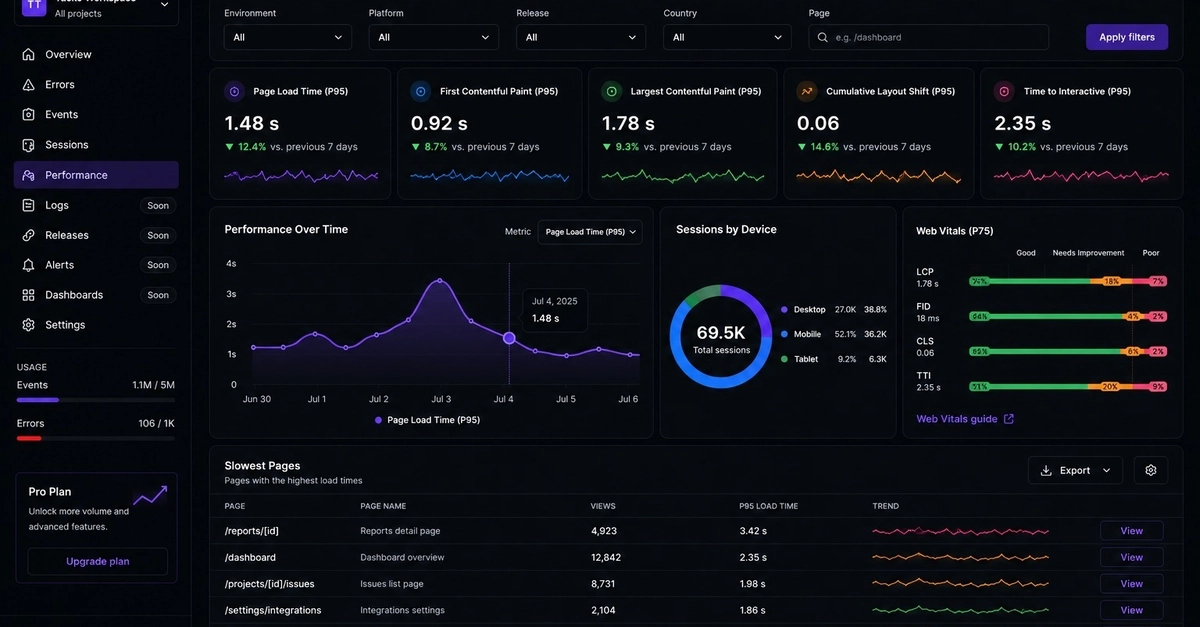
The platform is designed with a focus on ease of integration and a straightforward user experience. For developers, this means a minimal barrier to entry when incorporating Telemetry Tracker into their applications. The SDKs are intended to be lightweight and easy to implement, requiring little configuration. The dashboard provides a clear, actionable view of collected data, enabling quick identification of issues or trends without requiring extensive training or complex query languages. This is akin to having a dedicated, highly organized assistant for your project's health metrics, one that only reports what's essential and understandable.
Technical Underpinnings and Architecture
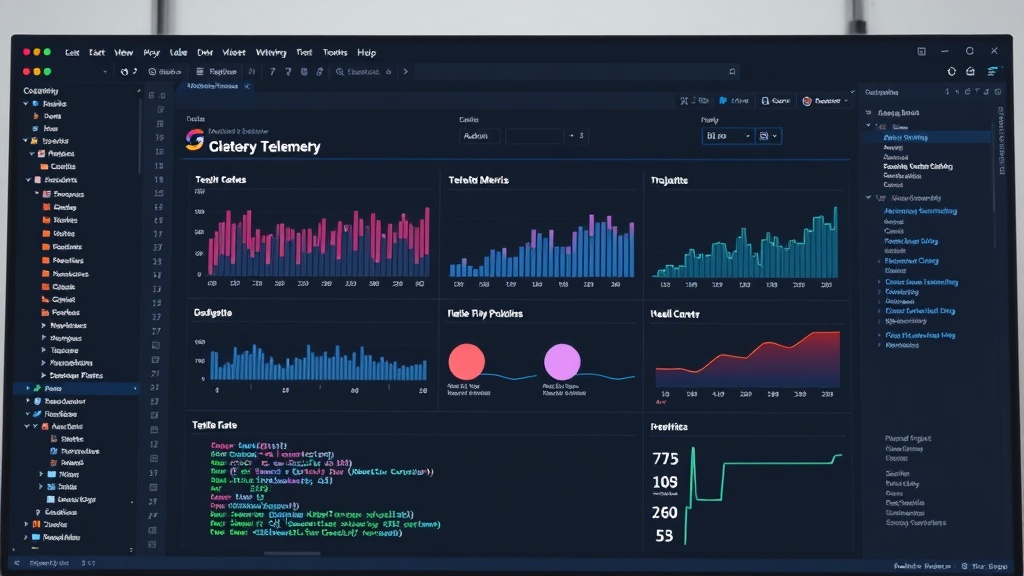
At its core, Telemetry Tracker is built with a modern, modular architecture. The backend is designed to be scalable, capable of handling a significant volume of events from multiple projects. While specific technologies are not detailed in the initial announcement, the emphasis on experimentation suggests a stack that might include technologies like Go, Rust, or Node.js for the backend services, and a robust time-series database such as ClickHouse or TimescaleDB for efficient data storage and retrieval. The choice of database is critical for performance, especially when dealing with the high ingest rates typical of telemetry data.
The SDKs are crucial for data collection. They are typically offered for popular programming languages and frameworks, ensuring broad compatibility. These SDKs are responsible for capturing events, errors, and performance data directly from the client or server-side applications. They then batch and send this data securely to the Telemetry Tracker backend. The focus is on minimal performance impact on the host application, ensuring that the monitoring tool itself doesn't become a performance bottleneck.
The dashboard component provides the visualization layer. This is where users interact with their data. It likely features interactive charts, error logs, and event timelines. The goal is to present complex data in an easily digestible format, allowing developers to quickly spot anomalies, track feature adoption, or diagnose performance regressions. The architecture supports customization, allowing users to define their own events and metrics, tailoring the tracking to their unique application logic.
Open Source Strategy and Community Engagement
The decision to open-source Telemetry Tracker signifies a commitment to community-driven development. By making the codebase public, the creator invites contributions, bug fixes, and feature requests from other developers. This collaborative model can accelerate development and lead to a more robust and versatile platform. The project aims to foster a community around developers who value transparency, control, and a pragmatic approach to application monitoring.
For potential contributors, Telemetry Tracker offers a chance to work on a real-world project addressing common developer pain points. The project's focus on core telemetry features means that contributions can range from improving SDK performance to adding new visualization types to the dashboard, or even enhancing backend processing capabilities. The creator's initial solo effort highlights the possibility for significant impact, even from a single individual, and the open-source model amplifies this potential.
The future roadmap for Telemetry Tracker will likely be shaped by community feedback and adoption. While the initial release focuses on essential features, future iterations could include more advanced anomaly detection, A/B testing capabilities, or deeper integrations with CI/CD pipelines. The project's success will hinge on its ability to remain lightweight and focused while gradually incorporating valuable features suggested by its user base. The open-source nature ensures that the project can adapt to the evolving needs of developers without being constrained by a corporate product roadmap.
What's Next for Telemetry Tracker?
The immediate next steps for Telemetry Tracker involve building out its community and refining its core features based on early user feedback. The creator is likely looking to establish clear contribution guidelines, foster communication channels (like a Discord server or GitHub discussions), and ensure the documentation is comprehensive enough to onboard new users and contributors. The long-term vision is to create a sustainable open-source project that provides a reliable, privacy-conscious telemetry solution for developers worldwide. It represents a pragmatic approach to a common problem, built by a developer for developers.