The Designer-Developer Divide: A Feasibility Fault Line
The tech industry often sees a distinct chasm between designers and developers. Designers are frequently perceived as pixel-pushing idealists, focused on aesthetic perfection and intricate animations. Developers, in contrast, are seen as the grounded pragmatists tasked with translating these visions into functional reality, often having to deliver the hard news about what’s possible within real-world constraints. This perceived rivalry stems from differing priorities and skill sets, leading to friction when design aspirations meet development limitations.
However, a growing number of professionals are finding themselves positioned directly between these two camps. By possessing a background that spans both computer science and design, they bring a unique perspective that fundamentally alters the design process. This technical foundation is not merely a resume footnote; it becomes a critical asset that enables them to deliver greater value and foster smoother collaboration. The ability to understand the underlying code and development frameworks transforms feasibility from an external constraint into an integral component of the design process itself.
Feasibility as a Design Input
Platforms like Dribbble and Behance showcase a dazzling array of interfaces featuring glassmorphic elements and animations that seem to defy physics. These designs are undeniably beautiful and inspiring. Yet, many are conceptual pieces, never intended for actual deployment within a typical development cycle. When a developer is tasked with building such a design within the confines of a standard sprint, the inherent complexity and technical debt can lead to frustration and a silent resentment towards the original design.
A designer with coding knowledge, even a foundational understanding of HTML, CSS, and the general behavior of JavaScript frameworks, cannot design in a vacuum. This technical fluency acts as an immediate filter, guiding design decisions towards implementable solutions. It allows designers to anticipate potential development challenges and opportunities early in the process. Instead of presenting a fully formed, potentially unbuildable concept, they can iterate with developers, ensuring that the final product is not only aesthetically pleasing but also technically sound and achievable within project timelines and budgets.
Integrating Code Understanding into the Design Workflow
The benefits of a designer understanding code extend beyond mere feasibility checks. It enables a more dynamic and collaborative workflow. When designers can speak the language of developers, or at least understand the fundamental principles, communication barriers break down. This shared understanding fosters mutual respect and allows for more efficient problem-solving. Design iterations can be informed by real-time technical feedback, leading to quicker adjustments and fewer costly revisions late in the development cycle.
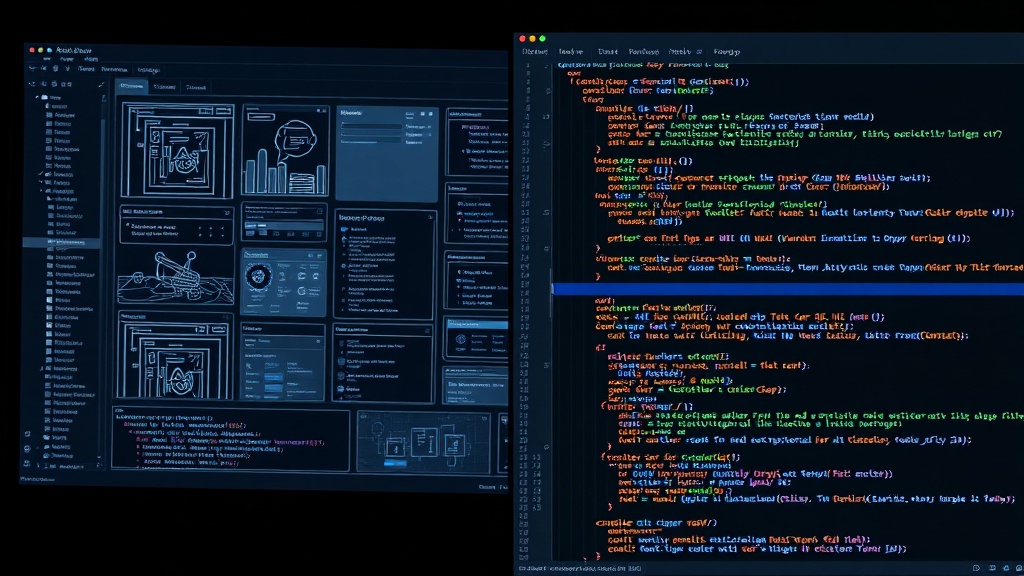
Consider the process of creating interactive prototypes. Traditionally, designers might build highly polished prototypes in tools like Figma or Adobe XD. While these are excellent for conveying user flow and basic interactions, they often fall short in representing the true feel and performance of a live application. A designer who codes can go a step further, building functional prototypes using actual code. This approach offers a more accurate representation of the final product’s behavior, including animations, transitions, and responsiveness, providing developers with a much clearer and more precise specification. It’s akin to a chef tasting their own ingredients before presenting the dish, rather than just describing the flavors.
Beyond Pixels: The Value of Technical Design
The value proposition for designers who code is clear: they bridge the critical gap between conceptual design and functional production. They are not just creating mockups; they are architecting user experiences with an inherent understanding of their implementation. This dual capability makes them invaluable assets to teams, capable of navigating the complexities of both user-centered design and technical development. They can identify opportunities for performance optimization directly within the design phase or suggest alternative design patterns that leverage existing code libraries more effectively.
This cross-disciplinary skill set is becoming increasingly important in a landscape where user expectations for polished, performant, and engaging digital products are continually rising. Companies that embrace this hybrid skillset within their design teams are likely to see faster development cycles, reduced project costs, and ultimately, more successful product launches. The ability to foresee and address technical challenges early on mitigates risk and ensures that ambitious designs can indeed make it from the drawing board to the user’s screen.
What remains to be seen is how design education will adapt to this trend. Will design programs begin to integrate more comprehensive coding curricula, or will the onus continue to be on individual designers to acquire these skills independently? The industry's trajectory suggests that a blend of design thinking and technical literacy is not just a niche advantage but a future standard for effective product creation.