The 'Why' Over the 'How'
Frontend development often gets bogged down in the minutiae of implementation. We obsess over the latest JavaScript framework, shaving milliseconds off bundle sizes, or mastering the newest CSS selectors. While these technical skills are crucial, they represent only half the equation. The true differentiator for exceptional frontend engineering lies not in the 'how' but in the 'why.' This is where design thinking becomes indispensable, transforming the engineer's role from a code craftsman to a user experience architect.
Design thinking, traditionally the domain of UX designers, offers a powerful framework for frontend engineers. It’s a fundamental shift in perspective, moving from the question, "How can I build this feature?" to a more user-centric inquiry: "How does this feature genuinely serve the user's journey within our digital ecosystem?" This mindset encourages a deeper understanding of user needs, motivations, and pain points, ensuring that the code we write directly addresses real-world problems and enhances user interaction.

An Architect's Perspective on Code
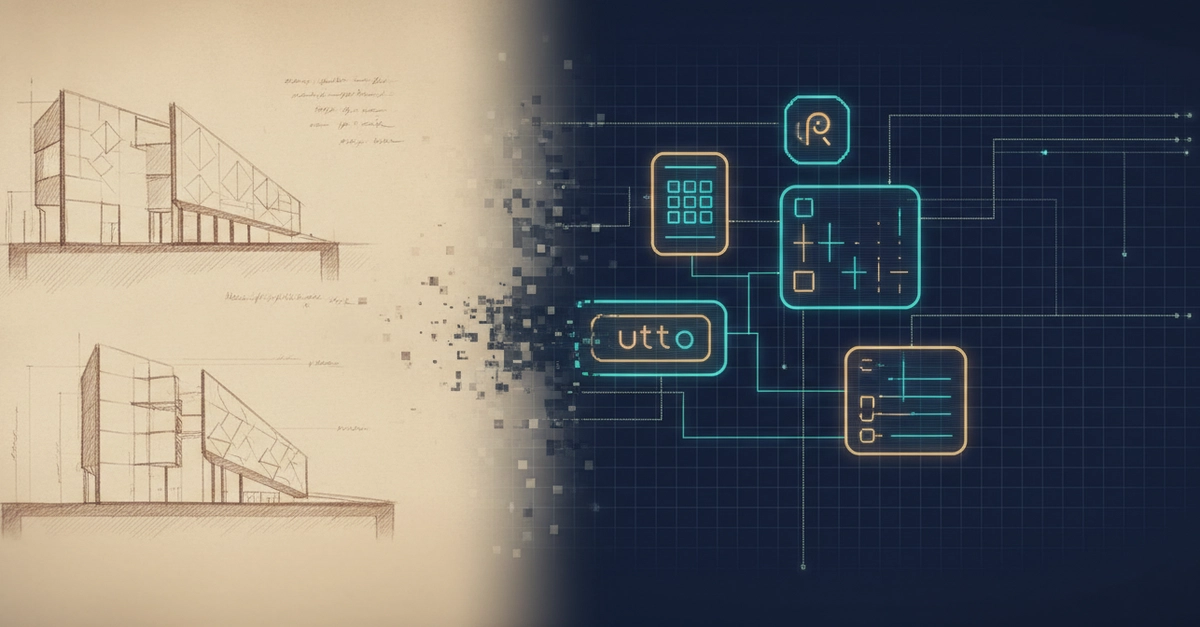
The principles of architectural design offer a compelling analogy for frontend development. An architect understands that a building is far more than just walls and a roof; it's a carefully orchestrated solution designed to facilitate human movement, optimize natural light, and serve a specific purpose. This holistic view translates directly to frontend engineering.
Consider components in a framework like React. Instead of viewing them as mere blocks of code, an architect-minded frontend engineer sees them as distinct, functional spaces within the digital interface. Each component should be "breathable" – intuitive and easy to navigate. It must possess a clear purpose, guiding the user efficiently through their tasks. This requires empathy, a core tenet of design thinking, to anticipate how users will interact with, perceive, and utilize each element. We must ask: Does this button placement intuitively guide the user? Is the information hierarchy logical and easy to scan? Does the visual design support, rather than hinder, the user's goal?
Empathy-Driven Development
Empathy is the cornerstone of design thinking. For frontend engineers, this means stepping outside their own technical perspective and into the user's shoes. It involves actively understanding the user's context, their technical proficiency, their emotional state, and their ultimate goals when interacting with the application. This understanding informs every decision, from the micro-interactions within a component to the overall information architecture of the application.
When we build with empathy, we move beyond simply fulfilling functional requirements. We start to anticipate potential frustrations, address accessibility concerns proactively, and craft experiences that feel natural and supportive. This isn't about adding more features; it's about refining existing ones and the overall flow to be more intuitive and delightful. It means considering users with disabilities, users on slow network connections, or users who are new to the application. This deep understanding allows engineers to create interfaces that are not only functional but also humane and effective.
The Iterative Loop: Prototype, Test, Refine
Design thinking emphasizes an iterative process: empathize, define, ideate, prototype, and test. While frontend engineers might not always be directly involved in the initial ideation or user research phases, they are critical players in the prototyping and testing stages. They can leverage their technical skills to quickly build functional prototypes that allow for real user feedback.
This iterative loop is vital. Instead of developing a feature in isolation and only testing it at the end, engineers can work with designers and product managers to create early, testable versions. This could involve building interactive mockups, implementing core functionality with placeholder data, or deploying A/B tests for different UI variations. The feedback gathered from these tests directly informs refinements, preventing costly rework later in the development cycle. This agile approach, informed by design thinking, ensures that the final product is robust, user-validated, and aligned with actual user needs.
Beyond Aesthetics: Functionality and Usability
It's a common misconception that design thinking is solely about visual aesthetics. While visual design is an important output, the core of design thinking is about problem-solving and ensuring usability. For a frontend engineer, this means the code must not only look good but also *work* exceptionally well for the intended user.
This involves a deep consideration of performance, accessibility, and maintainability. An interface that is visually stunning but slow to load or difficult to navigate fails the user. An engineer applying design thinking will optimize for these factors, understanding that a seamless, accessible experience is paramount. They will consider how different users, with varying devices and abilities, will interact with the interface. This leads to cleaner, more efficient code that prioritizes the user's ability to achieve their goals with minimal friction. It’s about building experiences that are robust, inclusive, and ultimately, successful from the user’s perspective.
The Future of Frontend Engineering
As frontend applications become increasingly complex and user expectations rise, the ability to think beyond syntax and embrace design thinking will become a defining characteristic of great frontend engineers. It’s about fostering a culture of continuous learning, not just in new technologies, but in understanding human behavior and user needs. By integrating empathy, iterative development, and a user-centric mindset into their daily workflow, frontend engineers can move beyond simply writing code to crafting truly exceptional digital experiences that resonate with users and drive business value.
What nobody has fully explored yet is how to effectively embed these design thinking principles into engineering education and bootcamps, ensuring that the next generation of frontend developers are equipped with this crucial 'why' from day one, not as an afterthought.