Hassabis's Ascension and the Shifting AI Landscape

The recent announcement that Sir Demis Hassabis will step up to become Chair and Chief Scientist at Alphabet, Google's parent company, marks a significant inflection point for the UK's AI ambitions. For over a decade, DeepMind has been the cornerstone of Britain's claim to be a preeminent AI ecosystem outside the US and China. Hassabis's elevation, while a testament to his personal success, inevitably casts a shadow over London's AI standing. This move signals a deeper integration of DeepMind into Alphabet's broader strategy, potentially diminishing its distinct presence and influence within the UK. DeepMind's journey began in London in 2010, aiming to solve intelligence to advance science and benefit humanity. Its acquisition by Google in 2014, followed by the merger with Google Brain to form Google DeepMind in 2023, has already seen its operational focus shift. Hassabis’s new global role at Alphabet suggests this integration will only deepen, moving the strategic reins further away from London and closer to Alphabet's core leadership. This transition is more than a personnel change; it’s a signal that DeepMind's future, and by extension a significant part of the UK's AI narrative, is now inextricably linked to Alphabet's global AI priorities. The question is no longer if DeepMind will be a UK-centric entity, but rather what its new configuration means for the ecosystem it helped cultivate.

DeepMind's UK Footprint and the Merger's Impact

Prior to the merger with Google Brain, DeepMind operated with a degree of autonomy that allowed it to foster a strong UK-based research community. The company invested heavily in its London headquarters, attracting top talent and contributing to the city's reputation as an AI powerhouse. Its £150m investment in new London facilities in 2022 was seen as a commitment to its UK roots. However, the 2023 merger, which brought together DeepMind and Google Brain, already represented a significant consolidation. The creation of Google DeepMind aimed to streamline AI efforts across Google and Alphabet, pooling resources and talent. Hassabis, as CEO of the merged entity, was instrumental in this integration. His new role as Alphabet Chair and Chief Scientist signifies a move up the corporate ladder, consolidating his influence over AI strategy across the entire Alphabet conglomerate.

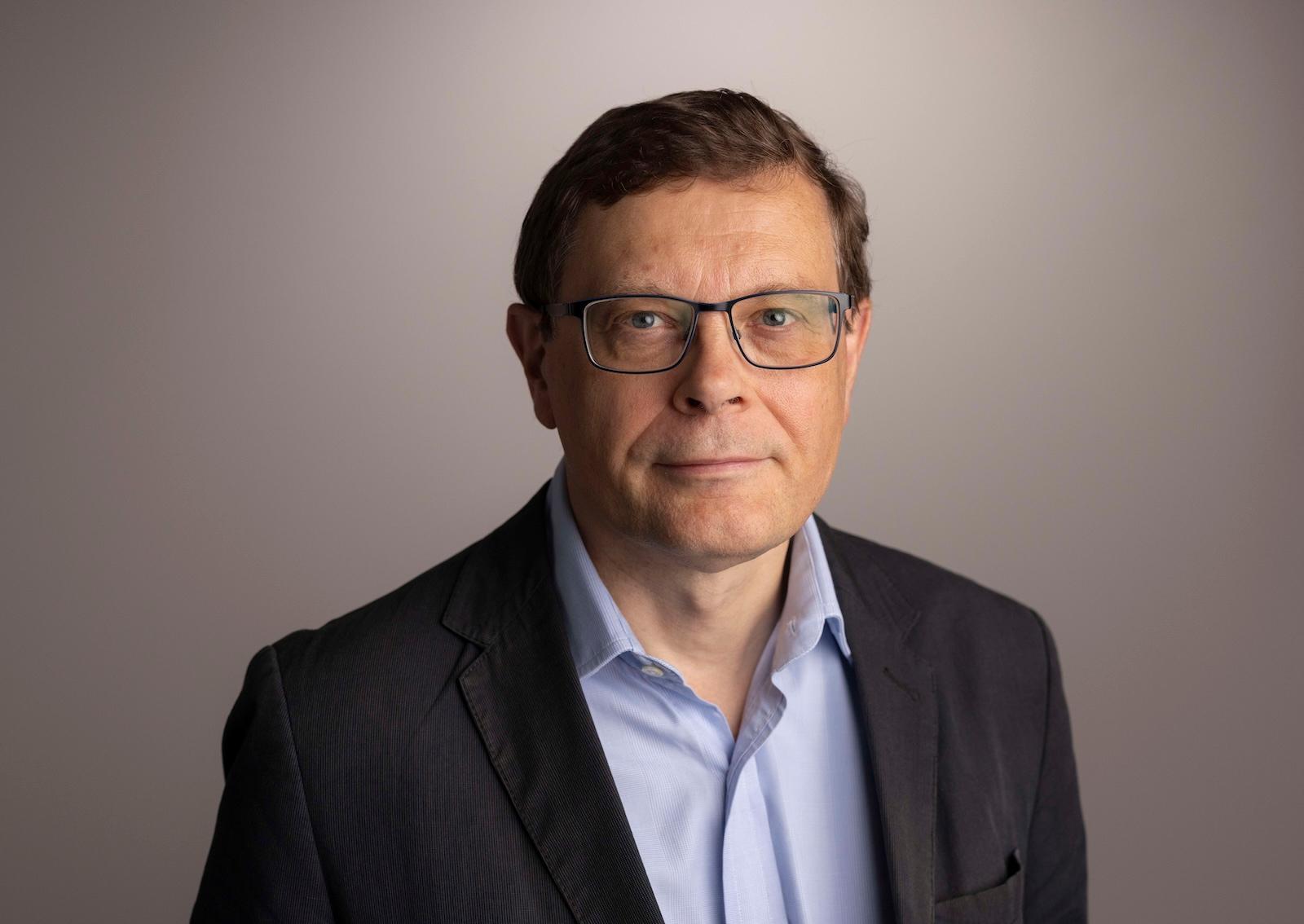
Sir Demis Hassabis, pictured in a professional setting, addressing a conference.
This consolidation raises concerns about the future of DeepMind's UK operations and its role in the national AI strategy. While the company states its commitment to its London presence, the strategic direction will now be set at the highest level of Alphabet. This could mean a re-prioritization of projects, a shift in research focus, or even a gradual reduction in the distinctiveness of its UK-based activities. The UK government has consistently championed AI as a key growth sector, with DeepMind often cited as a flagship success story. Hassabis's new role, while keeping him connected to AI development, moves him away from the operational leadership of a UK-anchored entity and into a more global, strategic position within Alphabet. This shift could impact the UK's ability to leverage DeepMind's expertise and influence for national AI development.

What This Means for the UK AI Ecosystem

DeepMind's historical presence has been a magnet for talent and investment in the UK. Its breakthroughs, from AlphaGo to AlphaFold, have not only advanced AI but also bolstered Britain's scientific credentials. The concern now is that with Hassabis operating at the Alphabet level, the direct connection and influence DeepMind has historically wielded within the UK ecosystem might diminish. This could leave a void, potentially impacting the flow of talent, investment, and cutting-edge research that has characterized London's AI scene. Competitors and other AI players in the UK might see this as an opportunity to strengthen their own positions. Without DeepMind as a distinct, UK-focused entity setting the pace, other companies and research institutions may find more space to grow and innovate. However, the loss of a globally recognized AI leader based in the UK also represents a reduction in the country's overall AI profile. The UK's AI strategy has leaned heavily on the prestige and capabilities of DeepMind. Hassabis's new role necessitates a recalibration of this strategy. The government and industry stakeholders will need to consider how to maintain and enhance the UK's AI leadership without relying as heavily on a company whose ultimate strategic direction is now set at the parent conglomerate level. This could involve fostering new homegrown AI champions or strengthening collaborations with international AI leaders that maintain a significant operational presence in the UK. Ultimately, Sir Demis Hassabis's ascent to Alphabet Chair and Chief Scientist is a pivotal moment. It underscores the global nature of AI development but also forces a critical examination of the UK's AI future. The challenge will be to ensure that the UK's AI ambitions do not falter with this significant shift, and that London can continue to be a vibrant and influential hub for artificial intelligence.