From Vision to Hardware: DAC 2026's Verification Focus
The Design Automation Conference (DAC) has historically served as a bellwether for the semiconductor industry's trajectory. Last year's event saw robust debates on the future of verification, exploring theoretical advancements and long-term visions. This year, however, the conversation at DAC 2026 in Long Beach pivots sharply from abstract concepts to tangible, running hardware. The engineering track is dedicating significant attention to emulation and prototyping platforms, the very tools that bridge the gap between complex design visions and functional silicon.
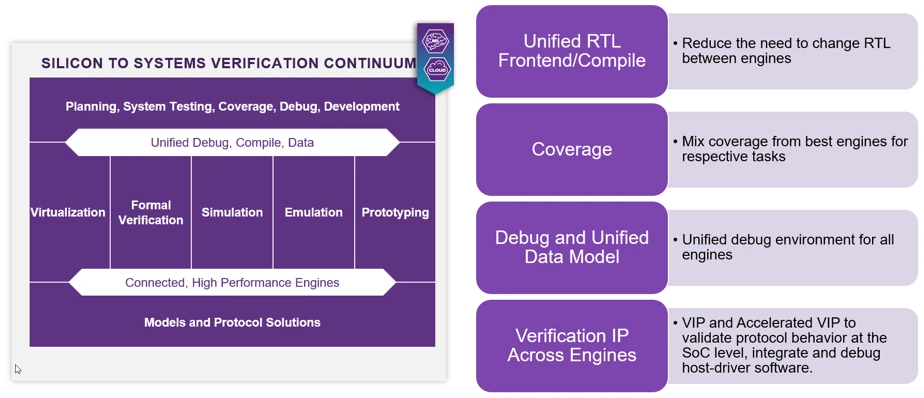
This shift underscores a maturing industry grappling with the escalating complexity of modern chip designs. As System-on-Chips (SoCs) integrate more functionality, from advanced AI accelerators to high-speed connectivity, the demands on verification methodologies intensify. Traditional simulation methods, while still essential, are increasingly strained by the sheer scale and intricacy of these designs. Emulation and prototyping offer a path to accelerate verification by executing designs at speeds orders of magnitude faster than software simulation, enabling earlier and more thorough testing.
The Rise of Emulation and Prototyping
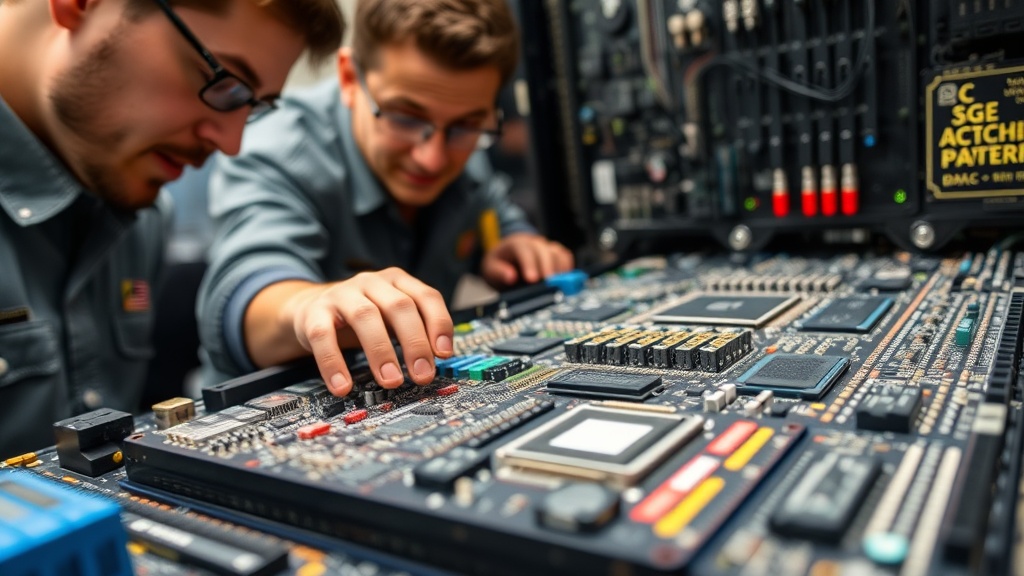
Emulation, particularly FPGA-based emulation, has emerged as a critical component in the verification engineer's toolkit. These systems allow designers to synthesize their RTL (Register-Transfer Level) designs onto large FPGA arrays, creating a virtual hardware environment where software can run. This enables the testing of complex software stacks, operating systems, and even entire applications on the design long before physical silicon is available. The benefits are profound: earlier software development, detection of hardware-software integration bugs, and the ability to perform extensive use-case testing.
Prototyping takes this a step further. While emulation often involves a degree of compilation and mapping overhead, prototyping systems aim for even higher performance, sometimes at the cost of flexibility. These systems might utilize custom hardware or highly optimized FPGA configurations to achieve near-real-time performance for specific design blocks or even entire SoCs. The goal is to provide a platform that closely mimics the final silicon's behavior and performance, allowing for rigorous validation of performance-critical features and complex interactions.
Addressing Scalability and Performance Challenges
A key theme at DAC 2026 is the ongoing challenge of scaling these hardware-assisted verification techniques to meet the demands of increasingly massive designs. As chips push into the tens or hundreds of billions of transistors, the capacity of emulation and prototyping systems becomes a limiting factor. Discussions are revolving around techniques for partitioning large designs across multiple emulation or prototyping units, efficient inter-unit communication, and managing the complexity of these distributed verification environments.
Furthermore, the performance aspect is not just about raw clock speed. It's also about the efficiency of the verification flow itself. This includes faster compilation and synthesis times for RTL onto FPGAs, improved debug capabilities that can provide deep visibility into the design's behavior during emulation runs, and seamless integration with existing verification environments and tools. The industry is actively seeking solutions that reduce the time from design commit to a debuggable, high-speed emulation or prototype. This involves innovations in:
- Hardware Description Language (HDL) Synthesis: More intelligent synthesis tools that can optimize RTL for FPGA implementation, reducing mapping time and improving resource utilization.
- Debug Infrastructure: Advanced debuggers that can handle the massive amounts of data generated by emulators, offering non-intrusive monitoring and post-capture analysis.
- Connectivity: High-speed interfaces and protocols that enable efficient communication between design blocks, between multiple emulation/prototype units, and between the emulation system and external test benches or software environments.
- Power and Thermal Management: As emulation systems become larger and more power-hungry, efficient thermal management and power delivery are becoming critical design considerations for the platforms themselves.
The Role of AI and Machine Learning
While the focus is on hardware, the role of AI and machine learning in optimizing verification processes is also a significant undercurrent. AI is being explored for tasks such as predicting potential design bugs based on historical data, optimizing the allocation of verification resources, and even automating aspects of test case generation. The hope is that AI can help manage the complexity and accelerate the verification cycles, making the most of the powerful emulation and prototyping hardware now available.
The integration of AI into the verification flow is not about replacing hardware acceleration but augmenting it. AI can guide the verification engineer, suggesting areas to focus on, identifying patterns in failing tests, and helping to prioritize debugging efforts. This synergy between advanced hardware platforms and intelligent software promises to be a key differentiator in future verification strategies.
What This Means for the Industry
The clear emphasis at DAC 2026 on emulation and prototyping hardware signifies a crucial evolution in how complex chips are designed and verified. It highlights the industry's acknowledgment that achieving first-pass silicon success with increasingly sophisticated designs requires moving beyond theoretical discussions and investing heavily in robust, high-performance execution platforms. Companies that can effectively leverage these tools will gain a significant competitive advantage, enabling faster time-to-market and more reliable products.
For engineers, this means a growing need for expertise in hardware-assisted verification techniques. Understanding how to partition designs, manage large FPGA environments, and utilize advanced debug capabilities will become increasingly valuable. The future of verification is not just about writing better testbenches; it's about mastering the hardware that executes them at scale.