The Unsettling State of PC Building Today

The custom PC building hobby is in a peculiar, perhaps even dire, state. Component prices remain stubbornly high, availability is erratic, and the performance gains between generations are often incremental rather than revolutionary. For many, the traditional allure of building a bespoke machine – a carefully curated assembly of the latest and greatest hardware – has faded. The economic pressures, coupled with a maturing market where pre-built systems offer compelling value and convenience, have created a challenging landscape. It’s a stark contrast to the boom years when readily available, affordably priced components fueled a vibrant DIY culture. Today, the barriers to entry are higher, and the return on investment, in terms of raw performance per dollar, is less obvious. This environment begs the question: what does the future hold for a pastime that has long been defined by its accessible innovation and enthusiastic community?
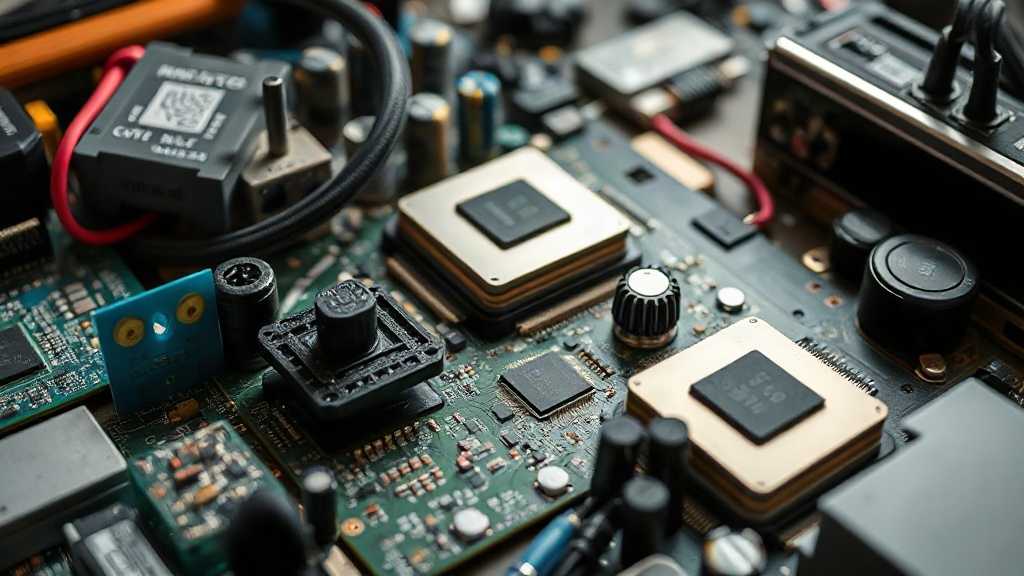
A cluttered desk showcasing a mix of new and old PC components
## The Three Pillars of Tomorrow's PC Builds However, this isn't an obituary for the custom PC. Instead, the hobby is fragmenting and evolving into three distinct, yet sometimes overlapping, futures. These paths cater to different motivations, budgets, and technical aptitudes, ensuring that the spirit of PC building persists. The first path focuses on extreme value and sustainability through repurposing. The second caters to the mainstream gamer seeking a balance of performance and cost. The third is the realm of the ultra-premium, where enthusiasts push the boundaries of performance and aesthetics, creating one-of-a-kind gaming art pieces.

The Salvage and Sustainability Movement

One of the most compelling futures for PC building lies in the reclamation and repurposing of older, often overlooked hardware. This approach is driven by a desire for cost-effectiveness, a commitment to reducing e-waste, and the sheer ingenuity required to make older components sing. Think of it less like building a new PC and more like restoring a classic car – it requires patience, specific knowledge, and a keen eye for compatible, albeit dated, parts. This segment of the market thrives on community forums, eBay hunts, and specialized modding. Builders in this space are less concerned with achieving the absolute highest frame rates and more focused on the satisfaction of creating a functional, capable machine from discarded parts. This might involve pairing a decade-old CPU with a more recent, budget-friendly GPU, or scavenging RAM and storage from retired systems. The challenge is not just finding parts, but understanding their limitations and how to optimize them within a modern operating system or gaming environment. This trend also taps into a broader societal shift towards sustainability, appealing to a generation increasingly aware of the environmental impact of consumer electronics.

The Mainstream Enthusiast: Performance and Value

The largest segment of the custom PC market will likely continue to be the mainstream enthusiast. These builders are primarily gamers who want a machine that offers excellent performance for their money, without the compromises of a budget pre-built or the exorbitant cost of a top-tier rig. They follow benchmarks, watch component reviews, and aim for a sweet spot – often a mid-range CPU paired with a capable mid-to-high-end GPU, sufficient RAM, and fast SSD storage. The goal here is clear: maximize frames per second for popular titles at resolutions like 1440p or even 4K, while maintaining a reasonable budget. This segment benefits from the consistent, albeit sometimes slow, march of technological progress. New generations of CPUs and GPUs, while not always game-changing, do offer tangible improvements and, crucially, lead to price drops in the previous generation's hardware. This creates a predictable upgrade path and a healthy used market. For these builders, ease of assembly and reliable performance are paramount. They might opt for aesthetically pleasing components, but the primary driver remains performance-per-dollar. This is the segment where component manufacturers and retailers will continue to focus their efforts, ensuring a steady supply of balanced, well-performing parts.

The Ultra-Premium: Bespoke Art and Uncompromised Power

At the apex of the custom PC building pyramid sits the ultra-premium segment. This is where PCs transcend mere function and become works of art, pushing the absolute limits of performance and aesthetic design. Builders here are not constrained by budget; their primary motivators are exclusivity, personalization, and the pursuit of the ultimate computing experience. These machines are often commissioned pieces, featuring bespoke cases, custom water-cooling loops with intricate tubing runs, exotic materials, and cutting-edge, often unobtainable, components. Think of it as the haute couture of PC building. The process for these builds can be as elaborate as the final product, involving extensive consultation with the builder, meticulous planning, and weeks or months of painstaking assembly and testing. The components themselves might include the fastest available CPUs and GPUs, often paired with extreme overclocking for maximum performance. Aesthetics are paramount, with every cable meticulously managed, every LED color perfectly synchronized, and the overall design reflecting the owner's unique tastes. These are not just gaming PCs; they are statements, centerpieces designed to impress and perform at the highest conceivable level. This segment is sustained by a desire for the unique and the ultimate, catering to a small but dedicated clientele with significant disposable income.

The Path Forward

While the current market presents hurdles, the future of custom PC building is not bleak; it is diversifying. The repurposing movement offers an accessible, sustainable entry point. The mainstream enthusiast segment ensures continued demand for balanced, performance-oriented builds. And the ultra-premium tier provides a showcase for innovation and artistry. Each of these paths represents a vital facet of the hobby, catering to different needs and passions within the broader PC building community. The challenge for enthusiasts and the industry alike will be to acknowledge and support these divergent futures, ensuring that the joy of building a personal computer remains vibrant and relevant for years to come.