
A Bold New Exterior for Strix Halo
GMKtec has unveiled its latest iteration of its Strix Halo-powered AI mini PC, the Evo-X3. This isn't just a spec bump; it's a radical aesthetic overhaul. The company has moved away from the more utilitarian design of its predecessor, the Evo-X2, opting for a statuesque, premium-feeling chassis. This redesign aims to position the Evo-X3 not just as a powerful computing device, but as a statement piece for the modern workspace or home. The new form factor is designed to be both visually appealing and functionally superior, focusing on improved thermal management and acoustics.
The original Evo-X2, reviewed earlier this year, offered a compelling package with its Strix Halo chip. However, the Evo-X3 arrives with a significant price increase, roughly doubling the cost of its predecessor. This raises immediate questions about value proposition, especially since the core processing silicon – the AMD Strix Halo APU – remains unchanged. The focus of this new model is clearly on the user experience, enhanced by the refined design and a quieter operational profile. The challenge for GMKtec will be to justify this substantial price jump through tangible improvements beyond the surface.
Performance and Thermals: Familiar Power, Cooler Operation
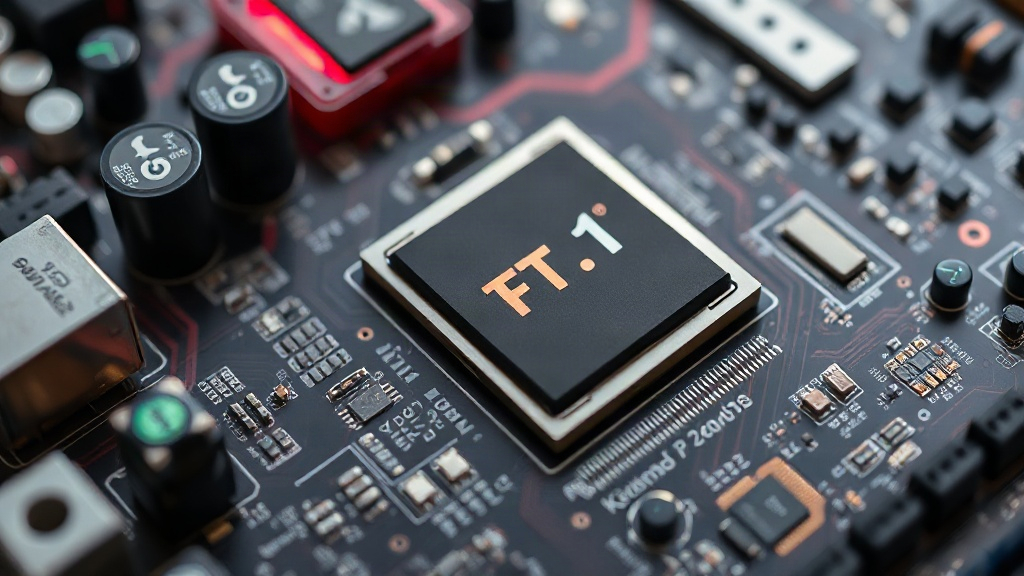
Underneath the striking new exterior of the Evo-X3 lies the same AMD Strix Halo APU that powered the Evo-X2. This chip is the heart of the machine, designed for efficient AI processing and general computing tasks. While the silicon itself hasn't changed, GMKtec's engineering team has clearly put considerable effort into optimizing its thermal performance within the new chassis. Early indications suggest the Evo-X3 runs cooler and quieter than its predecessor. This is a critical achievement for any compact PC, where heat and noise can quickly become significant drawbacks, particularly under sustained AI workloads.
The improved thermal management likely stems from a combination of factors: a more spacious internal layout, better airflow dynamics within the new case, and potentially enhanced heatsink and fan solutions. For users pushing AI models, training neural networks, or running demanding generative applications, a cooler-running system translates directly to more consistent performance and reduced throttling. The quiet operation is also a welcome change, making the Evo-X3 more suitable for environments where noise is a concern, such as offices or living spaces. It's less about raw performance gains and more about delivering that performance more comfortably and consistently.
The Price Dilemma: Is the Redesign Worth Double?
The most contentious aspect of the GMKtec Evo-X3 is its pricing. At approximately twice the cost of the Evo-X2, it positions the new model in a significantly different market segment. The Strix Halo APU, while capable, is not a new component. This means the substantial price increase is almost entirely attributable to the premium chassis design, improved cooling, and quieter operation. For some users, this premium experience might be justifiable. Developers and creators who value aesthetics and a refined user experience, and who can afford the premium, may find the Evo-X3 an attractive option. The ability to have a powerful AI-capable machine that looks as good as it performs, without the distracting hum of a typical workstation, has undeniable appeal.
However, for a large segment of the target market – particularly those focused purely on performance-per-dollar or those on tighter budgets – the price jump is a major hurdle. The Evo-X2 offered a similar AI processing capability at half the cost. This raises the question of whether the market is ready to pay a significant premium for design and acoustics on mini PCs powered by existing silicon. It suggests a strategic shift for GMKtec, perhaps aiming to capture a more design-conscious, affluent segment of the AI hardware market. The success of the Evo-X3 will hinge on whether potential buyers perceive the aesthetic and acoustic improvements as sufficient value to warrant the substantial price increase over its predecessor.
Broader Implications for the AI Mini PC Market
The GMKtec Evo-X3's strategy highlights a growing trend in the mini PC and AI hardware space: the increasing importance of design and user experience alongside raw performance. As AI capabilities become more accessible and integrated into daily workflows, users are less willing to tolerate clunky, noisy, or aesthetically unpleasing hardware. Companies like GMKtec are recognizing this, investing in premium materials, sophisticated industrial design, and advanced thermal solutions to differentiate their products.
This move also signals a potential bifurcation in the market. On one hand, you'll have cost-effective, performance-focused options that prioritize silicon power over form. On the other, you'll see premium offerings that bundle capable hardware with a superior user experience, commanding higher price tags. For founders in the AI hardware space, this presents both an opportunity and a challenge. The opportunity lies in creating differentiated products that appeal to specific user needs and preferences beyond just processing power. The challenge is in balancing innovation, cost, and market demand, especially when leveraging existing, albeit powerful, silicon like Strix Halo. What nobody has addressed yet is how the long-term support and software ecosystem for these specialized AI mini PCs will evolve as more players enter the market with varying design philosophies and price points.