Corsair Drives Down DDR5 Costs with Aggressive Vengeance Pricing
Corsair is making a significant move in the memory market, offering its 32GB Vengeance DDR5 RAM kits at some of the lowest prices seen to date. This strategic pricing initiative aims to capture market share and make high-speed DDR5 memory more accessible to a wider range of PC builders and enthusiasts. The headline offer features a 6,200 MT/s kit priced at $419.99, representing a substantial discount compared to previous market rates for comparable performance.
For those seeking a balance between performance and aesthetics, Corsair also offers an RGB-enabled version of its Vengeance DDR5 kit. This variant, while slightly slower, provides a visual upgrade and is available for $409.99, a $10 saving over the faster non-RGB model. This pricing strategy suggests a deliberate effort to clear inventory or to set a new benchmark for DDR5 pricing before potential future market fluctuations.
Understanding DDR5 Speeds and Performance
The announcement centers on two primary configurations of Corsair's Vengeance DDR5 memory. The higher-tier kit boasts speeds of 6,200 MT/s (MegaTransfers per second). This metric indicates the effective data transfer rate of the memory. Higher MT/s generally translates to better performance in memory-intensive tasks, such as gaming, video editing, and complex simulations. For context, DDR5 technology itself represents a significant leap over DDR4, offering increased bandwidth, lower operating voltages, and advanced power management features directly on the module.
The 6,200 MT/s speed is particularly noteworthy. While DDR5 standards can go much higher, hitting these speeds reliably on consumer platforms often requires premium modules and careful motherboard compatibility checks. Corsair's offering at this price point suggests they have optimized their manufacturing and supply chain to deliver this performance level affordably. The inclusion of 32GB kits is also significant, as 32GB is rapidly becoming the standard for mid-range to high-end gaming PCs and professional workstations, offering ample headroom for multitasking and demanding applications.
The RGB Variant: Aesthetic Appeal Meets Value
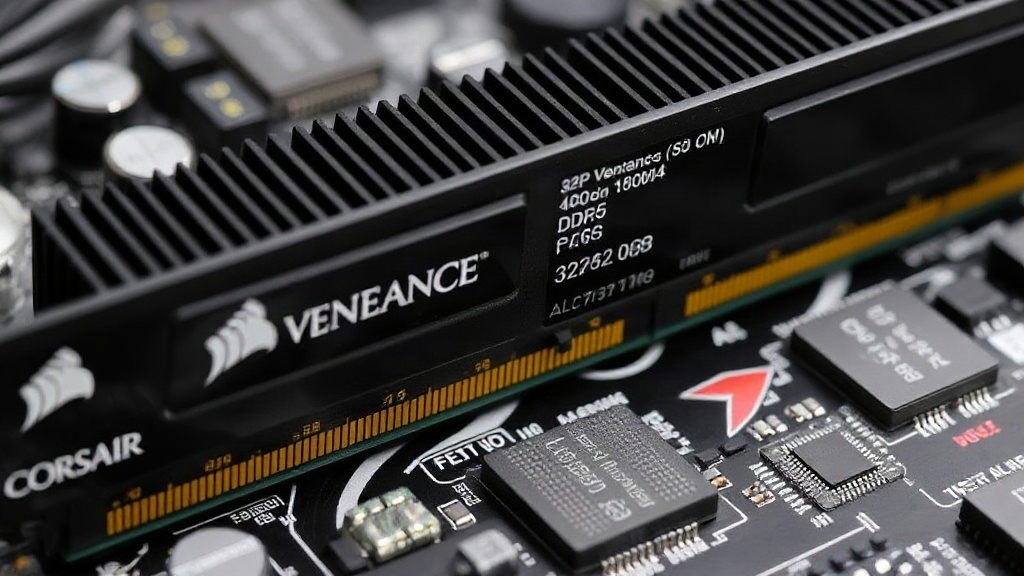
The alternative offering is an RGB-enabled kit, priced at $409.99. This kit, while not explicitly stating its MT/s rating in the provided information, is positioned as a slightly slower option. Typically, RGB implementations can sometimes introduce minor performance penalties due to the added circuitry and power requirements for the lighting effects, or simply be binned for slightly lower clock speeds. However, the $10 price difference for the RGB functionality is minimal, making it an attractive choice for builders who prioritize system aesthetics. Users can often control the RGB lighting through Corsair's iCUE software, allowing for synchronization with other Corsair peripherals and components.
This dual offering strategy allows Corsair to cater to different segments of the market. The non-RGB kit appeals to performance-first builders and those on a strict budget who don't require visual flair. The RGB kit, conversely, targets users who want their components to look as good as they perform, without a significant financial penalty. The fact that even the RGB variant is priced competitively underscores Corsair's aggressive market strategy.
Market Implications and Future Outlook
The current pricing by Corsair suggests a potential shift in the DDR5 market. For a considerable period, DDR5 modules, especially at higher speeds and capacities, have commanded a premium. These new prices from Corsair could force competitors to re-evaluate their own pricing structures. This is particularly relevant as DDR5 adoption continues to grow with newer CPU generations and motherboards exclusively supporting this standard.
The mention of "before memory prices climb further" is an intriguing hint. It could indicate an anticipated increase in raw material costs, supply chain disruptions, or simply a strategic move to capitalize on current market conditions before a general price hike. For consumers, this presents an opportune moment to upgrade or build new systems with faster, more capable memory at a reduced cost. The long-term impact will be a faster acceleration of DDR5 adoption across the board, potentially making DDR4 obsolete in new builds sooner than many expected.
This aggressive pricing also serves Corsair's broader strategy. By offering compelling value on core components like RAM, they can attract new customers into their ecosystem, particularly those who may also be interested in their other PC components, peripherals, and custom cooling solutions. It’s a play to solidify their position as a dominant force in the PC hardware market, making high-performance components accessible and driving sales volume.
Who Benefits from This Price Drop?
The primary beneficiaries are PC builders and gamers seeking to maximize performance without breaking the bank. Building a new PC or upgrading an existing one with 32GB of fast DDR5 RAM at these price points makes high-end configurations more attainable. Enthusiasts who have been waiting for DDR5 prices to mature will find this an ideal entry point.
Furthermore, system integrators and boutique PC builders can now offer more competitive configurations to their clients, integrating high-speed DDR5 memory as standard. This could lead to a proliferation of powerful, modern PCs entering the market at more accessible price points.
The competitive landscape will undoubtedly react. Competitors like G.Skill, Crucial, and Kingston will need to respond with their own price adjustments or risk losing market share, especially in the crucial 32GB kit segment. This price war, if it materializes, would be a boon for consumers across the entire market.