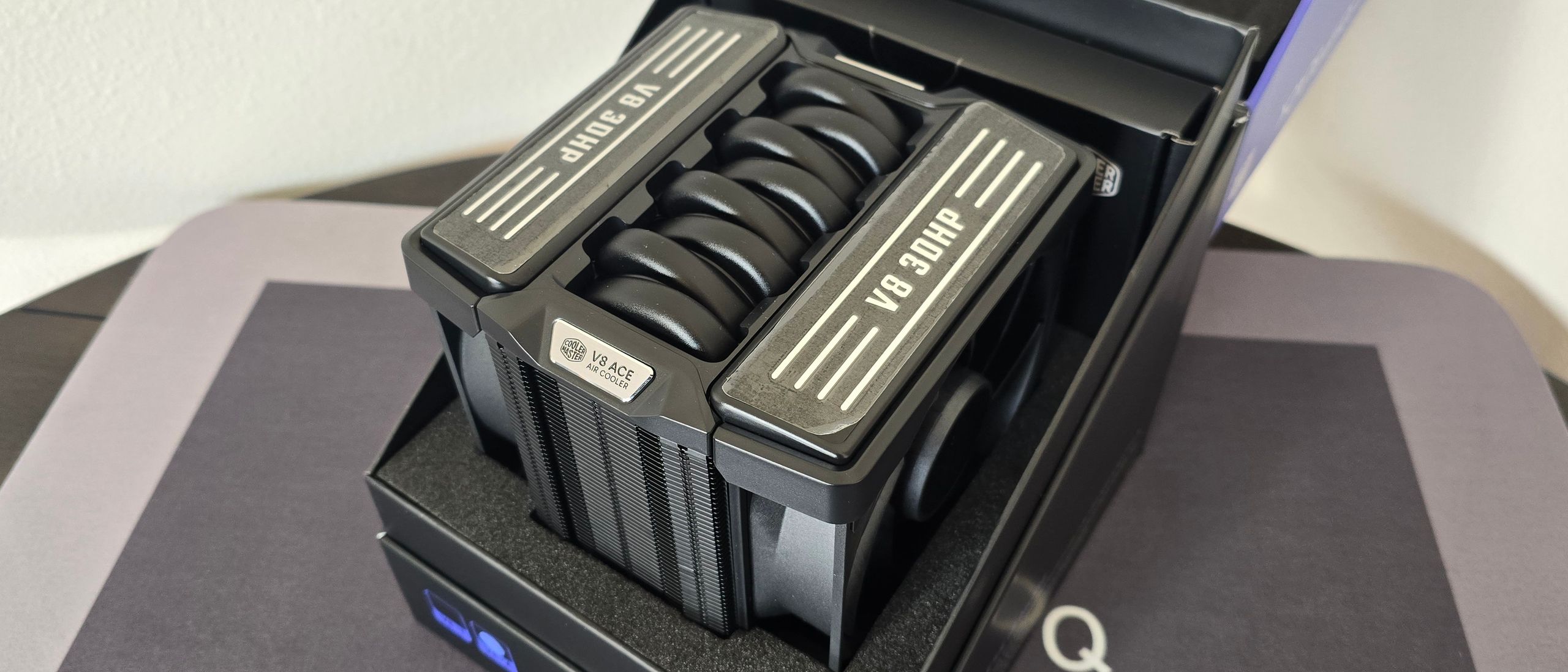
The 3DHP Heatpipe: A New Dimension in Air Cooling
Cooler Master is introducing a significant advancement in air cooling technology with its new V4 and V8 CPU coolers, featuring what they call 3D Heatpipe Direct Press (3DHP) technology. This isn't merely an iterative improvement; it represents a fundamental shift in how heat is transferred away from a CPU. Traditional heatpipes are circular and make contact with the CPU's Integrated Heat Spreader (IHS) at specific points. The 3DHP technology, however, flattens and shapes the heatpipes to create a continuous, larger contact surface directly over the CPU. This design aims to maximize heat absorption and distribution, tackling a long-standing bottleneck in air cooler performance.
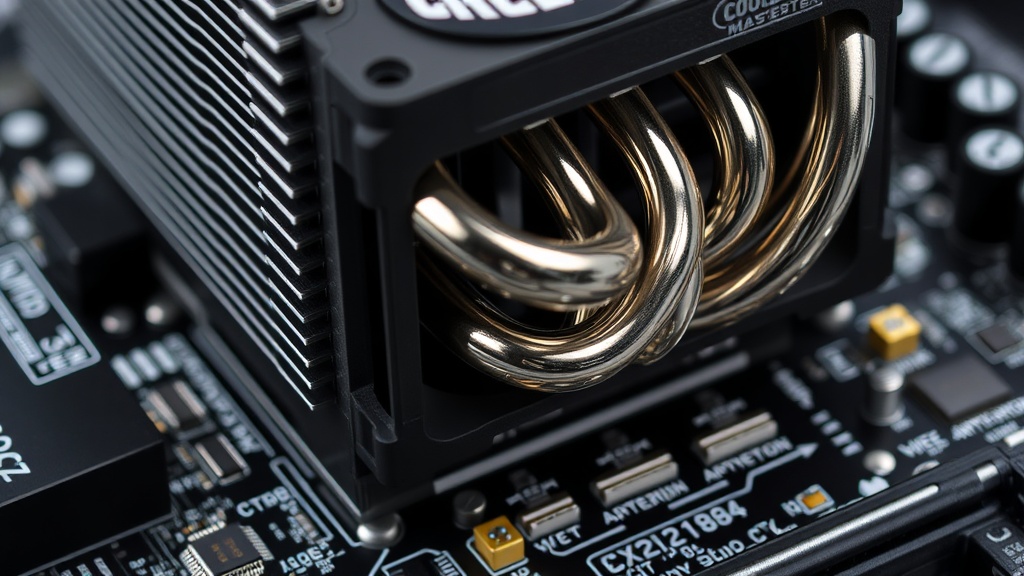
The core concept behind 3DHP is to eliminate the air gaps that inevitably form between a round heatpipe and the flat surface of a CPU's IHS. By pressing the heatpipes into a flat profile and then directly pressing them onto the baseplate, Cooler Master effectively creates a seamless thermal transfer pathway. This is akin to moving from a series of small stepping stones to a solid, wide bridge for heat to traverse. The larger surface area means more of the heat generated by the CPU can be wicked away simultaneously, potentially leading to lower temperatures and quieter operation as the fans don't need to spin as fast to maintain a target temperature.
The V4 and V8 models showcase this technology in different configurations. The V4, a more compact dual-tower design, aims to offer a balance of performance and size. The V8, a larger, more robust dual-tower cooler, is positioned for enthusiasts and users pushing high-performance CPUs, where thermal management is critical. Both coolers utilize multiple of these 3DHP heatpipes, strategically placed to cover the most critical areas of the CPU die.
Engineering and Design: Beyond the Heatpipes
While the 3DHP heatpipes are the headline feature, Cooler Master hasn't neglected other aspects of cooler design. The V4 and V8 both feature aluminum fin stacks designed for optimal airflow. The fin density and spacing are crucial for balancing cooling potential with acoustic performance. Densely packed fins can offer more surface area but may restrict airflow, leading to higher fan speeds and noise. Conversely, widely spaced fins allow for better airflow but provide less surface area for heat dissipation. Cooler Master's engineers have likely spent considerable time optimizing this balance for each cooler model.
The fans included with these coolers are also noteworthy. They are designed to provide high static pressure, essential for pushing air through dense fin stacks, while also maintaining relatively low noise levels. The V4 typically comes with two 120mm fans, while the V8 might feature larger or higher-performance fans, possibly even a push-pull configuration for maximum thermal dissipation. The mounting hardware is also a critical component, ensuring a secure and even application of thermal paste and proper contact pressure between the cooler and the CPU. Cooler Master has a history of providing robust and user-friendly mounting solutions, and these new coolers are expected to continue that trend, supporting a wide range of modern CPU sockets.
The overall construction quality appears to be high, with a focus on durability and efficient thermal transfer. The baseplates are precision-machined to ensure flatness, which is paramount for effective contact with the CPU IHS. The integration of the 3DHP heatpipes into the baseplate is also a key engineering challenge, requiring precise manufacturing processes to ensure a solid, gap-free bond. This direct pressing method, where the heatpipes are formed and then pressed into the base, is a departure from traditional methods of soldering or embedding round pipes.
Performance Benchmarks and Real-World Impact
Early reviews suggest that the 3DHP technology delivers on its promise of improved thermal performance. In benchmarks, the V4 and V8 coolers have shown the ability to maintain lower CPU temperatures compared to similarly sized coolers that rely on traditional heatpipe designs. This difference can be particularly pronounced under sustained heavy loads, such as during prolonged gaming sessions, video rendering, or complex scientific simulations. For users with high-end CPUs that tend to run hot, such as Intel's Core i9 or AMD's Ryzen 9 series, these coolers could offer a tangible benefit in terms of thermal headroom and performance stability.
The improved thermal transfer efficiency also translates to quieter operation. When a cooler can dissipate heat more effectively, its fans do not need to spin as rapidly to keep the CPU within its operating temperature limits. This means that even under load, the V4 and V8 could potentially be quieter than older or less efficient air coolers. This is a significant consideration for users who prioritize a quiet computing experience, whether for work, gaming, or general use.
However, this advanced engineering comes at a cost. The V4 and V8 coolers are positioned at a premium price point. The manufacturing processes required for the 3DHP technology are more complex and likely more expensive than those for traditional heatpipes. This premium pricing places them in direct competition with high-end air coolers from established brands and even some entry-level to mid-range All-in-One (AIO) liquid coolers. The decision for a consumer to invest in these coolers will depend on their specific needs, budget, and tolerance for early adoption costs associated with new technologies.
Market Implications and the Future of Air Cooling
Cooler Master's introduction of 3DHP technology is a bold statement in the air cooling market, which has seen incremental improvements for years. This innovation challenges the status quo and could force competitors to re-evaluate their own heatpipe designs and thermal transfer strategies. If the 3DHP technology proves to be as effective and reliable as early indications suggest, it could become the new standard for high-performance air coolers.
The success of the V4 and V8 will also depend on their long-term reliability and the market's acceptance of their premium pricing. As with any new technology, there's always a risk associated with early adoption. Consumers are paying for the cutting edge, and the industry will be watching closely to see if the performance gains justify the investment. What remains to be seen is how quickly competitors can replicate or counter this innovation, and whether Cooler Master can scale production to meet potential demand while maintaining quality and controlling costs.
Ultimately, the V4 and V8 3DHP coolers represent a significant step forward for air cooling. They demonstrate that even in a mature market, there is still room for substantial engineering innovation. For enthusiasts and professionals seeking the best possible thermal performance from an air cooler, these new offerings from Cooler Master are undoubtedly worth serious consideration, provided the price aligns with their expectations and needs.