Introducing Codex App Server: Programmatic Control for Codex Agents
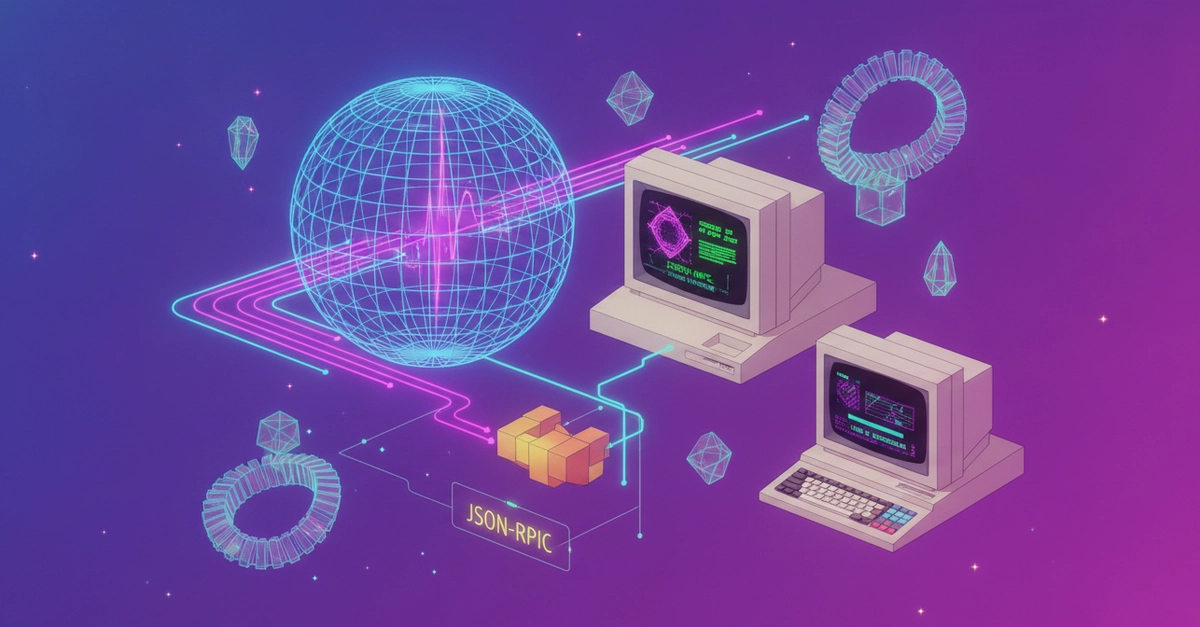
OpenAI’s Codex, a powerful AI model for code generation and understanding, has primarily been accessible through its command-line interface (CLI). This approach, while functional, limits its integration into broader development workflows and custom applications. Now, the newly released Codex App Server changes this paradigm by exposing Codex agents through a JSON-RPC interface. This allows developers to control Codex programmatically, paving the way for custom graphical user interfaces (GUIs), terminal user interfaces (TUIs), task queues, and sophisticated orchestration layers.
Think of it less like a standalone tool you run from your terminal and more like a service you can call upon, much like interacting with a database or a microservice. The Codex App Server acts as a bridge, translating your programmatic requests into actions performed by the Codex agent.
This shift is significant for anyone looking to embed AI-powered coding assistance or generation directly into their development environments or automated systems. Instead of manually typing commands, developers can now send structured JSON requests to the server, which then relays them to the Codex agent. The results are returned through the same JSON-RPC channel, making it straightforward to integrate Codex capabilities into existing or new software projects.
Getting Started with Codex App Server
Initiating the Codex App Server is remarkably straightforward. The process requires a single command executed in your terminal:
codex app-server
Upon execution, the server automatically begins listening for incoming requests on standard input. This means that all communication—both sending requests and receiving responses—happens through the server's input and output streams. The protocol used is technically JSONL (JSON Lines), where each line represents a complete JSON object, ensuring that requests and responses are clearly delimited and easy to parse.
The simplicity of this setup means that developers can have a fully functional, programmatically controllable Codex agent running within seconds. This immediate accessibility is crucial for rapid prototyping and integration efforts. The server handles the underlying complexities of agent management and communication, allowing users to focus on defining the interactions they need.
Understanding the JSON-RPC Protocol
The core of the Codex App Server's functionality lies in its adherence to the JSON-RPC 2.0 specification. This standard provides a stateless, light-weight remote procedure call protocol encoded in JSON. It defines a simple structure for making requests and receiving responses, making it ideal for inter-process communication and network services.
A typical JSON-RPC request object includes the following key fields:
jsonrpc: A string specifying the version of the JSON-RPC protocol used, usually "2.0".method: A string identifying the method to be invoked on the server. For Codex App Server, these methods correspond to actions you want the Codex agent to perform (e.g., generating code, explaining code, completing a prompt).params: An array or object containing the parameters required by the method. These parameters would be specific to the Codex agent's capabilities.id: An identifier for the request. This can be a string or a number, and the server uses it to associate responses with their corresponding requests.
The server responds with a JSON object that typically includes:
jsonrpc: The version of the JSON-RPC protocol.result: The data returned by the invoked method, if the call was successful. For Codex, this could be generated code, an explanation, or other relevant output.error: An object containing information about an error that occurred during the execution of the method, if applicable.id: The identifier of the request to which this response corresponds.
The use of JSONL means that each request and response is a self-contained JSON object on its own line. This format is particularly useful for streaming data and handling asynchronous operations, as it simplifies parsing when multiple messages are sent over a single connection.
Building Custom Interfaces and Workflows
The true power of the Codex App Server is unlocked when developers start building custom applications on top of it. The ability to control Codex via JSON-RPC opens up a vast array of possibilities:
Graphical User Interfaces (GUIs)
Developers can create bespoke GUIs tailored to specific coding tasks or team needs. Imagine an IDE plugin that uses Codex to suggest refactorings directly within the editor, or a web application where users can describe their desired code snippet in natural language and receive generated code without ever touching a terminal.
Terminal User Interfaces (TUIs)
For developers who prefer the command line, TUIs can offer a more interactive and structured experience than the standard CLI. A TUI could provide a persistent interface for code generation, allowing users to iterate on prompts, view generated code side-by-side with existing code, and manage multiple Codex agent interactions simultaneously.
Task Queues and Orchestration
In more complex software development pipelines, Codex App Server can be integrated into task queues (like Celery or RQ) or orchestration tools. This enables automated code generation as part of a CI/CD process, automated documentation generation, or even the creation of AI agents that can perform multi-step coding tasks autonomously. For instance, a system could be designed to automatically generate unit tests for new code commits by sending requests to a Codex agent managed by the app server.
Integration with Existing Tools
Beyond custom builds, the JSON-RPC interface makes it easier to integrate Codex into existing development tools and platforms. Any tool capable of sending JSON-RPC requests can now leverage Codex's capabilities. This could include scripting languages, automation frameworks, or even other AI models that need to generate or analyze code.
The Future of Codex Integration
The introduction of Codex App Server marks a pivotal step in making advanced AI code models more accessible and embeddable. By abstracting the complexities of agent interaction behind a standardized JSON-RPC protocol, OpenAI is empowering a new generation of developers to build innovative applications and workflows powered by Codex. This move democratizes access to powerful AI coding capabilities, moving them from the realm of specialized CLI tools to integral components of broader software development ecosystems. The implications for productivity, automation, and the future of software creation are substantial.