
From Data Sets to Digital Worlds
The vast ocean of public data, often perceived as dry and inaccessible, can be a fertile ground for innovation. Alex Thorne, a former conservationist, has proven this by transforming 40 terabytes of government data into an ambitious open-world simulation video game. This project, born from a passion for environmentalism and a burgeoning interest in game development, represents a unique intersection of data science, public policy, and interactive entertainment. Thorne’s endeavor, initially a personal exploration, has evolved into a compelling demonstration of how complex datasets can be rendered comprehensible and engaging for a broad audience.
The core of Thorne’s work lies in his ability to sift through and interpret enormous quantities of information. Government agencies worldwide collect and publish data on everything from land use and climate patterns to species migration and resource distribution. While invaluable for researchers and policymakers, this data is often presented in technical formats that deter general public engagement. Thorne’s approach bypasses traditional reporting methods, instead opting for the immersive and interactive medium of a video game. This allows players to not only witness the simulated consequences of environmental policies but also to directly influence them within the game’s dynamic world.
The Technical Alchemy of Public Data
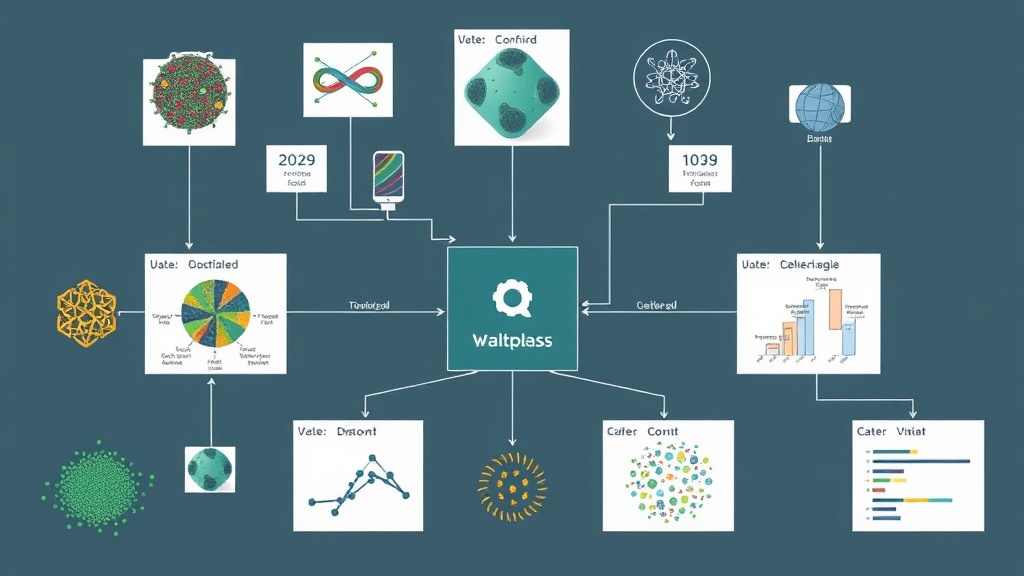
The sheer scale of 40 terabytes is difficult to conceptualize. To put it in perspective, it would take an average person, downloading a new 50MB movie every day, over 200 years to download that much data. Thorne’s challenge was not just in downloading this data, but in processing, cleaning, and structuring it for use in a game engine. This involved a deep dive into various data formats, scripting languages, and database management techniques. The process likely required significant computational resources and a robust understanding of data pipelines to handle the ingestion and transformation of such a massive volume of information.
Thorne’s background as a conservationist provided him with a unique lens through which to view this data. He understood the real-world implications of the numbers and graphs, the ecological systems they represented, and the policy decisions they informed. This domain expertise was crucial in identifying which datasets were most relevant and how they could be best translated into game mechanics. For instance, data on deforestation rates could inform the simulation of habitat loss for virtual species, while climate data could drive in-game weather patterns and their effects on agricultural yields. The game is not merely a visualization; it’s a simulation built upon real-world environmental dynamics.
Beyond Visualization: An Interactive Experience
What sets Thorne’s project apart is its interactive nature. Instead of passively consuming information, players are invited to actively participate in a simulated ecosystem. They can make decisions that mirror real-world policy choices, such as investing in renewable energy, managing natural resources, or implementing conservation strategies. The game then simulates the cascading effects of these decisions on the virtual environment, its inhabitants, and its economy. This creates a powerful learning experience, fostering a deeper understanding of complex environmental issues and the interconnectedness of ecological, social, and economic systems.
The game's open-world design means players have the freedom to explore, experiment, and learn at their own pace. This contrasts sharply with traditional educational materials or data dashboards, which can often be rigid and unengaging. By leveraging the immersive qualities of video games, Thorne has found a way to make data-driven storytelling accessible and compelling. The potential applications are far-reaching, from educational tools for students to sophisticated simulation platforms for urban planners and environmental scientists. The surprising success of this personal project highlights a gap in how public data is currently communicated and engaged with.
The Future of Data Engagement
Thorne’s work offers a glimpse into the future of data engagement. As the volume of publicly available data continues to explode, innovative methods for interpretation and dissemination will become increasingly critical. Turning raw data into interactive experiences like video games could democratize access to complex information, empowering citizens to make more informed decisions and participate more effectively in public discourse. This approach moves beyond simple charts and graphs, offering a dynamic and visceral understanding of the world around us.
The project also raises questions about the role of individual initiative in leveraging public resources. Thorne, working independently, has created a tool that could potentially rival the impact of larger, more formally funded data visualization projects. His success underscores the power of passion, technical skill, and a creative vision to unlock the hidden potential within seemingly mundane datasets. The challenge now is to see if this model can be scaled and replicated, transforming more of our collective data into tools for understanding and action.