
The Core Distinction: Data Structure vs. Pixels
Programmatic image generation has exploded, but a fundamental fork in the road often goes unaddressed. Teams frequently default to diffusion models for tasks that aren't truly image-centric, incurring unnecessary costs and workflow complications. The crucial insight is to recognize that a diagram is not a picture; it's a visible data structure. Treating it as a collection of pixels leads to 'pixel prices' – typically $0.02 to $0.20 per diffusion render, with no source file and no easy way to fix a typo without a full regeneration or an external editing step.
This reflexively applies to diagrams, charts, dashboards, and even simple labeled boxes. These elements are often better served by a different approach: code generation.
The alternative path involves using a Large Language Model (LLM) to write code. This code then drives a renderer, which produces the image. This method bypasses the per-render fee associated with diffusion models. While the initial generation is probabilistic, the resulting code artifact is not. Once stored, this code is repeatable, editable, and diffable, offering a robust and cost-effective workflow for structured visual data.
This field guide aims to clarify which path to take based on three key questions, ultimately guiding you toward the most efficient and cost-effective solution for your programmatic image generation needs.
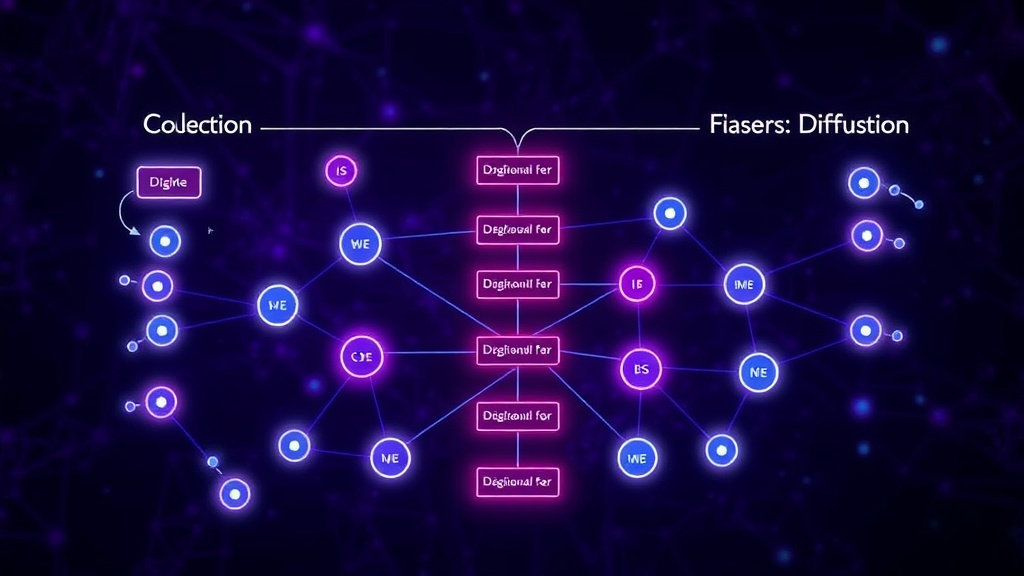
Question 1: Is the Output Primarily Informational or Aesthetic?
The first and most critical question to ask is about the primary purpose of the generated output. If the goal is to convey specific data, relationships, or structured information – such as a flowchart, a bar chart, a network diagram, or a dashboard element – then code-based generation is almost certainly the superior choice. These outputs are fundamentally about precision and clarity of information. The visual representation is a byproduct of the data it represents.
Consider a simple organizational chart. You need to show reporting lines, names, and titles. A diffusion model might generate a visually pleasing graphic, but correcting a name or a reporting structure requires re-running the model, potentially yielding a slightly different result each time, and incurring a cost. A code-based approach, however, would represent the chart as a data structure (e.g., a JSON object defining nodes and edges) and a rendering script. Editing a name is a simple text change in the source data, and re-rendering is instantaneous and free. The source artifact (the code and data) is the definitive record, not a pixel blob.
Conversely, if the primary goal is aesthetic appeal, originality, or evoking a specific mood or style that is difficult to define with precise rules – think concept art, marketing imagery, or unique textures – then diffusion models are the appropriate tool. These models excel at generating novel and visually rich outputs based on learned patterns from vast datasets of images.
Question 2: How Editable and Repeatable Does the Output Need to Be?
The second question concerns the long-term manageability and editability of the generated asset. If you anticipate needing to make minor adjustments, iterate on designs, or maintain precise version control, a code-based approach offers significant advantages. The source code acts as a definitive, human-readable, and machine-editable representation of the image. This means you can:
- Edit with precision: Change a single label, a color value, or a line thickness without affecting other elements.
- Version control: Store the code in Git, track changes, revert to previous versions, and collaborate with others using standard development workflows.
- Automate updates: If the underlying data changes, the code can be programmatically updated and re-rendered, ensuring consistency across multiple assets.
Diffusion models, by their nature, produce pixel data. While techniques like inpainting and outpainting offer some editing capabilities, they are often less precise and can introduce artifacts. Furthermore, the