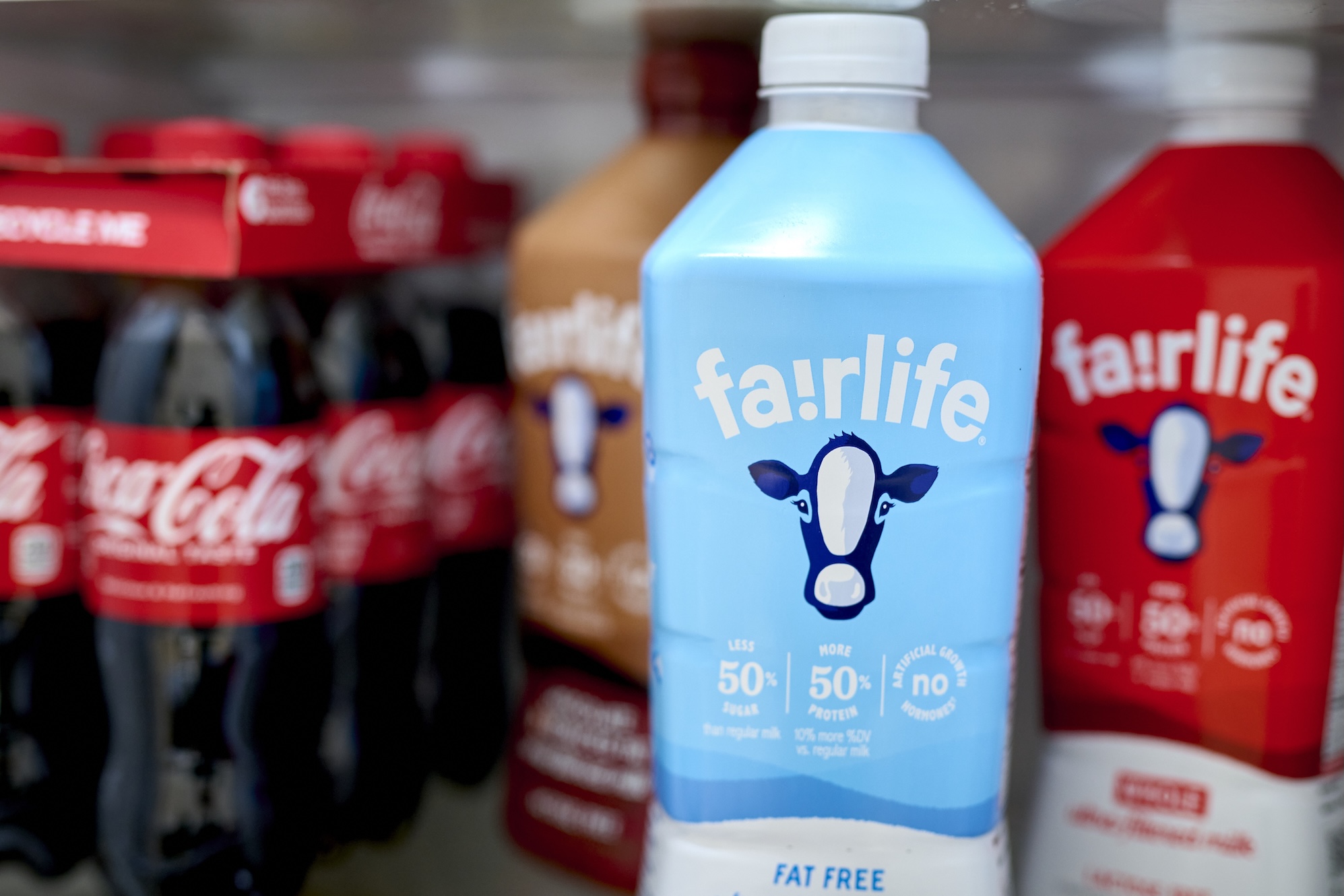
Ransomware Attack Disrupts Fairlife Operations
The Coca-Cola Company has confirmed that a significant ransomware attack has crippled operations at its Fairlife dairy subsidiary. The incident has led to a temporary but complete suspension of all Fairlife product production across the United States. This disruption impacts a key player in the U.S. dairy market, raising concerns about supply chain resilience and the growing threat of cyberattacks on critical infrastructure.
Fairlife, known for its ultra-filtered milk and dairy-based beverages, operates multiple production facilities in the U.S. The ransomware attack, details of which have not been fully disclosed by Coca-Cola or Fairlife, has rendered these facilities unable to continue normal operations. The company stated that production would remain suspended until it could fully restore its systems and ensure the integrity of its operations and product safety. The exact timeline for resuming production has not been provided, leaving consumers and business partners uncertain about product availability.
The attack highlights the increasing sophistication and impact of ransomware campaigns targeting large corporations. While the specific ransomware strain and the threat actor behind the attack remain unconfirmed, the resulting operational halt signifies a severe breach. The immediate consequence is a disruption in the supply of Fairlife products to retailers and consumers nationwide. This could lead to stock shortages and potential revenue losses for both Fairlife and its parent company, Coca-Cola.
Supply Chain Vulnerabilities Exposed
The incident underscores the pervasive vulnerabilities within modern supply chains, particularly those involving food and beverage production. These operations often rely on interconnected digital systems for everything from farm management and processing to logistics and distribution. A successful ransomware attack can cascade through these systems, causing widespread disruption far beyond the initial point of compromise. For a company like Fairlife, which emphasizes freshness and rapid distribution for its specialized dairy products, any interruption in this chain can have significant consequences.
Think of Fairlife's supply chain less like a single tap delivering water, and more like an intricate network of pipes, pumps, and reservoirs, all needing to function in sync. A single critical valve being jammed by ransomware can stop the entire flow, not just at the source, but all the way to the consumer's table. The complexity of managing such a network, especially with the integration of IoT devices on farms and advanced processing technologies, creates numerous potential entry points for cyber adversaries.
The decision to suspend all production is a precautionary measure, likely aimed at preventing further data compromise, ensuring the safety and quality of existing inventory, and allowing security teams to conduct a thorough investigation and remediation. The cost of such a shutdown extends beyond immediate lost sales. It includes the expense of incident response, system recovery, potential regulatory fines, and the long-term damage to brand reputation and consumer trust. For Coca-Cola, which acquired a controlling stake in Fairlife in 2020, this incident represents a significant operational and security challenge.
Ransomware's Growing Threat to Food Production
This event is not an isolated incident. The food and beverage industry has become an increasingly attractive target for cybercriminals. The critical nature of food supply chains means that any disruption can have immediate and severe consequences, often compelling organizations to pay ransoms to restore operations quickly. The FBI has previously warned about an increase in ransomware attacks targeting agricultural cooperatives and food processing companies.
The implications for the broader food security landscape are considerable. As operations become more digitized and interconnected, the attack surface for cyber threats expands. This necessitates a robust cybersecurity strategy that includes not only technical safeguards like firewalls and intrusion detection systems but also comprehensive incident response plans, regular security audits, and extensive employee training. The ability to quickly detect, contain, and recover from an attack is paramount.
What remains unclear is the extent of data exfiltration. Beyond operational disruption, ransomware attacks often involve the theft of sensitive data, including customer information, proprietary business processes, and financial records. If such data has been compromised, Fairlife and Coca-Cola could face additional challenges related to data privacy regulations and potential lawsuits. The attackers' motives might extend beyond simply demanding a ransom for encrypted data; they could also aim to profit from selling stolen information on the dark web.
The company's response, emphasizing the temporary suspension and commitment to system restoration, suggests a focus on regaining control and ensuring operational integrity. However, the duration of the suspension and the full scope of the damage will only become apparent as the investigation progresses. This incident serves as a stark reminder to all businesses, especially those in critical sectors, that cybersecurity is not merely an IT issue but a fundamental business continuity imperative.