The Problem: Unidirectional Reminders Fail Patients
Traditional appointment reminder systems operate like a broken telephone line. They send out a notification, often via email or SMS, and then cease to function. If a patient needs to reschedule, their response – a simple reply indicating a need to move the appointment to another day – typically falls into a digital void. These replies either land in unmonitored ".noreply" inboxes or end up in a crowded shared mailbox that requires manual human intervention to sort and act upon. The reminder system has fulfilled its basic function, but the crucial task of rescheduling is lost, leading to missed appointments and administrative overhead.
This one-way communication model is not only inefficient but also frustrating for patients who expect a more interactive and responsive service. In an era where personalized digital experiences are the norm, a static reminder system feels archaic and fails to meet user expectations for modern healthcare communication.
The Solution: An Agent Account for Autonomous Action
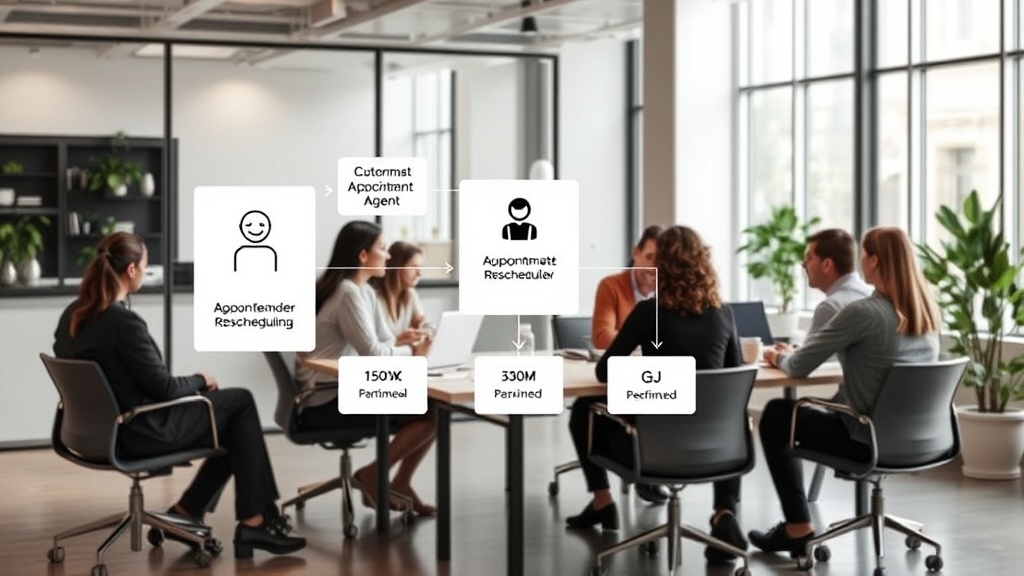
The core innovation lies in shifting from a passive notification system to an active, intelligent agent. This agent is designed to understand patient replies and take direct action. When a patient writes back requesting to move their appointment, the agent should be capable of autonomously rescheduling the event directly on its own calendar. Following the rescheduling, it must send an updated invitation to the patient and confirm the change within the same email thread, all without requiring human intervention for these routine requests. This transforms the reminder from a mere notification into a functional scheduling tool.
This capability is enabled by what is termed an Agent Account. An Agent Account is not tied to a specific human user; instead, it represents a dedicated mailbox and calendar belonging to the application itself. It possesses its own unique email address, such as reminders@clinic.yourapp.nylas.email, allowing it to send and receive emails and manage calendar events programmatically. This separation is critical: it ensures that the application's automated functions are distinct from individual employee inboxes, preventing critical communication from getting lost in personal or team workflows.
Technical Implementation: Leveraging Nylas for Agent Accounts
The implementation of such an agent hinges on robust integration with a platform that supports programmatic access to email and calendar functionalities. Nylas, a leading platform for communication APIs, provides the foundational technology for creating and managing these Agent Accounts. By integrating with Nylas, applications can:
- Create Dedicated Mailboxes: Provision unique email addresses for the agent, enabling it to send and receive messages as an application entity.
- Access Calendars Programmatically: Integrate with calendar services (like Google Calendar, Outlook, etc.) to read, create, update, and delete events on behalf of the agent.
- Parse Incoming Emails: Utilize natural language processing (NLP) or keyword-based parsing to identify patient intent within email replies, specifically requests to reschedule.
- Automate Responses: Generate and send updated calendar invitations and confirmation messages back to the patient, maintaining context within the original conversation thread.
The process typically involves setting up a webhook with Nylas to receive incoming emails to the agent's address. When an email arrives, the application's backend processes it. If the email contains a rescheduling request, the application uses the Nylas Calendar API to find available slots, modify the existing appointment, or create a new one, and then sends the updated invite. This entire workflow can be executed within seconds, offering a seamless experience for the patient.
Beyond Basic Reminders: The Value Proposition
The true value of an agent that can reschedule appointments extends far beyond simple automation. It addresses several critical pain points in healthcare administration and patient experience:
- Reduced No-Shows: By making it easy for patients to reschedule rather than simply not showing up, clinics can significantly reduce costly missed appointments. A patient who can't make their original slot is more likely to keep a rescheduled one, especially if the process is frictionless.
- Improved Patient Satisfaction: Offering a responsive and convenient rescheduling option enhances the patient experience. It conveys that the clinic values the patient's time and is equipped to handle their needs efficiently.
- Lower Administrative Burden: Automating routine rescheduling tasks frees up administrative staff from tedious manual triage and coordination. They can then focus on more complex patient needs or other critical tasks, improving overall clinic efficiency.
- Enhanced Data Integrity: By directly updating the calendar, the system ensures that the clinic's schedule is always accurate and up-to-date, minimizing the risk of double-bookings or scheduling conflicts.
This system is not merely an upgrade; it represents a fundamental shift in how appointment management software interacts with users. It moves from a notification tool to a conversational interface capable of executing complex actions. Think of it less like a simple calendar alert and more like a highly efficient, always-available administrative assistant who understands the nuances of scheduling requests and can act on them instantly.
Future Implications and Considerations
The concept of Agent Accounts and autonomous communication agents has broad implications beyond clinic appointment management. Similar systems could be deployed for:
- Service Dispatch: Automatically reassigning service requests based on technician availability or customer feedback.
- Sales Follow-ups: Scheduling product demos or follow-up calls based on prospect engagement.
- Customer Support: Automatically creating support tickets or escalating issues based on initial customer contact.
However, implementing such agents requires careful consideration of security, privacy, and error handling. Ensuring that the agent only acts on legitimate requests and maintains data security is paramount. Robust logging and auditing mechanisms are necessary to track all automated actions. Furthermore, defining clear fallback procedures for complex or ambiguous requests that require human judgment is essential. What happens when a patient replies with a vague request, or asks to reschedule multiple appointments at once? These edge cases need to be anticipated and managed effectively.
The development of clinic reminder agents that can actually move appointments marks a significant step towards more intelligent and user-centric healthcare technology. It transforms a passive communication channel into an active, problem-solving tool, benefiting both patients and healthcare providers.