Introduction to Cross-Datacenter Replication
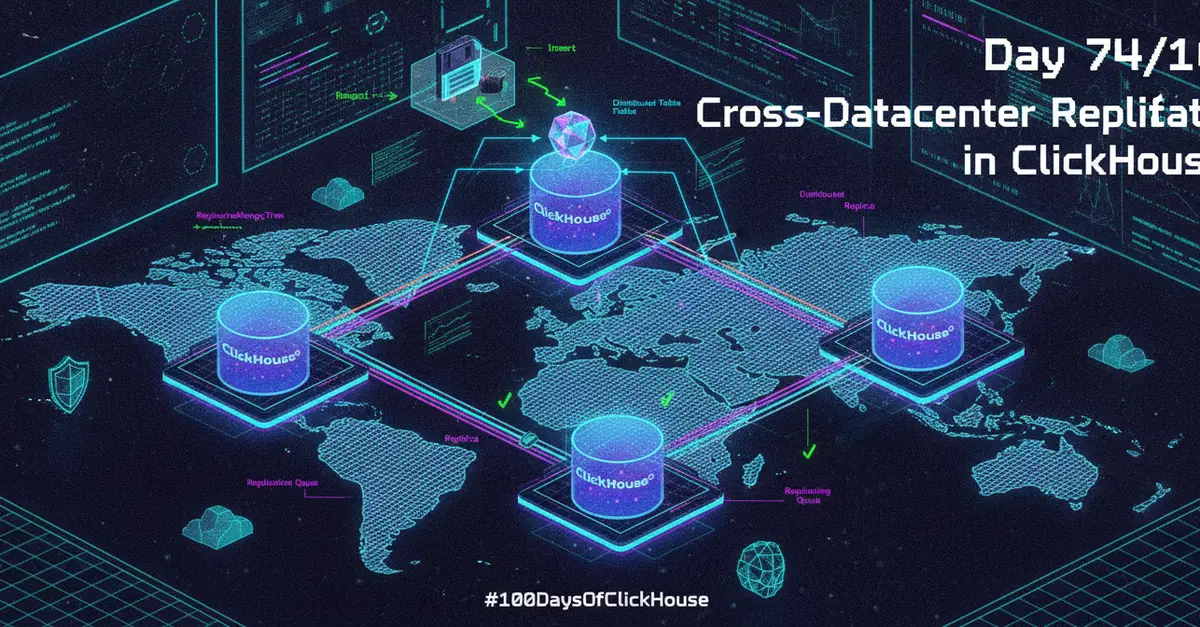
In today's globally distributed application landscape, ensuring high availability, minimizing latency, and guaranteeing business continuity are paramount. Cross-datacenter replication is no longer a luxury but a necessity for applications that need to operate seamlessly across multiple geographical regions. Whether the goal is to implement a robust disaster recovery strategy, enable multi-region analytics for faster insights, or simply serve end-users from a data center geographically closer to them, replicating data across different data centers is a critical architectural requirement.
ClickHouse®, renowned for its high-performance analytical query capabilities, addresses this need through its ReplicatedMergeTree table engine. This engine, when deployed within a distributed ClickHouse cluster and coordinated by a service like ClickHouse Keeper, allows organizations to maintain synchronized, consistent copies of their data across multiple data centers. This setup not only ensures data redundancy but also maintains the ability to perform complex analytical queries with low latency, regardless of the user's location or the health of any single data center.
Architectural Components for Replication
The foundation of cross-datacenter replication in ClickHouse rests on two key components: the ReplicatedMergeTree table engine and ClickHouse Keeper. The ReplicatedMergeTree engine is an extension of the standard MergeTree engine, designed specifically for fault-tolerant data replication. It ensures that data written to one replica is eventually propagated to all other replicas in the cluster.
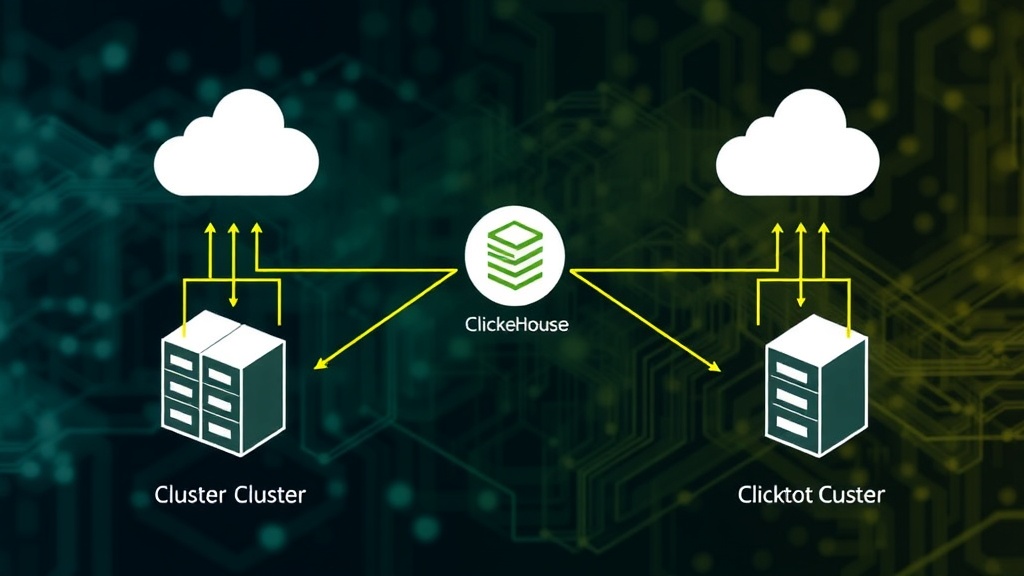
ClickHouse Keeper, a distributed coordination service inspired by Apache ZooKeeper, plays a crucial role in managing the state of replicated tables. It handles tasks such as electing leaders, managing metadata, and coordinating data propagation. In a cross-datacenter setup, each data center would typically host a ClickHouse cluster, and these clusters would be configured to replicate data between them. Keeper ensures that all nodes in the distributed system agree on the state of the replicated data, even in the face of network partitions or node failures.
How Cross-Datacenter Replication Works
When a new batch of data is inserted into a ReplicatedMergeTree table on one replica, the following process generally occurs:
- The data is written locally to the replica.
- An entry representing this write operation is added to a shared replication log, which is managed and stored by ClickHouse Keeper.
- Other replicas periodically poll Keeper for new entries in the replication log.
- Upon detecting new log entries, replicas fetch the necessary data parts from the source replica (or directly from Keeper if parts are stored there).
- The fetched data is then merged into the local table, ensuring consistency across all replicas.
This asynchronous replication model allows ClickHouse to maintain high write throughput. While data is eventually consistent across all data centers, there might be a small delay before the latest data appears on all replicas. This delay is typically measured in seconds or minutes, depending on network latency and cluster load.
Benefits of Cross-Datacenter Replication
Implementing cross-datacenter replication with ClickHouse offers several significant advantages:
High Availability and Disaster Recovery
The primary benefit is enhanced availability. If an entire data center experiences an outage due to hardware failures, natural disasters, network failures, or planned maintenance, other data centers can continue to serve requests without interruption. This ensures business continuity and minimizes downtime.
Reduced Latency
By placing data replicas closer to end-users in different geographical regions, applications can significantly reduce query latency. Users experience faster response times as data is accessed from a local or nearby data center, leading to a better user experience.
Multi-Region Analytics
For organizations operating globally, having data replicated across regions enables localized analytical processing. This can be crucial for regional teams that need to analyze local data without incurring high cross-region data transfer costs or latency. It also facilitates compliance with data residency regulations.
Considerations for Implementation
While powerful, implementing cross-datacenter replication requires careful planning:
- Network Bandwidth and Latency: Significant bandwidth is needed between data centers to ensure timely replication. High latency can impact the speed of consistency.
- ClickHouse Keeper Setup: A robust and fault-tolerant ClickHouse Keeper ensemble is critical. It is recommended to have Keeper nodes distributed across multiple availability zones or even data centers for maximum resilience.
- Replication Lag Monitoring: It is essential to monitor replication lag to understand the consistency status of data across replicas. ClickHouse provides metrics and tools for this purpose.
- Schema Management: Changes to table schemas must be applied carefully and consistently across all replicas to avoid replication conflicts.
- Disaster Recovery Testing: Regularly test failover and recovery procedures to ensure they function as expected during an actual disaster.
ClickHouse's architecture, leveraging ReplicatedMergeTree and ClickHouse Keeper, provides a potent solution for organizations needing to replicate their analytical data across multiple data centers. This capability is vital for building resilient, high-performance, and globally available data platforms.