AI's Growing Role in Software Development
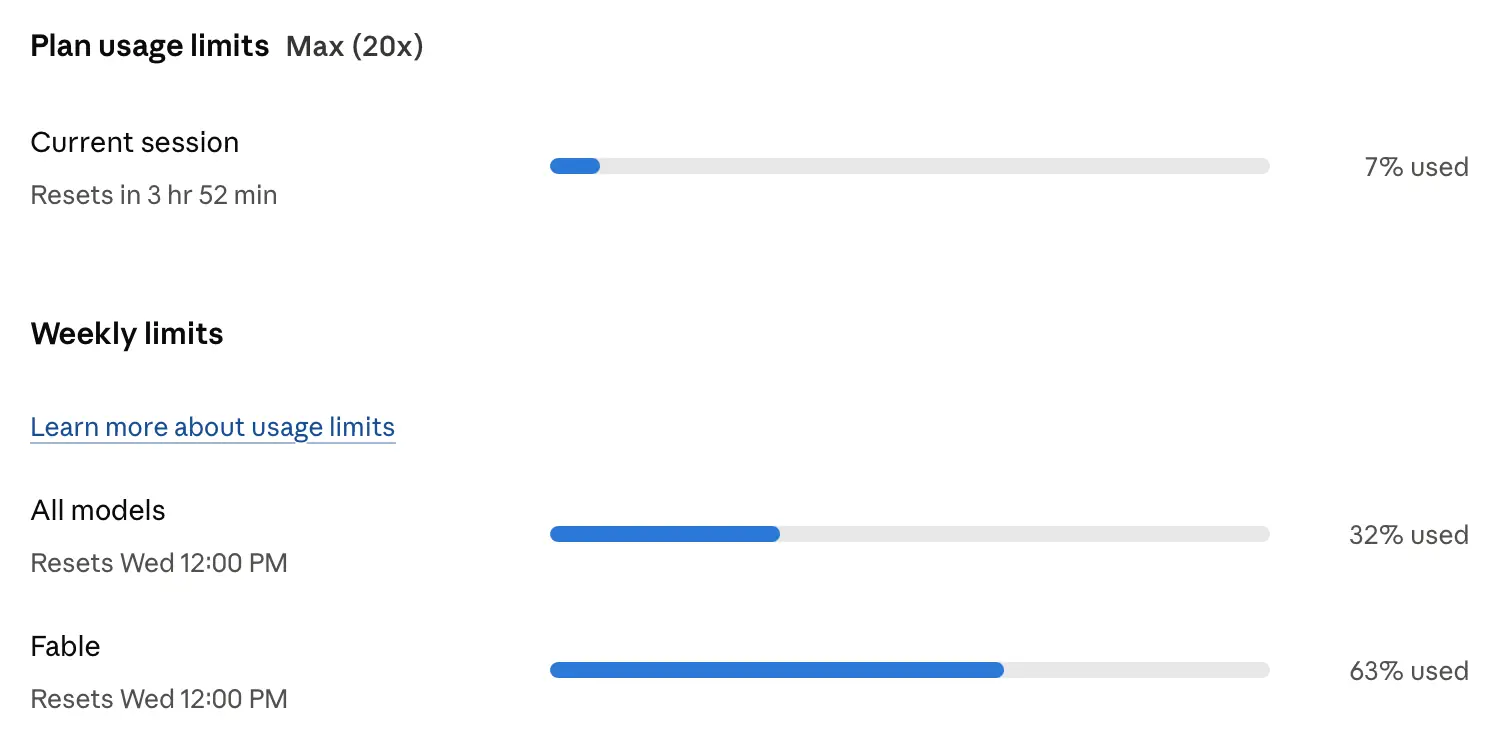
The latest release candidate for the popular Python library, sqlite-utils, version 4.0rc2, marks a significant milestone in the collaboration between human developers and artificial intelligence. Approximately 85% of the code for this release was generated with the assistance of AI, primarily through the use of Claude Fable, a large language model developed by Anthropic. This development, costing around $149.25 for the AI's contribution, highlights the increasing viability of AI as a tool for producing production-ready software.
Simon Willison, the creator of sqlite-utils, has been transparent about the process. He emphasizes that the AI did not simply write code in isolation. Instead, Willison provided extensive prompts, guidance, and iterative feedback, effectively acting as a director for the AI's coding efforts. This approach underscores that AI-driven development is not about replacing developers but augmenting their capabilities, allowing them to focus on higher-level design, problem-solving, and quality assurance.
The cost of $149.25 represents the direct expenditure on AI services for this specific release. While this figure might seem small, it points to a scalable model where the cost of AI assistance is becoming a quantifiable and manageable part of the software development lifecycle. For developers and open-source projects, this offers a path to accelerate development without necessarily increasing human resource expenditure proportionally.
Key Features and AI Contributions
While the exact breakdown of AI-generated versus human-written code is detailed in the project's development logs, the impact of AI is evident across various aspects of the 4.0rc2 release. The AI was instrumental in refactoring existing code, implementing new utility functions, and generating comprehensive test suites. This frees up Willison to concentrate on architectural decisions, performance optimizations, and the overall user experience of sqlite-utils.
The library itself is a powerful tool for working with SQLite databases from the command line and Python. It simplifies common tasks such as creating tables, inserting data, querying databases, and managing schema migrations. The advancements in 4.0rc2 are expected to further streamline these operations, making SQLite an even more accessible and powerful choice for data management.
One of the most surprising aspects of this AI-assisted development is the quality and complexity of the code generated. While early AI coding tools often produced rudimentary or buggy code, the sophistication of models like Claude Fable allows for the generation of more robust and idiomatic Python code. This is not just about generating lines of code; it's about generating code that adheres to best practices and integrates seamlessly with existing projects.
Implications for the Future of Open Source
This development has profound implications for the open-source community. Projects that often struggle with limited developer bandwidth can potentially leverage AI to maintain momentum, introduce new features, and improve code quality. The low cost associated with this specific AI contribution makes it an attractive option for maintainers of popular libraries and tools.
What remains to be seen is how this model scales to larger, more complex projects. While sqlite-utils is a well-defined and mature library, applying AI to the development of massive enterprise-level software introduces new challenges related to system architecture, long-term maintainability, and the integration of AI-generated components with legacy systems. The current success is a powerful proof-of-concept, but broader adoption will require further refinement of AI prompting techniques and AI code review processes.
The human element remains critical. Willison's role as the architect and overseer of the AI's work is a testament to the fact that AI is a tool, not a replacement. Developers will transition into roles that involve more strategic thinking, prompt engineering, and validation. The ability to effectively guide and direct AI will become a key skill.
This release candidate is not just an update to a Python library; it's a glimpse into a future where AI and human developers work in tandem, accelerating innovation and making software development more accessible and efficient. The $149.25 spent on Claude Fable's contribution to sqlite-utils 4.0rc2 is an investment that signals a new era of AI-augmented software creation.