Optimizing Your Claude Agent Development Environment
Setting up Claude Code for high-performance agentic programming goes beyond a basic installation. It requires meticulous attention to configuration, permissions, hooks, and command habits that ensure your agents perform reliably under sustained load. This guide outlines the critical steps to transform a fresh install into a robust development environment.
Core Configuration and Permissions
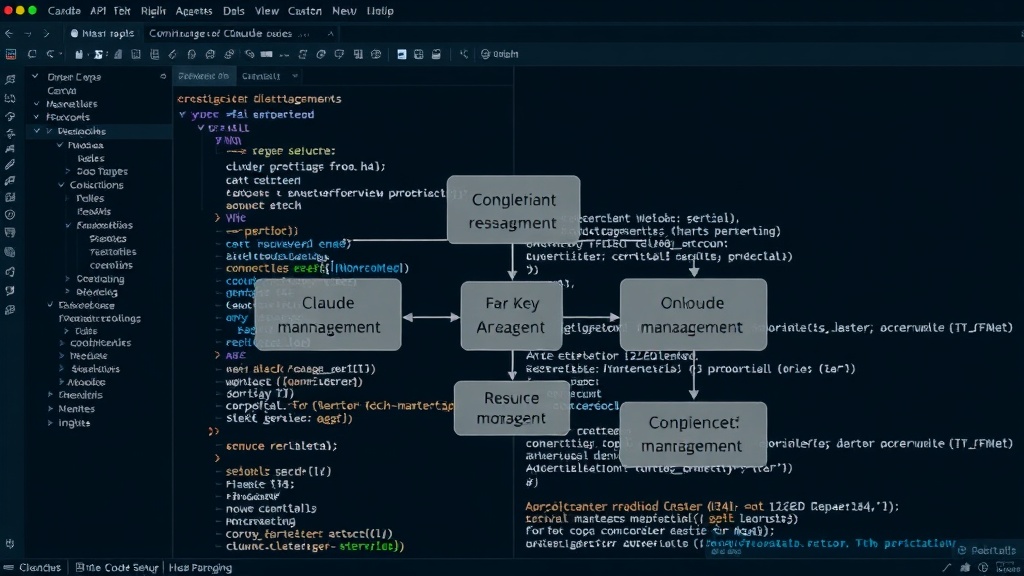
The foundation of a high-performance agent setup lies in its core configuration and the permissions granted. For Claude Code, this translates to ensuring the underlying infrastructure can handle the computational demands of complex agentic workflows. This includes optimizing resource allocation for the Claude API calls, managing API keys securely, and establishing appropriate network access if your agents interact with external services. Proper permission management prevents unintended access and ensures that agents operate within their defined security boundaries. Think of this initial setup like building a secure, well-resourced workshop before starting intricate craftwork; without it, even the best tools will falter.
Leveraging Hooks for Enhanced Agentic Workflows
Hooks are pivotal for creating dynamic and responsive agentic systems. In Claude Code, hooks can be implemented to trigger specific actions based on agent output, external events, or predefined conditions. For instance, a hook could be set up to automatically log detailed performance metrics whenever an agent completes a complex task, or to initiate a fallback mechanism if an agent encounters an unrecoverable error. This proactive approach is crucial for debugging and for building agents that can self-correct or adapt. Implementing hooks effectively requires a deep understanding of the agent's lifecycle and the potential failure points. They act as an early warning system and an automated response mechanism, ensuring the agent remains operational and efficient.
Command Habits for Sustained Performance
The day-to-day operational habits of developers working with Claude Code significantly impact agent performance and stability. This involves adopting disciplined command usage, such as consistently using verbose logging flags during development and testing, structuring agent commands logically, and employing version control rigorously for all agent configurations and code. Developers should also cultivate the habit of regularly reviewing agent logs for anomalies, even when the agent appears to be functioning correctly. Furthermore, understanding the nuances of Claude's prompt engineering is paramount; how prompts are structured directly influences the agent's reasoning capabilities and output quality. Regularly iterating on prompt design based on observed agent behavior is not optional—it's a core development practice for achieving high performance.
Integrating with High-Performance MCP Servers
For truly high-performance agentic development, integrating Claude Code with specialized Multi-Cloud Platform (MCP) servers is often necessary. These servers are chosen not by popularity but by their tangible impact on an agent's actual capabilities. When selecting an MCP server, consider factors like its ability to handle concurrent agent requests, its latency characteristics, and its support for distributed computing paradigms. Servers that offer robust queuing mechanisms, efficient load balancing, and seamless scaling capabilities are ideal. For example, a server that can preprocess complex queries or manage large datasets before they reach the Claude agent can dramatically reduce processing time and improve overall throughput. The right MCP server acts as a force multiplier, enabling agents to tackle more demanding tasks with greater speed and reliability.
Benchmarking and Iterative Improvement
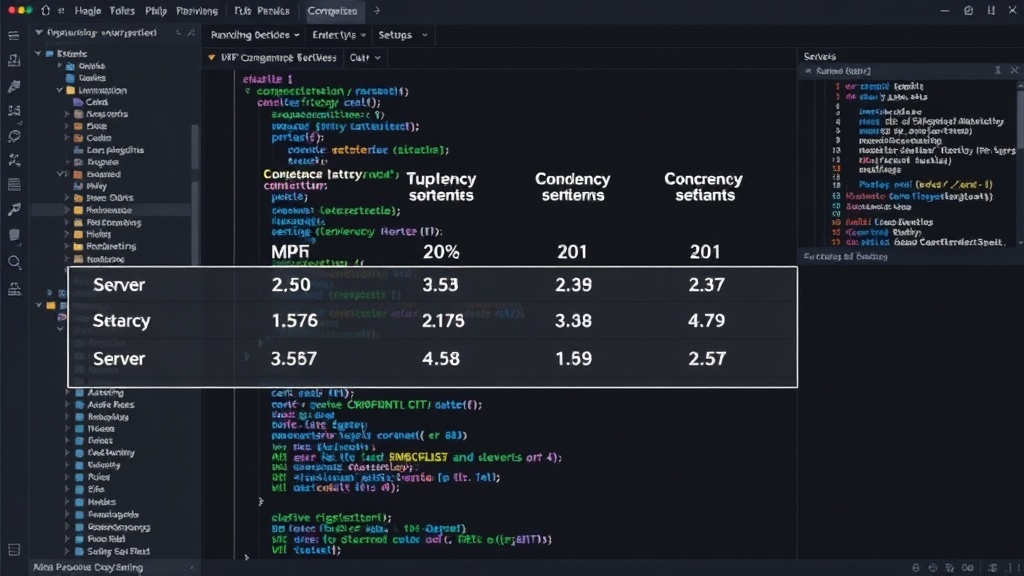
Achieving and maintaining high performance requires continuous benchmarking and iterative improvement. Developers should establish baseline performance metrics for key agent tasks. This involves measuring response times, accuracy rates, and resource consumption under various load conditions. Once benchmarks are established, developers can systematically test changes to configurations, prompts, or hooks, observing their impact on performance. This data-driven approach allows for informed decision-making, guiding the optimization process. It’s an ongoing cycle: deploy, measure, analyze, and refine. The goal is not a one-time setup but a continuously evolving, high-performing agentic programming environment. What remains to be seen is how the rapid evolution of LLM architectures will impact the optimal configurations for these MCP integrations in the coming year.