Industry Revenue Projections and Memory Advancements
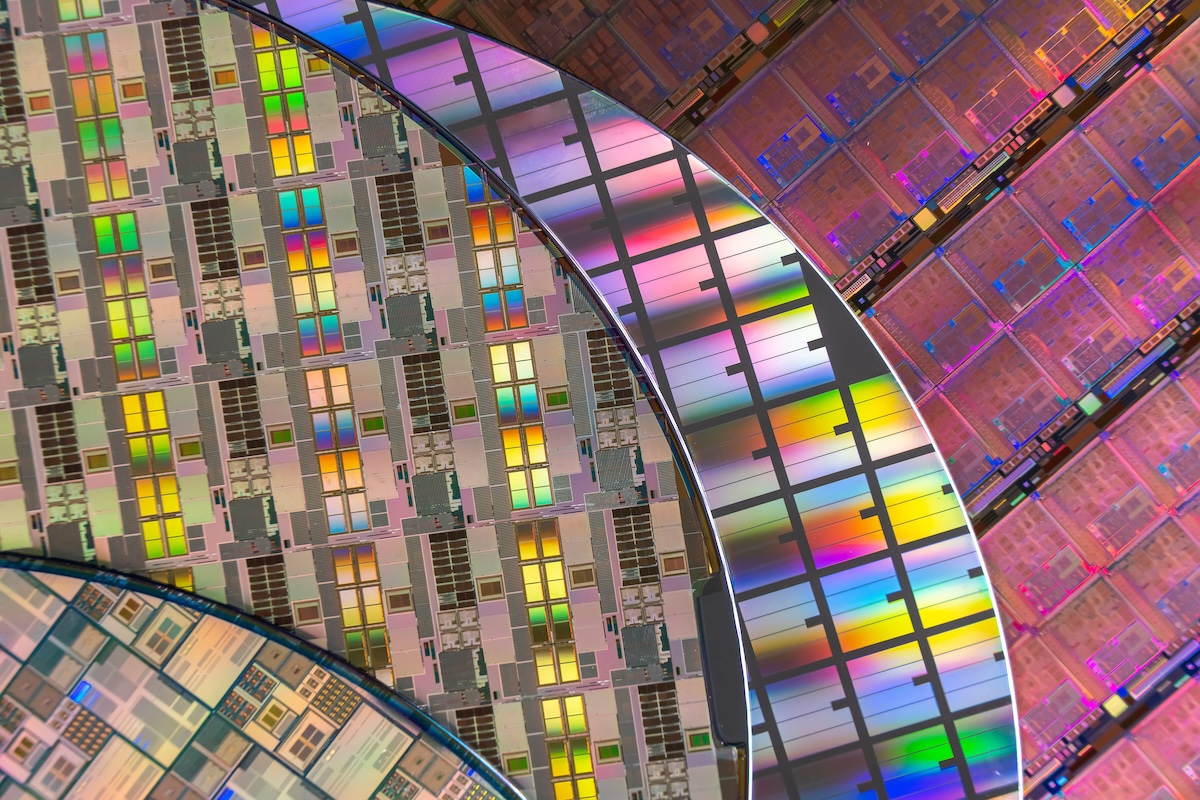
The semiconductor industry is poised for significant growth, with projections indicating a 2026 revenue of $1.65 trillion. This forecast underscores the sector's continued expansion, driven by increasing demand for advanced computing power across all sectors. Concurrent with this growth, advancements in memory technology are crucial. Latest developments focus on increasing memory density, a fundamental metric for performance and efficiency. These improvements are essential for supporting the massive data requirements of artificial intelligence, high-performance computing, and edge devices.
Imec, a global research and innovation hub, has released its metrology roadmap, detailing the critical measurement and characterization techniques required to enable future chip generations. As feature sizes shrink and new materials are introduced, the precision and scope of metrology become paramount. Imec's roadmap outlines the challenges and solutions for inspecting and verifying increasingly complex nanoscale structures, ensuring reliability and performance as the industry pushes the boundaries of Moore's Law.
Materials Science and AI Innovations
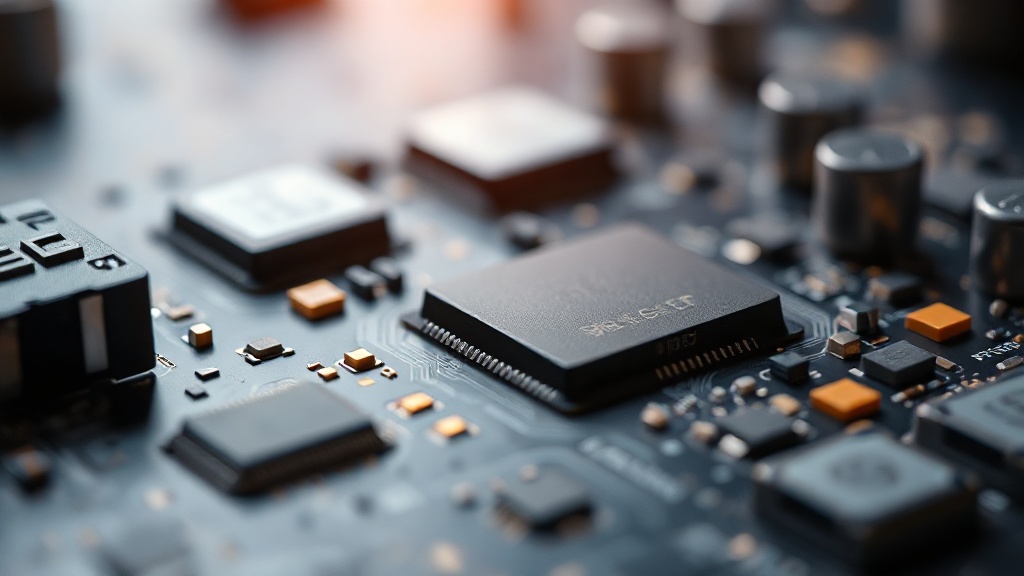
In materials science, MIT researchers have developed a novel approach to self-assembled contacts. This innovation could streamline the manufacturing process for advanced integrated circuits by enabling conductive pathways to form more reliably and efficiently. Traditional methods for creating electrical contacts are often complex and prone to defects, especially at smaller scales. Self-assembly offers a path toward more robust and cost-effective chip fabrication, potentially reducing manufacturing overhead and improving yield rates for next-generation processors.
The AI landscape continues to evolve rapidly, with significant implications for chip design and deployment. Reports of AI sandbox leaks highlight ongoing security and data privacy concerns within AI development environments. These incidents underscore the need for robust security protocols not only in the AI models themselves but also in the infrastructure used to train and test them. The race to develop more powerful AI is inextricably linked to the ability to secure the underlying data and computational resources.
Geopolitical Tensions and Corporate Moves
The global chip industry is also navigating a complex geopolitical environment. New U.S. restrictions on semiconductor technology and equipment are reshaping supply chains and market access. These regulations aim to control the flow of advanced technology, impacting both domestic production capabilities and international trade relationships. Companies are now re-evaluating their global strategies, seeking to balance compliance with operational efficiency and market reach. This dynamic creates both challenges and opportunities for regional players and those looking to diversify their manufacturing and supply chain footprints.
In a move that could significantly alter the landscape of specialized processors, NXP Semiconductors is reportedly in talks to acquire Ambarella. Ambarella, known for its AI-enabled computer vision chips, particularly in the automotive and robotics sectors, would bring a strong AI and edge processing portfolio to NXP's existing strengths in automotive and industrial embedded solutions. Such a merger would create a formidable competitor in the rapidly growing market for AI-powered edge devices, offering integrated solutions from sensor to cloud.
Training and Emerging Technologies
Addressing the talent gap in the semiconductor sector, there is a renewed focus on IC (Integrated Circuit) training programs. As the complexity of chip design and manufacturing increases, a skilled workforce is more critical than ever. These initiatives aim to equip engineers and technicians with the latest knowledge and practical skills needed to innovate and operate in advanced semiconductor facilities. The success of future chip technologies hinges on the availability of specialized talent.
Beyond the immediate industry news, research into novel computing paradigms continues. The concept of memory-centric accelerators, which process data closer to where it is stored, is gaining traction as a way to overcome the limitations of traditional von Neumann architectures. Furthermore, advances in quantum technologies are exploring the use of entangled photons for new forms of computation and secure communication, hinting at future directions that could redefine the limits of what is computationally possible.