
Central African Bank Embraces PAPSS for Enhanced Cross-Border Payments
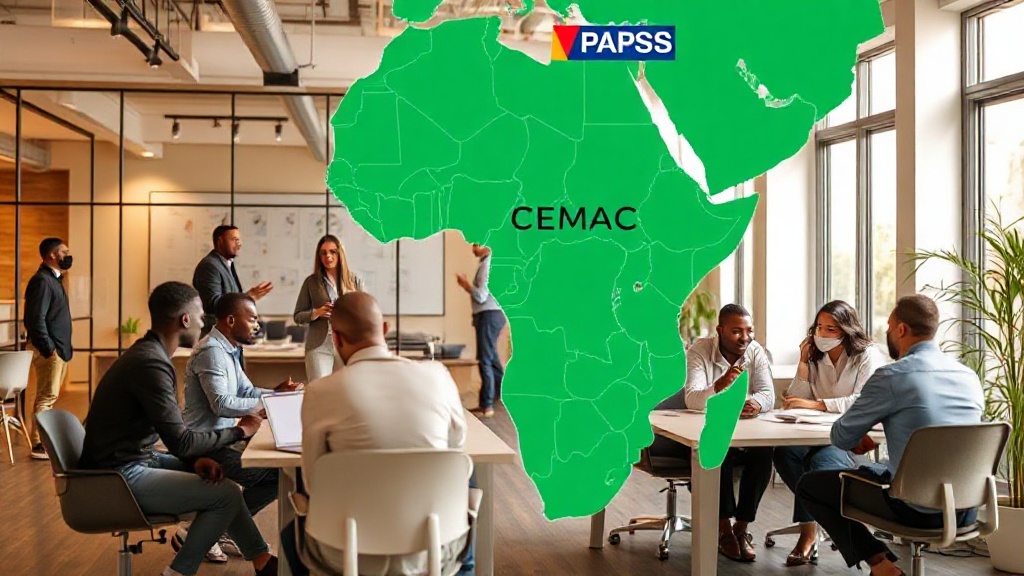
The Banque des États de l'Afrique Centrale (BEAC), commonly known as the Central African Bank, has officially joined the Pan-African Payment and Settlement System (PAPSS). This move marks a pivotal moment for the continent's financial infrastructure, promising to streamline and accelerate cross-border transactions. BEAC serves as the monetary authority for six Central African nations: Cameroon, Central African Republic, Chad, Republic of the Congo, Equatorial Guinea, and Gabon. Its integration into PAPSS is expected to unlock significant efficiencies for businesses and individuals operating within this region and across the broader African continent.
PAPSS, developed by the African Export-Import Bank (Afreximbank) in collaboration with the African Union and its member institutions, aims to create a single market for payments on the continent. By facilitating instant, secure, and affordable cross-border transactions, PAPSS reduces reliance on correspondent banking relationships, which are often costly and slow. The system enables financial institutions to make and receive payments in their local currencies, thereby reducing foreign exchange costs and settlement times.
The Central African Bank's decision to join PAPSS is a testament to the growing recognition of the platform's potential to transform intra-African trade and investment. For businesses in the CEMAC (Central African Economic and Monetary Community) region, this means easier access to markets across Africa. It lowers the barrier to entry for smaller enterprises looking to expand their reach and compete on a continental scale. The ability to transact directly in local currencies removes a significant friction point that has historically hampered cross-border commerce.
Implications for Intra-African Trade and Financial Inclusion
The integration of BEAC into PAPSS is more than just a technical upgrade; it represents a strategic advancement in the pursuit of a truly integrated African economy. The CEMAC region, while rich in resources, has historically faced challenges in facilitating seamless trade with other parts of the continent due to fragmented payment systems. PAPSS provides a unified platform that can bridge these gaps. This could lead to a substantial increase in intra-African trade volumes, as companies find it easier and cheaper to conduct business across borders.
Furthermore, the move has significant implications for financial inclusion. By enabling more efficient digital payments, PAPSS can help bring more individuals and small businesses into the formal financial system. This is particularly important in regions where access to traditional banking services may be limited. Mobile money operators and fintech companies are expected to leverage PAPSS to offer new and improved services, further expanding the reach of digital finance.
The direct impact on businesses will be felt in reduced transaction costs and faster settlement times. Currently, cross-border payments within Africa can take days and incur substantial fees due to the involvement of multiple intermediary banks. PAPSS aims to reduce this to near real-time settlement, with significantly lower costs. This efficiency gain can directly improve the profitability of businesses and make African economies more competitive on the global stage.
The Road Ahead for PAPSS and African Financial Integration
The Central African Bank joins a growing roster of central banks and financial institutions that have adopted PAPSS. This expansion is critical for the network effect of the payment system. The more participants join, the more valuable PAPSS becomes for everyone. Afreximbank has been actively driving this adoption through advocacy, technical support, and by working with regional economic communities and central banks.
While the integration of BEAC is a significant achievement, the journey towards a fully harmonized African payment landscape is ongoing. Challenges remain, including ensuring interoperability with existing national payment systems, addressing varying regulatory frameworks across countries, and building widespread trust and awareness among end-users. However, with each new central bank and financial institution that joins PAPSS, the vision of a seamless, integrated African financial market moves closer to reality.
The success of PAPSS is intrinsically linked to the broader goals of the African Continental Free Trade Area (AfCFTA). By removing payment barriers, PAPSS directly supports the AfCFTA's objective of creating a single market for goods and services. This synergy between trade liberalization and financial integration is crucial for unlocking Africa's full economic potential. The Central African Bank's commitment to PAPSS is a strong signal that the continent is serious about building the foundational infrastructure needed for this ambitious economic agenda.
The technical implementation of PAPSS involves robust security protocols and adherence to international standards for financial transactions. Financial institutions that join the network undergo rigorous vetting to ensure compliance and operational readiness. This meticulous approach is designed to build confidence in the system's reliability and security, which are paramount for the adoption of any new financial infrastructure.
Opeyemi Folorunsho, the Afreximbank official highlighted in the TechCabal Daily excerpt, has been instrumental in the development and promotion of PAPSS. Her work, along with that of many others at Afreximbank and partner institutions, underscores the human effort behind these large-scale technological and financial initiatives. The commitment from individuals and institutions alike is what drives the progress of such transformative projects.
Looking forward, the focus will be on broadening the reach of PAPSS to include more financial institutions, particularly smaller banks and mobile money providers, and on increasing the volume and value of transactions processed through the system. The Central African Bank's entry is a major step, but continued momentum and wider adoption across all African regions are key to realizing the full potential of a unified African payment system.