Why Standard CDNs and Object Storage Aren't Enough
Services like Cloudflare R2, AWS S3, or Vercel Blob Storage are excellent for public assets. But when your media requires authentication, things get complicated quickly. Pre-signed URLs, while useful for temporary access, expire and require careful management. Relying solely on these services for authenticated access means you're often building custom solutions on top, duplicating effort and potentially introducing security gaps. A dedicated SaaS platform offers a more robust, scalable, and manageable approach.
The core challenge is to serve media files only to authorized users, preventing unauthorized access, downloads, or hotlinking. This requires a system that can verify user identity and permissions before delivering content. Think of it less like an open library and more like a secure vault where only specific individuals with the right credentials can access specific items.
Architectural Blueprint for Authenticated Media Hosting
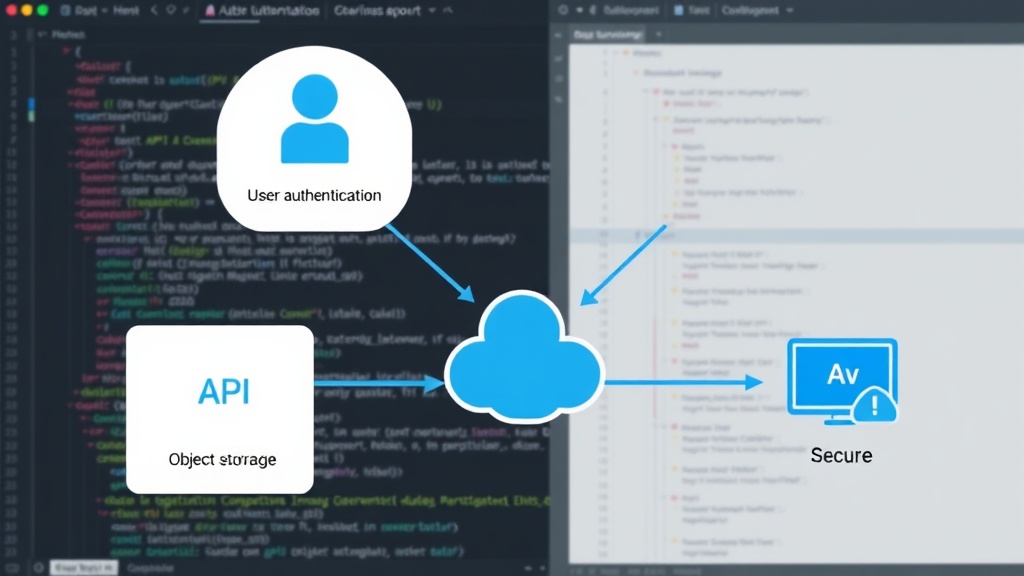
Building a SaaS for authenticated media hosting involves several key components working in concert. The architecture must prioritize security, scalability, and performance.
1. User Authentication and Authorization
This is the bedrock of your system. You need a robust mechanism to verify who is requesting media. This typically involves:
- Identity Provider (IdP): Integrate with existing identity solutions (OAuth, SAML) or build your own user management system.
- Role-Based Access Control (RBAC): Define roles and permissions. For example, a user might have access to 'premium video content' but not 'admin dashboard images'.
- API Gateway: A central point for all requests, responsible for initial authentication and rate limiting.
2. Media Storage
While public CDNs aren't enough for authenticated access, object storage remains the most cost-effective and scalable solution for storing the media itself. Services like AWS S3, Google Cloud Storage, or Azure Blob Storage are ideal. The key is that these buckets should not be publicly accessible.
Instead, access will be proxied through your application layer.
3. Secure Media Delivery
This is where the magic happens. Instead of directly exposing object storage URLs, you’ll use a secure proxy or delivery mechanism:
- Private CDN / Edge Cache: Use a CDN that supports private content delivery, often through signed requests or token authentication. Cloudflare Workers, AWS CloudFront with signed URLs, or similar services can cache content closer to users while enforcing access policies.
- Application-Level Proxy: Your backend application intercepts requests, verifies the user’s authentication and authorization, retrieves the media from object storage, and streams it back to the user. This is more resource-intensive but offers maximum control.
- Time-Limited Access Tokens: Generate short-lived, cryptographically signed tokens that grant temporary access to specific media files. These tokens are passed to the CDN or your application for verification.
4. Metadata Management
You'll need a database to store information about your media files: file names, descriptions, user-uploaded metadata, access control lists, and associated billing information if applicable.
Key Security Considerations
Security must be baked into every layer of your SaaS. Neglecting it can lead to data breaches, loss of trust, and significant financial or reputational damage.
- Encryption: Encrypt media at rest (in object storage) and in transit (using TLS/SSL).
- Access Control Auditing: Log all access attempts, successful or failed, to detect suspicious activity.
- Input Validation: Sanitize all user inputs to prevent injection attacks.
- Secure API Design: Follow best practices for API security, including proper authentication, authorization, and avoiding exposed sensitive information.
- Regular Security Audits: Conduct periodic penetration tests and vulnerability assessments.
Implementation Details and Best Practices
When it comes to putting this architecture into practice, several practical details matter.
Choosing Your Stack
The choice of programming language, framework, and cloud provider will depend on your team's expertise and scalability needs. Common choices include:
- Backend: Node.js, Python (Django/Flask), Go, Ruby on Rails.
- Database: PostgreSQL, MySQL, MongoDB.
- Object Storage: AWS S3, Google Cloud Storage, Azure Blob Storage, Cloudflare R2.
- CDN: Cloudflare, AWS CloudFront, Akamai.
- Authentication: Auth0, Firebase Auth, Okta, or custom solutions.
Handling Large Files and Streaming
For videos, direct streaming is often preferred over full downloads. Your architecture should support:
- Range Requests: Allow clients to request specific byte ranges of a file, essential for video seeking and efficient partial downloads.
- Adaptive Bitrate Streaming (ABS): For video, consider formats like HLS or DASH, which deliver different quality streams based on network conditions. This requires pre-processing media files.
Scalability and Performance
As your user base and media library grow, your system must scale seamlessly.
- Stateless Services: Design your backend services to be stateless, allowing for easy horizontal scaling.
- Caching Strategies: Implement aggressive caching at the CDN and application levels where appropriate, balancing cache freshness with performance.
- Asynchronous Processing: Offload tasks like video transcoding or thumbnail generation to background workers (e.g., using message queues like RabbitMQ or SQS).
Monetization Strategies
Several models can be employed to monetize your authenticated media hosting SaaS:
- Storage Tiers: Offer different storage limits at various price points.
- Bandwidth/Transfer Fees: Charge based on the amount of data transferred out of your system.
- Per-User/Per-Asset Pricing: Charge based on the number of users accessing content or the number of media assets managed.
- Feature-Based Tiers: Offer advanced features like analytics, custom branding, or enhanced security options in higher tiers.
The surprising detail here is not the complexity of the technology, but the sheer breadth of considerations required to build a truly secure and scalable solution. Many assume object storage and a CDN are sufficient, but the nuances of authenticated access demand a more deliberate architectural approach.
The Future of Secure Media Hosting
As applications increasingly rely on rich media for user engagement and core functionality, the demand for secure, authenticated hosting will only grow. Future developments might include deeper AI-driven security threat detection, more seamless integration with decentralized storage solutions, and enhanced developer tooling for managing complex access policies.
If you're building a platform where media is critical and security is non-negotiable, understanding these architectural patterns is essential. It’s the difference between a basic file store and a robust, trustworthy content delivery infrastructure.