
The Dashboard-First Approach to AI Agents
Building your own AI agent can seem daunting, but a pragmatic approach simplifies the process. Instead of aiming for a fully autonomous agent from day one, consider starting with a robust dashboard. This foundational element provides immediate user value and a clear interface for data visualization and interaction. Once this dashboard is established, you can then integrate agentic capabilities, gradually enhancing its functionality and intelligence.
This strategy offers several key advantages. Firstly, it allows for an iterative development cycle. You can deploy a functional product—the dashboard—sooner, gathering user feedback and validating core assumptions. This reduces the risk associated with developing a complex AI system that may not meet user needs. Secondly, a dashboard naturally surfaces the data and key performance indicators (KPIs) that an AI agent would need to operate on. By building the dashboard first, you are effectively pre-structuring the information landscape for your future agent.
Think of it less like building a self-driving car from scratch and more like starting with a well-equipped car dashboard that shows speed, fuel, and navigation. Once that's solid and you know what information is critical, you can then add features like adaptive cruise control or automated parking – the agentic parts.
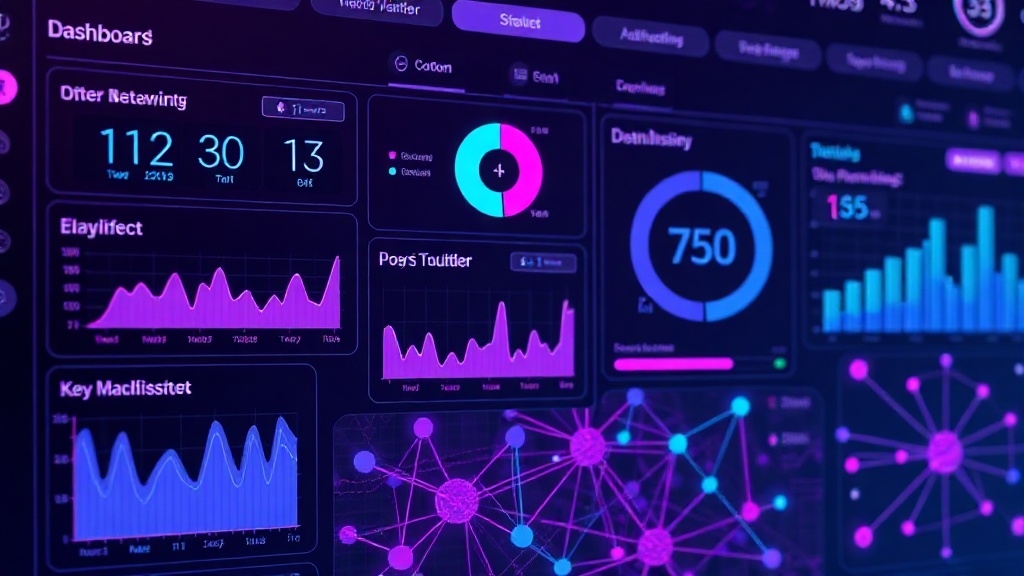
Why Dashboards Pave the Way for Agents
Dashboards serve as the perfect staging ground for AI agents. They are inherently designed to present information clearly and concisely, often highlighting the critical metrics and data points that drive business decisions. This focus on actionable insights is precisely what an AI agent needs to succeed. An agent requires context, data, and a clear understanding of the user's goals, all of which can be effectively surfaced and managed through a well-designed dashboard.
When you build a dashboard, you are forced to define what data is important, how it should be presented, and what actions users might want to take based on that data. This process naturally surfaces the requirements for an AI agent. For instance, if your dashboard shows a spike in customer churn, an AI agent could be tasked with investigating the root causes, predicting future churn, or even initiating retention campaigns. The dashboard provides the initial signal and the interface for the agent's output.
Furthermore, a dashboard provides a tangible, immediate value proposition to users. It’s a tool they can use right away to monitor performance, gain insights, and make informed decisions. This early value creation is crucial for gaining traction and building a user base. As users become accustomed to interacting with the dashboard and relying on its insights, they become more receptive to the introduction of more advanced, automated capabilities offered by an AI agent.
Integrating Agentic Capabilities
Once the dashboard is in place and users are benefiting from its insights, the next step is to layer in agentic functionality. This could involve adding features that automate tasks, provide proactive recommendations, or engage in more complex problem-solving. The key is to ensure these agentic features directly leverage the data and context already present in the dashboard.
For example, if your dashboard tracks sales performance, an AI agent could be developed to analyze sales trends, identify underperforming products, and suggest targeted marketing strategies. The agent doesn't need to start from scratch; it can draw directly from the sales data already being displayed and analyzed in the dashboard. This makes the agent more effective and relevant to the user's immediate needs.
Another example could be in customer support. A dashboard might display ticket volumes, response times, and customer satisfaction scores. An AI agent could then be introduced to triage incoming tickets, suggest relevant knowledge base articles to agents, or even draft initial responses to common queries. The agent augments the existing workflow, making the support team more efficient.
The decision to start with a dashboard and then add agent capabilities is not just a development strategy; it's a go-to-market strategy. It allows companies to enter the market with a clear, usable product and then evolve it into a more sophisticated AI-powered solution. This phased approach can de-risk the development process, accelerate time-to-market, and build a stronger foundation for long-term success in the competitive AI agent landscape.
The SaaStr Perspective
SaaStr, a prominent voice in the SaaS and startup community, advocates for this practical approach. Their perspective emphasizes that while pre-built AI agents are available and can be a valid starting point, building your own requires a strategic, phased methodology. The dashboard-first approach is presented as a simpler, more manageable way to get started. It acknowledges the complexity of AI agent development and offers a concrete path forward that prioritizes user value and iterative improvement. By focusing on the foundational elements first—the data, the interface, and the user interaction—companies can build a solid platform upon which sophisticated AI capabilities can be effectively layered.
This methodology resonates with founders and product teams who need to balance innovation with execution. It suggests that the path to a great AI agent doesn't necessarily involve a single, massive leap but rather a series of well-considered steps. The dashboard provides the essential context and user engagement, making the subsequent addition of AI agent features feel like a natural and valuable enhancement rather than an overwhelming overhaul.