
The Limits of Surface-Level Metrics
The rapid proliferation of AI tools presents a significant challenge: how do we accurately measure proficiency? Simply counting tokens generated or prompts submitted offers a superficial view, akin to measuring a chef's skill by the number of ingredients they've touched. This approach risks inflating perceived expertise and creating a 'fake' proficiency score, obscuring genuine talent and experience. Developers, founders, and researchers alike grapple with this measurement problem, seeking a way to identify individuals with sustained, demonstrable AI-tool experience rather than mere casual users.
Bryan, a developer exploring this measurement problem, has developed a local-first technical alpha designed to capture and record AI tool activity. This system generates a signed, privacy-sanitized snapshot of usage, meticulously separating activity telemetry from self-submitted identity, connected work, and tangible outcomes. Crucially, sensitive data such as prompts, responses, code, local file paths, and credentials are deliberately excluded from the public payload. This ensures that while usage patterns are recorded, the proprietary or sensitive content of the work remains private and secure.
The core of this initiative, housed within the GitHub repository TOKENS, aims to address the long-term question of whether a portable, verifiable AI-work record can be established. Such a record could serve a dual purpose: assisting researchers in recruiting genuine power users for studies and enabling companies to identify candidates with a proven history of sustained, demonstrable AI-tool experience. This moves beyond self-reported skills or easily gamed metrics, focusing instead on a more objective and reliable assessment of practical application.
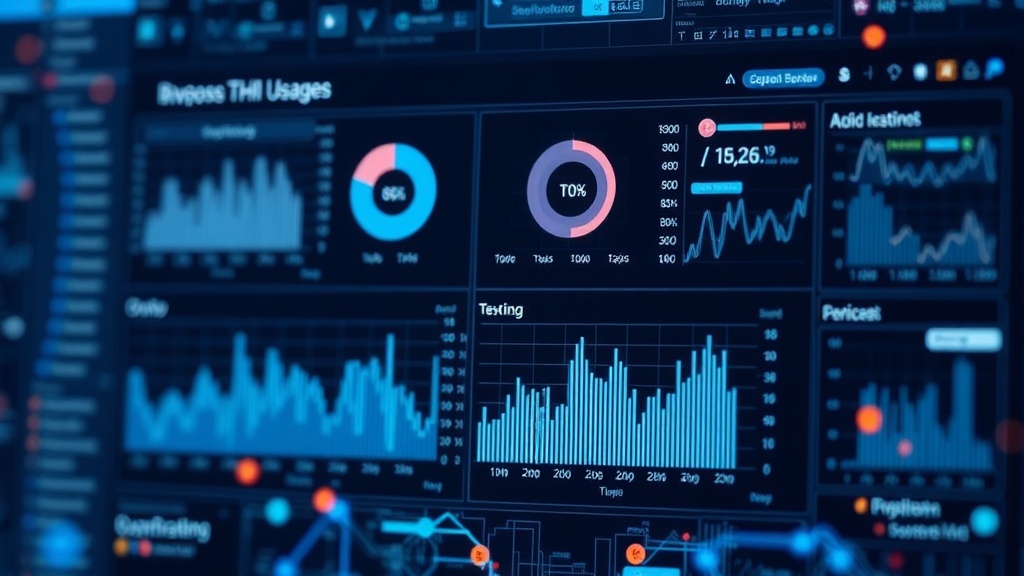
Building a Verifiable AI Work Record
The methodology behind this system is designed for robustness and privacy. By focusing on activity telemetry—what tools were used, for how long, and in what sequence—it captures the essence of engagement without compromising the content of the work itself. This sanitized snapshot is then cryptographically signed, providing a layer of integrity and authenticity to the recorded data. The separation of telemetry from identity and outcomes is key; it allows for the analysis of tool interaction patterns while preserving the user's privacy and the proprietary nature of their projects.
Consider the analogy of a pilot's logbook. It doesn't contain recordings of every conversation in the cockpit or the exact destination of every flight. Instead, it meticulously records flight hours, aircraft types, routes flown, and any significant events. This logbook serves as a verifiable record of experience, trusted by aviation authorities and employers. The TOKENS initiative aims to create a similar, albeit digital, logbook for AI tool usage. It’s less about the specific text generated and more about the patterns of interaction, the duration of engagement, and the consistency of use across different AI modalities.
The implementation, exemplified by the ledger at https://ledger.imagineqira.com/#/u/bryan, provides a glimpse into how this portable record might look. While the specific details of the user's work are abstracted away, the record showcases a history of engagement with various AI tools. The setup instructions, available at https://ledger.imagineqira.com/#/join, outline the process for individuals and organizations interested in adopting or contributing to this framework. This is not about creating a passive scorecard but an active, verifiable testament to an individual's journey and mastery in the evolving landscape of AI-assisted work.
The Broader Implications for Talent and Research
The implications of such a system extend far beyond individual credentialing. For AI researchers, the ability to recruit genuine power users for studies—individuals who have pushed the boundaries of AI tool capabilities—is invaluable. Current recruitment methods often rely on self-selection or broad surveys, which can yield participants with varying levels of actual experience. A verifiable record of AI-tool proficiency could dramatically improve the quality and relevance of research findings by ensuring participants possess the specific, deep experience required for advanced studies.
For companies seeking to hire AI-skilled talent, this system offers a compelling alternative to traditional resumes and interviews, which often fall short in assessing practical AI tool proficiency. Imagine a hiring process where candidates can present a privacy-preserving, signed ledger of their AI tool usage, demonstrating sustained engagement with specific models or workflows. This would allow hiring managers to identify individuals who not only understand AI concepts but have actively and effectively applied them in real-world scenarios. It shifts the focus from theoretical knowledge to practical, demonstrable skill, potentially uncovering talent that might otherwise be overlooked.
The challenge, of course, lies in widespread adoption and standardization. For this portable AI-work record to become a de facto standard, it needs buy-in from tool developers, platform providers, and the user community. The technical hurdles of secure data collection, privacy preservation, and cryptographic signing are being addressed by initiatives like TOKENS. The next frontier is building the ecosystem that recognizes and values these verifiable records, moving the industry beyond vanity metrics towards a more accurate understanding of AI proficiency. What remains to be seen is how quickly this framework can gain traction and become an integrated part of how we assess and develop AI talent globally.