The Google Play Closed Testing Conundrum
Solo developers and small teams publishing on Google Play often hit a wall: the mandatory 14-day closed testing period. While joining a Google Group is simple, ensuring testers keep your app installed and actively use it for two full weeks is a significant challenge. Drop-off before day 14 tanks engagement metrics, leading to rejected production access requests. This roadblock wastes precious development time and delays app launches.
Platforms like Testers Community have long been a go-to solution, but the landscape has shifted. Developers now demand more sophisticated tools. The focus has moved towards platforms offering automated tracking, robust anti-fraud measures, and demonstrably higher tester retention rates. The goal is to satisfy Google's requirements efficiently without compromising the testing integrity or your app's reputation.
Evaluating Alternatives: Key Metrics for Success
When evaluating alternatives to Testers Community, several critical factors emerge. The primary objective is to find a platform that actively encourages prolonged engagement. This means looking beyond simple user acquisition and focusing on tester quality and commitment. Automated tracking is essential, providing objective data on app usage and stability during the testing phase. This data not only satisfies Google's requirements but also offers invaluable feedback for development.
Anti-fraud measures are paramount. Inauthentic engagement can lead to rejections and even penalties from Google. Platforms that employ sophisticated detection methods to identify and filter out bots or disengaged users are crucial. Finally, retention rates are the ultimate indicator of a platform's effectiveness. A community that consistently delivers testers who stick with the app for the entire 14-day period is the ideal solution. This ensures a smoother path to production release.
Top 5 Platforms for Reliable Closed Testing
1. AppTaster Pro
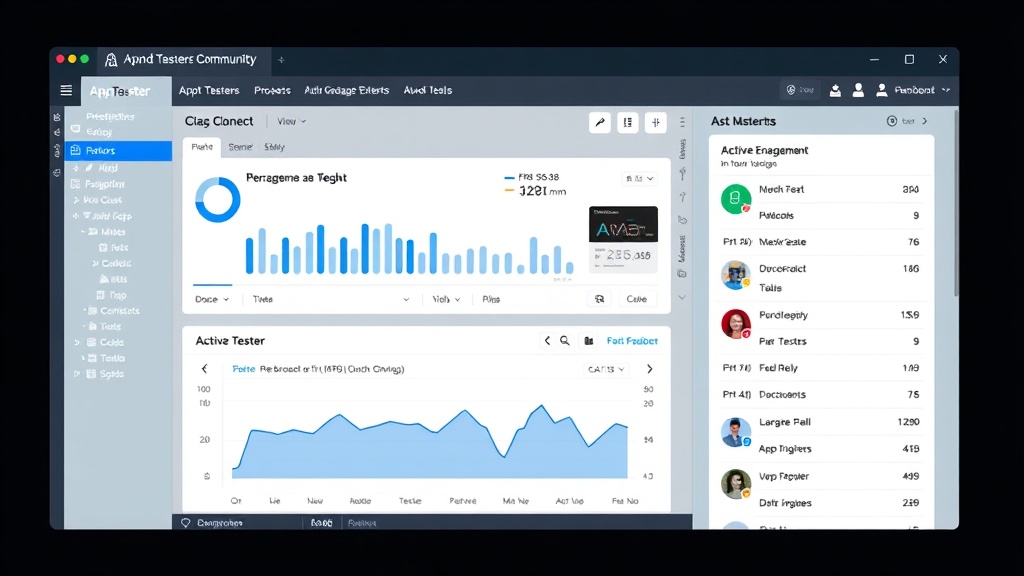
AppTaster Pro positions itself as a premium service for developers prioritizing quality over quantity. It boasts a curated community of active testers who understand the importance of consistent engagement. The platform offers detailed analytics on tester activity, including session duration, feature usage, and crash reports, providing a comprehensive overview of app performance during the testing phase. Its advanced fraud detection system uses behavioral analysis to flag suspicious activity, ensuring that the data you submit to Google is legitimate. AppTaster Pro also facilitates direct communication channels between developers and testers, enabling quicker feedback loops and issue resolution.
2. BetaBurst
BetaBurst focuses on streamlining the closed testing process with an intuitive interface and automated workflows. The platform automatically assigns testers based on app category and target audience, optimizing the selection process. It provides automated reminders to testers to maintain engagement and offers a simple reporting mechanism for bug submissions and feedback. BetaBurst's anti-fraud system is designed to identify disposable email addresses and IP spoofing, ensuring a higher level of tester authenticity. The platform also offers tiered plans, making it accessible for developers with varying budgets.
3. TestFlight Connect (for iOS, but relevant ecosystem insight)
While TestFlight is Apple's native solution, its ecosystem provides a useful benchmark. Developers often wish for a similar seamless experience on Android. Platforms that mirror TestFlight's ease of use and tester reliability are highly sought after. BetaBurst and AppTaster Pro, in particular, aim to replicate this reliability for Android developers. The key takeaway from the TestFlight model is the importance of a tightly integrated, user-friendly platform that testers trust and actively participate in, a standard that Android alternatives are striving to meet.
4. PlaybookQA
PlaybookQA differentiates itself with a strong emphasis on structured testing protocols. It allows developers to create custom testing checklists and scenarios for their testers, ensuring that specific features and functionalities are thoroughly evaluated. This approach not only helps meet Google's 14-day requirement but also provides more targeted feedback. PlaybookQA's community consists of testers who are trained to follow these structured protocols, leading to more consistent and actionable data. The platform also includes robust reporting features that aggregate feedback and performance data into easily digestible summaries, perfect for submission to Google Play.
5. CrowdSource Labs
CrowdSource Labs offers a unique blend of automated testing and human validation. It leverages AI to monitor tester activity and identify potential issues, while also providing access to a diverse pool of human testers for more nuanced feedback. The platform's anti-fraud measures are particularly robust, employing multi-factor verification for testers and real-time activity monitoring. CrowdSource Labs is ideal for developers who need to ensure their app is not only stable but also user-friendly across a broad spectrum of devices and user types. Their reporting provides a clear audit trail of testing activities, which is invaluable for compliance with Google Play's policies.
The Future of Closed Testing
The evolution of platforms like AppTaster Pro, BetaBurst, PlaybookQA, and CrowdSource Labs signifies a broader trend. Developers are moving away from relying solely on organic user acquisition for testing towards more managed, data-driven solutions. These platforms offer a more predictable and reliable pathway to app launch, addressing the specific pain points introduced by Google Play's stricter requirements. As Google continues to refine its policies, the demand for sophisticated, high-retention testing communities will only grow, making these alternatives indispensable tools for app developers aiming for successful production releases.