
The All-in-One Presentation Concept
Bento, a new project presented on Hacker News, proposes a radical simplification of the presentation workflow. The core idea is to package an entire presentation—including its content, editing capabilities, viewing interface, embedded data, and collaborative features—into a single, self-contained HTML file. This approach challenges the conventional software silos that typically separate presentation creation tools (like PowerPoint or Google Slides), data visualization libraries, and real-time collaboration platforms.
The traditional presentation lifecycle often involves multiple tools and formats. You might draft slides in PowerPoint, export them as PDFs for sharing, use separate tools for data analysis and visualization, and rely on cloud-based platforms for team collaboration. Bento seeks to collapse these distinct stages into one easily manageable artifact. Imagine a presentation that you can not only view but also edit directly, with live data feeds and collaborative cursors, all residing within a single file that can be shared like any other document.
This unification promises significant benefits for users accustomed to the friction of tool-switching and format conversion. Developers can potentially embed interactive charts and live data dashboards directly into their slides. Educators can create dynamic, explorable lessons. Business professionals can present interactive reports that stakeholders can engage with, rather than static images.
Technical Underpinnings and Features
While the full technical architecture of Bento is not detailed in the initial announcement, the concept hinges on leveraging modern web technologies. HTML5, CSS3, and JavaScript form the foundational layers. The ability to embed and execute code within a browser environment allows for dynamic content, interactive elements, and potentially real-time updates.
Key features implied by the description include:
- Integrated Editing: Users can modify presentation content directly within the browser, eliminating the need for separate authoring software. This suggests a rich text editor or a WYSIWYG interface embedded within the HTML.
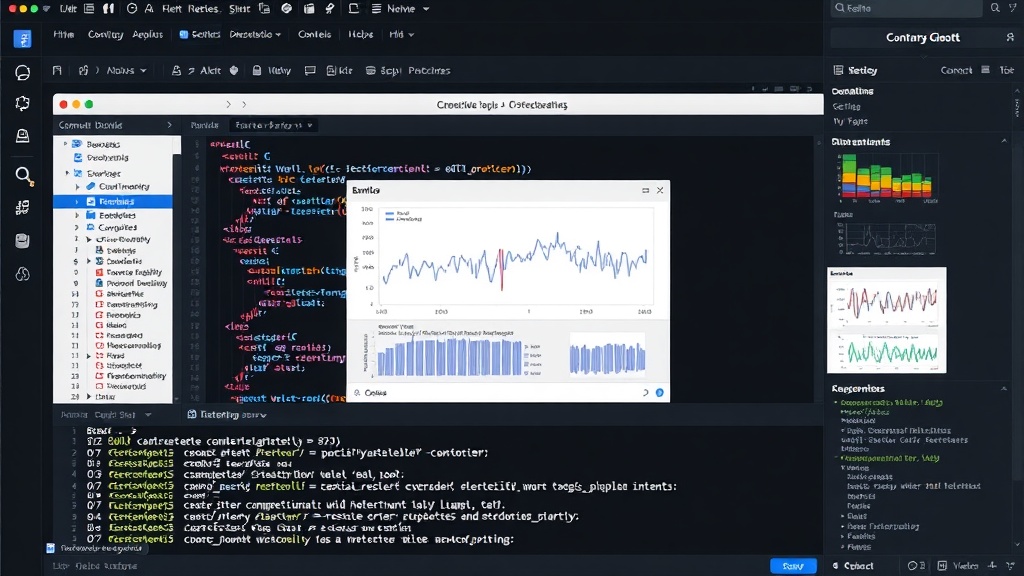
- Data Integration: The ability to include and potentially update data directly within the presentation file is a significant differentiator. This could range from embedding CSV data that renders into charts to live API fetches for real-time information.
- Collaboration: Real-time collaborative editing, similar to Google Docs or Figma, is a stated feature. This implies WebSocket or similar technologies to synchronize changes across multiple users viewing or editing the same HTML file simultaneously.
- Single File Distribution: The entire package is a single HTML file. This makes sharing incredibly simple—no complex export processes, no cloud syncing dependencies beyond the collaboration aspect itself. It can be emailed, hosted on a simple web server, or even shared via a USB drive.
The challenges in such an endeavor are considerable. Managing complex JavaScript dependencies, ensuring robust real-time synchronization for many users, and handling potentially large embedded data sets within a single file are non-trivial engineering problems. Security considerations for embedded code and data also become paramount.
Potential Use Cases and Impact
The implications of Bento, if successfully executed, are far-reaching. For developers, it offers a new paradigm for creating and sharing interactive technical documentation or project proposals. Instead of linking to separate demos or embedding static screenshots, they could present a live, editable prototype within the presentation itself.
In business, imagine a sales presentation where the presenter can pull up live customer data, adjust pricing on the fly, and have the entire proposal update instantly for the client. Or a financial report that updates its charts and figures as new market data becomes available, all within a single, shareable document.
For education, Bento could enable interactive textbooks or lecture materials. Students could not only read and view but also experiment with embedded simulations or data sets, fostering a more engaging learning experience. The simplicity of a single HTML file also lowers the barrier to entry for creating rich, dynamic content, potentially democratizing the creation of interactive materials.
The surprising detail here is not just the consolidation of features, but the ambition to make this consolidation a single, portable file. Most collaborative, data-rich presentation tools are cloud-native and require platform access. Bento's approach of a single HTML file suggests a potential for offline functionality and simpler deployment models, which is counterintuitive to the typical requirements of real-time collaboration and dynamic data.
Future Questions and Developer Implications
The success of Bento will likely depend on its execution, particularly in balancing feature richness with performance and usability. How does it handle large datasets without making the HTML file unwieldy? What is the complexity of the editing interface for non-technical users? How robust is the real-time collaboration engine under load?
What nobody has addressed yet is the long-term archival and version control strategy for presentations stored as single HTML files, especially when they contain dynamic data or collaborative histories. Managing updates and ensuring fidelity over time could become a significant challenge compared to established document management systems.
For developers, Bento represents an opportunity to build highly integrated, interactive presentations without relying on multiple disparate services. The ability to leverage standard web technologies within a single file could streamline workflows for creating rich media content, interactive reports, and dynamic proposals. It pushes the boundaries of what a simple HTML file can contain, blurring the lines between document, application, and collaborative workspace.