The Problem: Accidental Cloud Wallet Drainage
Cloud architects face a persistent threat: unexpected cost spikes. These aren't typically the result of sophisticated cyberattacks, but rather simple human error. A junior developer might launch a high-performance compute or GPU node for a quick test and forget to shut it down, leading to a sandbox budget vanishing within hours. Relying solely on warning emails, training, or reactive cleanup scripts falls short of preventing these costly mistakes at their origin.
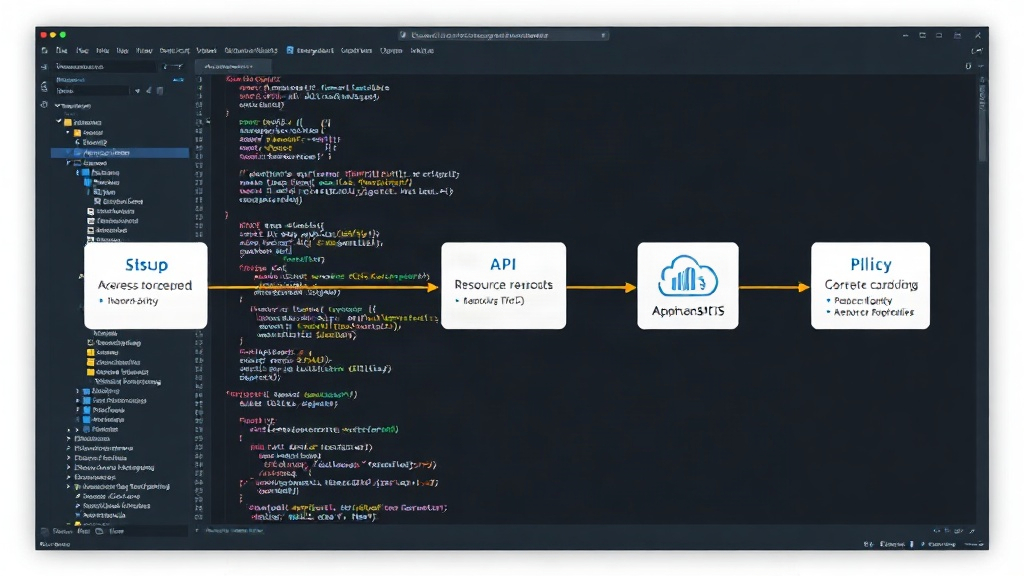
To combat this, a DevSecOps engineer took a proactive approach, programming the Azure Resource Manager (ARM) API gateway itself to intercept and reject unauthorized resource allocations. This was achieved through a combination of Azure Policy and custom RBAC Least-Privilege roles, effectively building guardrails directly into the cloud infrastructure's control plane.
The Solution: API Gateway Interception
The core of this solution lies in leveraging the Azure Resource Manager (ARM) API. Instead of waiting for resources to be provisioned and then cleaning them up, the system intercepts API calls before they can even execute. This means any attempt to provision resources that violate predefined rules is blocked at the gateway level.
This architecture functions similarly to a strict corporate credit card policy. Imagine a company issues credit cards to employees but sets strict spending limits and categories. If an employee tries to book a first-class flight or a luxury hotel that exceeds their approved parameters, the transaction is automatically declined by the card issuer's system before the charge goes through. The Azure API guardrails operate on a similar principle: they act as the gatekeeper for resource provisioning, ensuring that only approved actions can proceed.
Implementing Azure Policy for Resource Constraints
Azure Policy is a key component in this strategy. It allows administrators to enforce specific rules and effects across their Azure resources. For this use case, policies were crafted to define what types of resources are permissible, under what conditions, and by whom. For instance, a policy could be configured to disallow the creation of GPU-accelerated virtual machines in non-production environments or limit the size and type of compute instances that can be deployed.
The power of Azure Policy here is its declarative nature. You define the desired state, and Azure works to enforce it. When a resource deployment request hits the ARM API, Azure Policy evaluates the request against the defined policies. If the request violates a policy—for example, attempting to deploy a resource type not allowed in a specific subscription or resource group—the policy effect is triggered. Common effects include 'Deny,' which prevents the resource from being created, or 'Audit,' which logs the non-compliant activity without blocking it.
Custom RBAC for Granular Least-Privilege Access
Complementing Azure Policy, custom Role-Based Access Control (RBAC) roles are crucial for enforcing the principle of least privilege. This means users and service principals are granted only the permissions necessary to perform their specific tasks, and no more. Instead of assigning broad roles like 'Contributor' or 'Owner,' custom roles are defined with highly specific permissions.
For example, a developer might need permissions to deploy virtual machines but not to modify network security groups or manage billing. A custom role can be created to grant precisely these allowed actions while explicitly denying others. This granular control is applied at the API operation level. By restricting which API operations a user can perform, you inherently limit the types of resources they can provision or modify. This layered approach ensures that even if a policy were somehow bypassed or misconfigured, the underlying RBAC permissions would still act as a significant barrier against unauthorized actions.
The Combined Effect: Proactive Defense
By combining Azure Policy with custom RBAC roles, a robust defense mechanism is established. The ARM API gateway acts as the first line of defense, evaluating every incoming request. Azure Policy enforces organizational standards and resource constraints, while custom RBAC roles ensure that users only have the minimum necessary permissions to interact with the API. This dual approach effectively stops rogue deployments before they can occur, preventing accidental overspending and unauthorized configuration changes.
This system is not about restricting developers; it's about empowering them to operate within safe boundaries. It shifts security and cost management from a reactive cleanup process to a proactive, built-in control. The result is a more secure, cost-effective, and stable cloud environment. The surprising detail here is not the complexity of the solution, but its elegance in addressing a pervasive human-factor problem with fundamental cloud security principles.
Beyond Cost: Security Implications
While the primary motivation for these guardrails is cost control, the security benefits are substantial. Unauthorized resource deployments can introduce significant security risks. For instance, a developer might inadvertently deploy a virtual machine with default, insecure configurations, or provision a storage account with public access enabled. These actions can create entry points for attackers or lead to data breaches.
By preventing unauthorized resource provisioning, these API guardrails directly mitigate such risks. They ensure that all deployed resources adhere to organizational security baselines. Furthermore, by limiting the scope of actions users can take via RBAC, the attack surface is reduced. A compromised developer account, for example, would have far fewer options for causing damage if its permissions were strictly limited to only deploying specific, approved resource types.
What's Next?
The implementation of these API guardrails represents a significant step forward in cloud governance. It moves the control plane from manual oversight and post-deployment audits to automated, pre-deployment enforcement. This proactive posture is essential for managing complex cloud environments at scale. The ongoing challenge will be to continually refine these policies and roles as cloud services evolve and organizational needs change, ensuring that the guardrails remain effective without unduly hindering developer agility.