The Unexpected Trigger: A Billing Alert
It started with a billing alert. Not an unusual event for anyone managing cloud infrastructure, but this one, estimating charges had crossed $250, felt different. It wasn't the amount, but the realization that the alert threshold itself was outdated, a relic of past configurations. This prompted a necessary, albeit delayed, investigation into AWS spending.
The root cause of the alert, upon investigation, was a forgotten BillingAlert resource. This initial discovery was a clear signal that a broader audit of AWS resources was long overdue. Many organizations, much like individuals, tend to set up alerts and then forget about them, only for these dormant configurations to become indicators of larger, unaddressed issues. The immediate next step was to identify and address the specific resource that triggered the alert, but the true value lay in the subsequent, more comprehensive cleanup that followed.
The Cost of Neglect: Identifying Idle Resources
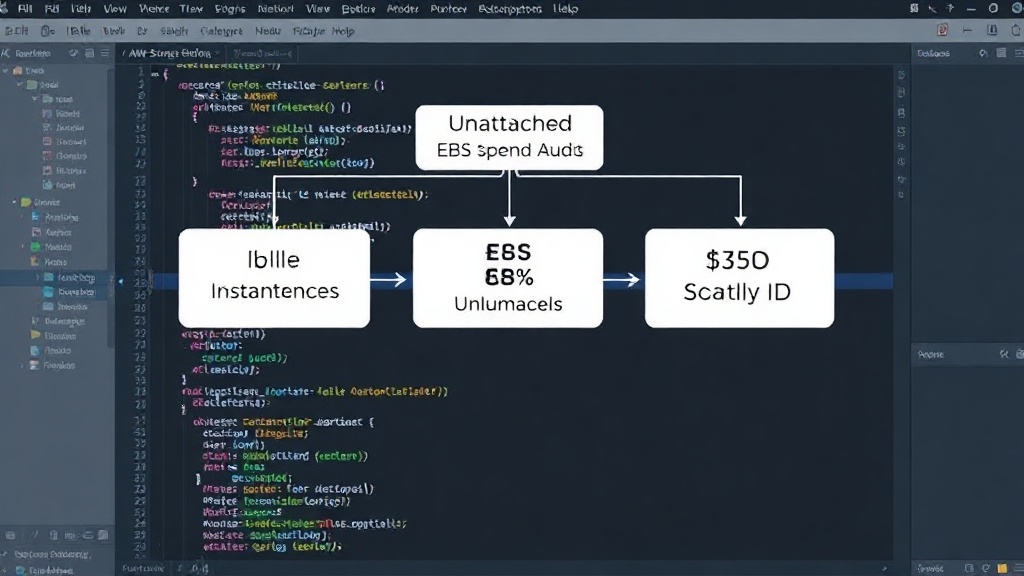
The core problem in managing cloud infrastructure often boils down to the accumulation of "zombie" resources – services and assets that are no longer in active use but continue to incur charges. These can range from idle EC2 instances that were spun up for testing and never terminated, to unattached Elastic Block Store (EBS) volumes, old snapshots, and orphaned Elastic IP addresses. Each of these, while seemingly small on its own, can contribute to a significant and often surprising cloud bill.
The author’s experience highlights a common pitfall: relying on manual checks or infrequent audits. The dynamic nature of cloud environments means resources are constantly created, modified, and sometimes, unfortunately, forgotten. Without a systematic approach to resource management and cost optimization, even well-intentioned cloud users can find themselves paying for services they don't actively use.
To tackle this, a systematic approach is required. This involves not just identifying *what* is running, but *why* it is running and *for how long* it is needed. Tools and strategies that can automate this discovery process are invaluable. For instance, tagging resources with ownership and purpose can significantly simplify the cleanup process. When a resource is identified, its tags can quickly reveal who is responsible and what its intended use was, making it easier to decide whether it can be safely terminated.
Leveraging Automation for Cleanup
Recognizing the scale of the problem and the inefficiency of manual cleanup, the author turned to automation. The article points to the possibility of using agents or scripts to perform this audit and cleanup. This is a critical shift from reactive problem-solving (responding to a billing alert) to proactive management. Automated tools can regularly scan AWS accounts for underutilized or idle resources, flag them for review, and in some cases, even automatically terminate them based on predefined policies.
Consider the analogy of a constantly growing digital attic. Without regular decluttering, it becomes impossible to find what you need, and you end up storing junk you no longer use, taking up valuable space and potentially costing you money. Automated cleanup tools act like a diligent organizer, systematically going through the attic, identifying items that can be discarded, and freeing up space.
The benefits of automation extend beyond just cost savings. It also improves security by reducing the attack surface (fewer forgotten resources means fewer potential entry points for attackers) and enhances operational efficiency by ensuring that only necessary resources are active. This allows teams to focus on innovation and delivering value rather than managing the overhead of legacy infrastructure.
Beyond the Alert: A Proactive Strategy
The incident serves as a potent reminder that cloud cost management is not a one-time task but an ongoing discipline. The initial billing alert was merely the symptom; the underlying issue was a lack of continuous oversight. For developers and operations teams, this means integrating cost awareness into the development lifecycle itself. Infrastructure as Code (IaC) tools, when used effectively, can help enforce tagging policies and define resource lifecycles, preventing the accumulation of orphaned resources in the first place.
Furthermore, regular reviews of AWS Cost Explorer and other cost management tools are essential. These services provide granular insights into spending patterns, helping to identify trends and anomalies before they become significant problems. Setting up automated reports and dashboards can keep teams informed and accountable.
What remains unaddressed for many organizations is the cultural shift required to prioritize cost optimization. It often falls to individual developers or operations engineers to perform these cleanups, but a more sustainable approach involves fostering a shared responsibility for cloud spend across teams. This might involve establishing clear policies for resource provisioning, de-provisioning, and tagging, and empowering teams with the tools and knowledge to manage their own cloud footprint effectively.
Ultimately, the journey from a simple billing alert to a comprehensive cloud cleanup is a valuable one. It underscores the importance of vigilance, the power of automation, and the necessity of embedding cost consciousness into the very fabric of cloud operations. The goal is not just to stop unexpected charges, but to build and maintain a lean, efficient, and cost-effective cloud environment.