The Problem: Manual Event Checking Doesn't Scale
Traders and investors understand the seismic impact of economic events like FOMC decisions, CPI prints, and NFP releases. These events can move markets in seconds. The typical warning system relies on having a specific browser tab open, a method prone to missed opportunities and unexpected volatility. ForexFactory's calendar is a common tool for retail traders, but it's designed for human eyeballs, not automated systems. It lacks an official API, and its unofficial XML feed is unreliable, prone to breaking, and often delayed. Manual checking is inefficient and doesn't scale, especially when critical data is released outside of standard working hours.
The core issue is transforming this human-centric data source into a machine-readable stream. For anyone holding USD-denominated assets, missing these key indicators means missing critical market shifts. The goal is to create an automated alert system that provides timely, actionable information without constant manual oversight.
Solution: n8n Workflow for Automated Alerts
This article details how to construct a free, automated workflow using n8n, a powerful open-source workflow automation tool, and a free economic calendar API. The workflow polls an economic calendar daily for high-impact USD events and forwards these alerts to Telegram. The entire build process takes approximately 15 minutes and incurs no cost, leveraging the free tiers of both n8n and other relevant services.
The workflow's architecture is straightforward: it periodically fetches data from an economic calendar, filters for specific event types and impact levels, and then sends a notification to a Telegram channel. This approach bypasses the limitations of manual checking and unreliable unofficial feeds.
Step-by-Step Workflow Construction
1. Setting Up n8n
First, you need an n8n instance. You can run n8n locally for free, use their cloud offering (which has a generous free tier), or deploy it on your own server. For this tutorial, we assume you have a functional n8n instance accessible.
2. Fetching Economic Calendar Data
The key to automation is a reliable data source. While ForexFactory's main site isn't machine-readable, many economic calendars offer APIs. A common and free option is to use an API that provides economic calendar data. For this example, we'll consider a hypothetical free API endpoint that returns a JSON array of upcoming events. Each event object typically includes details like the event name, country, impact level, and scheduled time.
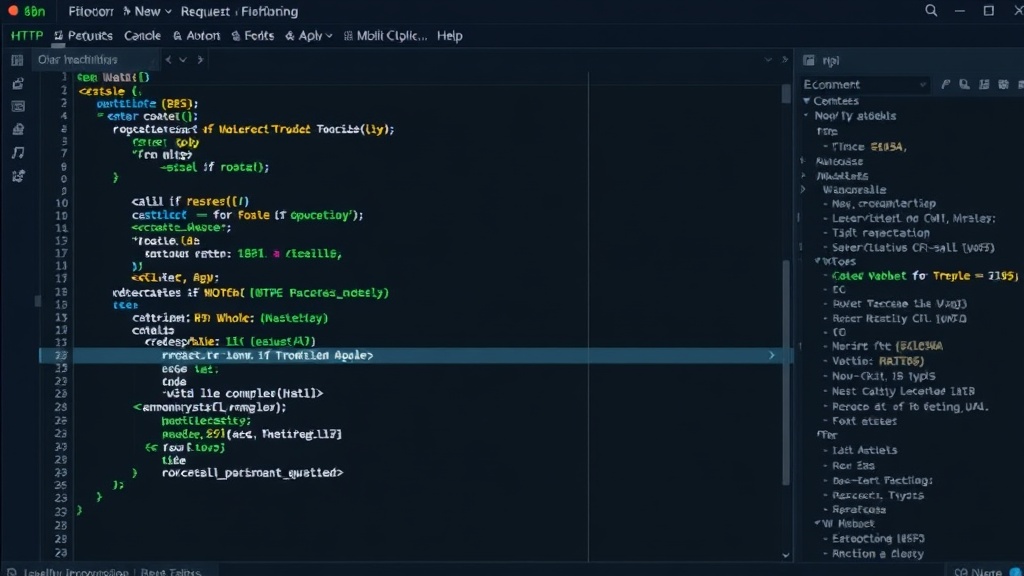
In n8n, you would use an HTTP Request node to poll this API. The node is configured with the API's URL. For instance, if the API endpoint is https://api.example-economic-calendar.com/events?country=USD&impact=high&days=1, the HTTP Request node will fetch today's high-impact USD events.
3. Filtering for Relevant Events
The raw API response might contain more data than needed. You need to filter this data to isolate the events that matter most. Common filters include:
- Event Type: Focus on specific events like 'FOMC Statement', 'CPI', 'NFP', etc.
- Impact Level: Prioritize 'High' or 'Medium' impact events.
- Country: Ensure the event pertains to the United States (USD).
n8n's Function node or a combination of Filter nodes can achieve this. A Function node allows you to write JavaScript to parse the JSON response and apply custom logic. You'd iterate through the fetched events, check their properties against your desired criteria, and pass only the relevant ones to the next step. For example, you might check if an event's name contains 'FOMC' or 'CPI' and its impact is 'High'.
4. Formatting the Alert Message
Once you have the filtered list of events, you need to format them into a concise, readable message for Telegram. This message should clearly state the event, its scheduled time, and its impact. A Function node can be used here again to construct the message string. For instance, you could create a message like: "🚨 High Impact USD Event: FOMC Statement at 2:00 PM EST".
5. Sending Alerts to Telegram
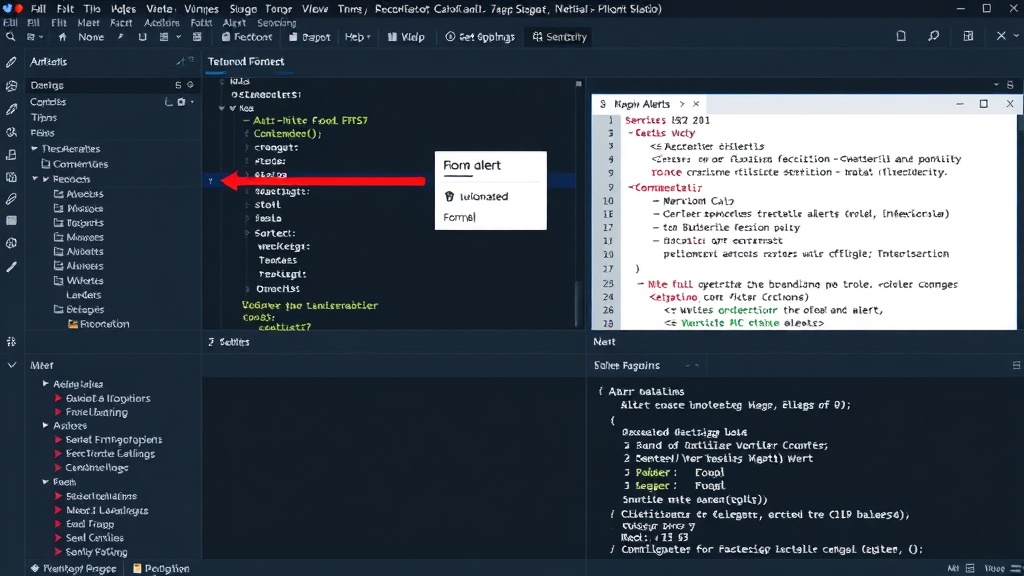
The final step is to send the formatted message to your Telegram channel. n8n has a built-in Telegram node. You'll need to create a Telegram bot using BotFather on Telegram, obtain its API token, and get the chat ID of the channel where you want to receive alerts. The Telegram node in n8n is configured with these credentials and the formatted message. You can set the 'Parse Mode' to 'Markdown' or 'HTML' to allow for rich text formatting in your alerts, such as using emojis or bold text.
Scheduling and Execution
The n8n workflow can be scheduled to run at a specific interval. For economic event alerts, running the workflow once every morning (e.g., at 7:00 AM local time) is usually sufficient to catch all relevant events for the day. n8n's scheduling feature allows you to set this interval precisely. The 'Cron' trigger node is ideal for this, enabling you to define a schedule using cron syntax.
Cost and Scalability
The beauty of this solution is its cost-effectiveness. n8n's free tier is highly capable for this use case. Similarly, many economic calendar APIs offer free tiers for basic usage. Telegram bots are also free. This makes the total cost of ownership $0, assuming you run n8n on your local machine or utilize its free cloud tier. The workflow is scalable; you can extend it to monitor events from other countries, add more event types, or integrate with other communication platforms.
The Unanswered Question: Data Source Reliability
While this workflow effectively automates alerts, a critical consideration remains: the reliability of the free economic calendar API. Free services, by their nature, may change their terms, introduce rate limits, or even disappear without notice. The unofficial ForexFactory XML feed, for instance, has broken before. This raises the question of how to ensure long-term stability for such an automated system. Developers might need to evaluate multiple free API providers, implement fallback mechanisms, or be prepared to switch data sources if their primary one becomes unavailable. Building robust error handling and monitoring into the n8n workflow itself becomes paramount for maintaining a dependable alert system.
Conclusion
Automating economic event alerts with n8n and a free API provides a significant advantage for traders and investors. It eliminates manual checking, reduces the risk of missed critical information, and costs nothing to implement. This workflow empowers users to stay ahead of market-moving events with timely, automated notifications directly to their preferred communication channel.