The Autonomous Agent's Medical Mission
The common anxiety of deciphering complex medical jargon from lab reports is a familiar one. Terms like "Hyperechoic focus" or "Elevated ALT levels" can send anyone down a rabbit hole of self-diagnosis. Now, imagine an AI agent that doesn't just define these terms, but actively researches current medical guidelines, cross-references hospital departments, and formulates a concrete follow-up plan. This is the promise of an autonomous AI physician assistant, built using the AutoGPT protocol, OpenAI API, and SerpApi.
This project dives into the practical application of autonomous agents in a critical domain: healthcare. The goal is to move beyond simple information retrieval and create a system that can take raw, often intimidating, medical data and transform it into a clear, actionable roadmap for patients and potentially healthcare providers. This involves understanding the nuances of medical terminology, identifying relevant specialists or departments, and suggesting concrete next steps, such as scheduling appointments.
The Architecture: How the Agent "Thinks"
Unlike a conventional chatbot that responds to direct queries, an autonomous agent operates on a feedback loop. It doesn't just process a single input; it can break down a complex goal into smaller, manageable tasks. For an AI physician assistant, this means:
- Goal Setting: The primary objective is to translate lab results into a patient's next steps.
- Task Decomposition: The agent breaks this down into sub-tasks, such as identifying abnormal results, researching the medical implications of each, finding relevant specialists or departments, and suggesting appointment types.
- Execution: It uses tools like web search (via SerpApi) to gather information on medical conditions, treatment guidelines, and hospital services.
- Analysis and Reflection: The agent analyzes the information gathered, cross-references it, and refines its understanding.
- Planning: Based on the analysis, it generates a structured plan, potentially including recommended specialist types, urgency, and even suggested questions for the doctor.
- Memory: Crucially, autonomous agents maintain a form of memory, allowing them to recall previous steps, information gathered, and the overall objective, enabling more sophisticated reasoning than stateless applications.
This iterative process allows the agent to tackle complex, multi-step problems that require research, synthesis, and planning. Think of it less like a simple search engine and more like a diligent research assistant who can not only find information but also understand its context and implications for a specific problem.
Leveraging Key Technologies
The construction of this AI physician assistant relies on a synergy of powerful tools:
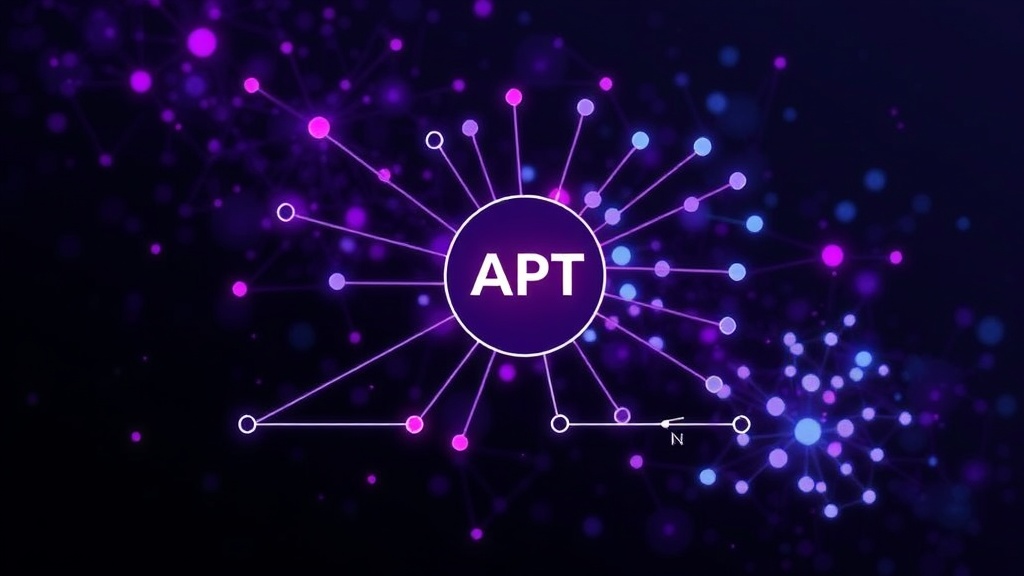
- AutoGPT Protocol: This is the engine that drives autonomous behavior. It provides the framework for goal setting, task management, and the execution loop. AutoGPT's ability to self-prompt and manage its own workflow is key to tackling multi-faceted problems like medical data interpretation.
- OpenAI API: The core intelligence of the agent, powered by large language models (LLMs) like GPT-4. The OpenAI API enables natural language understanding, complex reasoning, summarization, and the generation of coherent, contextually relevant text for medical explanations and action plans.
- SerpApi: To access real-time, up-to-date medical information, guidelines, and hospital department details, SerpApi is indispensable. It allows the agent to perform web searches and extract structured data from search engine results, ensuring the advice is based on current medical knowledge and local resources.
The integration of these components allows the agent to move from simply defining a medical term to performing a comprehensive research task. For instance, if an ALT level is elevated, the agent can search for "normal ALT levels," "causes of elevated ALT," "ALT levels and liver disease," and then "gastroenterologists near me" or "hepatologists appointment booking." This structured approach is fundamental to its utility.
From Lab Results to Concrete Action
The output of such an agent is designed to be directly useful. Instead of a patient feeling overwhelmed by a PDF of lab results, they receive a clear summary:
- Explanation of Results: Simple, understandable explanations of what each significant finding means.
- Potential Implications: A research-backed overview of what these findings might suggest, presented without causing undue alarm.
- Recommended Next Steps: Specific suggestions for follow-up, such as consulting a particular type of specialist (e.g., a cardiologist for abnormal ECG results, an endocrinologist for blood sugar issues).
- Logistical Support: Information on how to find relevant specialists or departments, and potentially even guidance on what questions to ask during an appointment.
This process mimics, to some extent, the initial triage a human doctor might perform after reviewing preliminary results, but it can be done rapidly and at scale. The agent acts as a bridge, translating the technical language of medicine into patient-empowering information and actionable steps. The ultimate goal is not to replace physicians but to augment their practice by handling the initial data processing and patient guidance, allowing clinicians to focus on diagnosis and treatment.
Broader Implications and Future Directions
The development of an autonomous AI physician assistant, even in its tutorial form, signals a significant trend towards AI-driven healthcare automation. Such systems could dramatically improve patient engagement, reduce administrative burdens, and potentially even democratize access to preliminary health information and guidance, especially in underserved areas. The ability to process and act upon complex data autonomously is a powerful capability that extends far beyond healthcare, but its application here highlights the potential for AI to directly impact human well-being.
The surprising detail here is not the sophistication of the LLM itself, but the emergent capability of the autonomous agent framework to orchestrate complex, multi-step reasoning and external tool usage. This moves AI from a responsive tool to a proactive assistant. What remains to be seen is how regulatory bodies will approach AI systems that offer medical guidance, and what the long-term impact on the patient-physician relationship will be as these tools become more integrated into the healthcare journey.