Beyond the Warning: A New Paradigm for Scam Prevention
For decades, the frontline defense against online scams has been a familiar refrain: educate consumers. Public campaigns implore users not to click suspicious links, divulge sensitive information, or fall prey to high-pressure tactics. While this awareness-based approach retains some utility, it places an undue burden on individuals, effectively asking them to be the sole gatekeepers at the final stage of a complex criminal operation. The Australian Scams Prevention Framework (SPF) signals a decisive shift, moving beyond this reactive, consumer-centric model to a proactive, institutionally responsible system.
The SPF mandates that selected service providers actively combat scams that leverage their platforms. This is not a minor adjustment; it represents a fundamental reorientation of responsibility. The framework's architecture is comprehensive, encompassing not just prevention but also detection, reporting, disruption, response, governance, and intelligence sharing. Australia's move signifies an emerging global standard where financial institutions and tech platforms are compelled to build operational systems capable of identifying scam activity, transforming raw reports into actionable intelligence, and intervening to disrupt fraudulent operations. This transition is critical because the digital ecosystem has become the primary vector for increasingly sophisticated scams, outpacing traditional awareness campaigns.
The Limitations of Awareness-Only Models
The efficacy of awareness campaigns is inherently limited. Scammers are adept at evolving their tactics, exploiting new technologies, and crafting increasingly convincing lures. What might appear obviously fraudulent to a savvy user can be highly deceptive to someone less experienced or under duress. The constant arms race between scammers and educators means that awareness often lags behind innovation. Furthermore, placing the onus solely on the consumer ignores the systemic vulnerabilities that scammers exploit. Platforms that facilitate communication, transactions, or identity verification are often passive conduits for fraudulent activity. Without active intervention from these providers, the scammer's path of least resistance remains open.
Consider the analogy of a city's crime prevention strategy. If a city only focused on teaching residents to lock their doors and be wary of strangers, it would be neglecting the role of street lighting, neighborhood watch programs, and police patrols. The SPF recognizes that digital infrastructure is akin to public spaces and utilities. These services have a role in ensuring their environment is not inherently conducive to criminal activity. The framework acknowledges that scams are not just isolated incidents of poor judgment by individuals but are often enabled by the architecture and practices of the services people use daily.
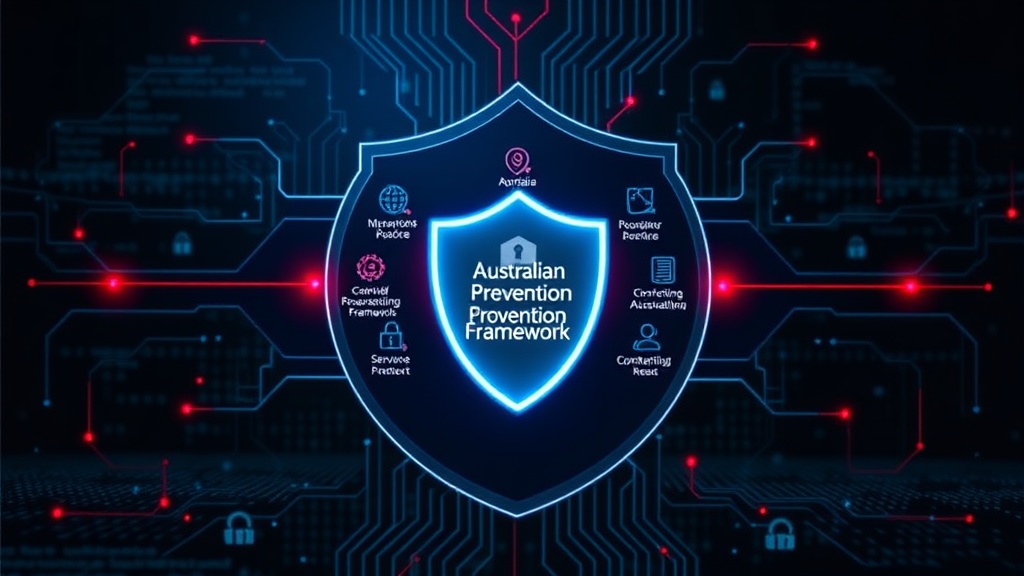
Key Components of the Australian Scams Prevention Framework
The SPF is designed as a multi-faceted system, moving beyond a single point of failure. Its core tenets include:
- Identification and Detection: Service providers must implement measures to identify and detect scam-related activities occurring on or through their platforms. This requires sophisticated monitoring and analytical capabilities.
- Reporting Mechanisms: Robust and accessible reporting channels are essential, allowing users and internal systems to flag suspected scam activity efficiently.
- Intelligence Conversion: Reports must be converted into usable intelligence. This involves analyzing patterns, identifying common tactics, and understanding the scale and scope of scam operations.
- Disruption and Intervention: The framework mandates active intervention. This could involve blocking fraudulent communications, freezing scam-related transactions, or suspending accounts involved in scams.
- Governance and Accountability: Clear lines of accountability are established. Service providers are subject to regulatory oversight, ensuring compliance with their obligations under the framework.
- Intelligence Sharing: Collaboration and information sharing among service providers, law enforcement, and regulatory bodies are crucial for a coordinated response.
This structured approach transforms scam prevention from an educational endeavor into an operational imperative. It requires service providers to invest in technology, processes, and human resources dedicated to combating fraud. The move is analogous to banks implementing sophisticated fraud detection systems for credit card transactions; it's a necessary evolution for digital services handling sensitive user interactions and financial flows.
The Unanswered Question: Scalability and Global Alignment
While Australia's SPF is a significant step, a critical question remains unanswered: how will this framework scale, and what are the implications for global service providers? Many platforms operate across multiple jurisdictions with varying regulatory landscapes. Implementing a robust, multi-layered scam prevention system that meets Australian standards may require significant investment and operational changes. The challenge lies in harmonizing these efforts across different regions and ensuring that scammers cannot simply shift their operations to less regulated territories. The international community will need to consider how to align such frameworks to prevent regulatory arbitrage and create a more secure global digital environment. Without global coordination, localized frameworks risk creating blind spots elsewhere.
Implications for Service Providers and Users
For service providers, the SPF represents a significant increase in operational complexity and potential liability. They must move from passive infrastructure providers to active participants in fraud prevention. This necessitates investments in anti-scam technologies, data analytics, and dedicated operational teams. The potential benefits, however, include enhanced customer trust, reduced reputational damage, and a more secure platform for legitimate users. The cost of implementing these systems must be weighed against the cost of inaction, which includes financial losses for users and erosion of trust in the digital economy.
For users, the SPF promises a safer online experience. While awareness will remain a component of personal security, the primary responsibility for preventing scams will shift to the platforms they use. This means fewer instances of falling victim to phishing attempts, impersonation scams, or fraudulent transactions, as service providers are now incentivized and mandated to intervene. It signifies a move towards a digital environment where security is built-in, rather than an ongoing personal vigilance test.