Bridging the Language Gap with a Scan
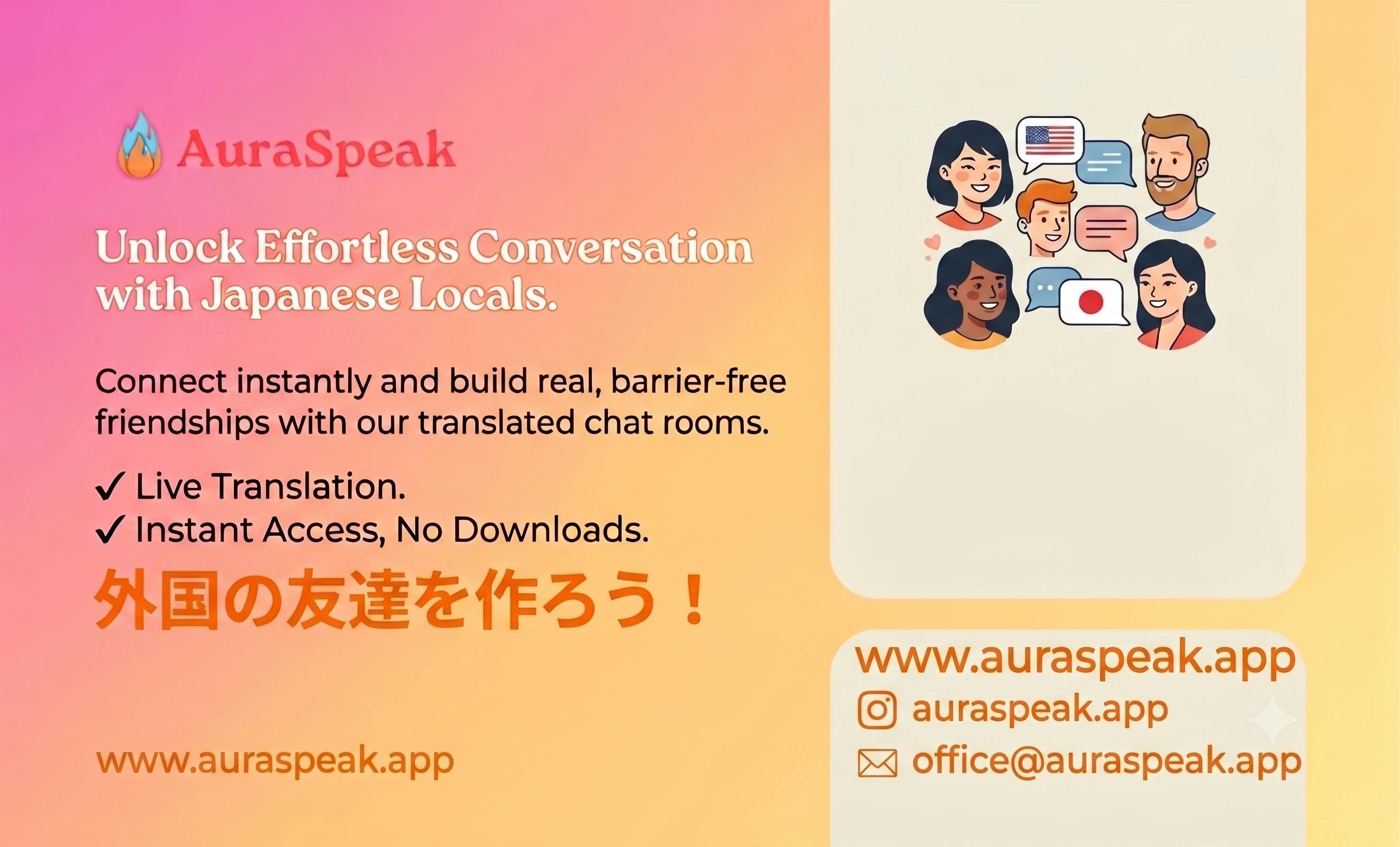
AuraSpeak has launched, introducing a novel approach to breaking down the English and Japanese language barriers. The core of its offering lies in a deceptively simple yet powerful feature: a QR code scan that facilitates instant, real-time translation. This tool is designed for anyone who has found themselves struggling with communication across these two languages, whether for travel, business, or personal interactions.
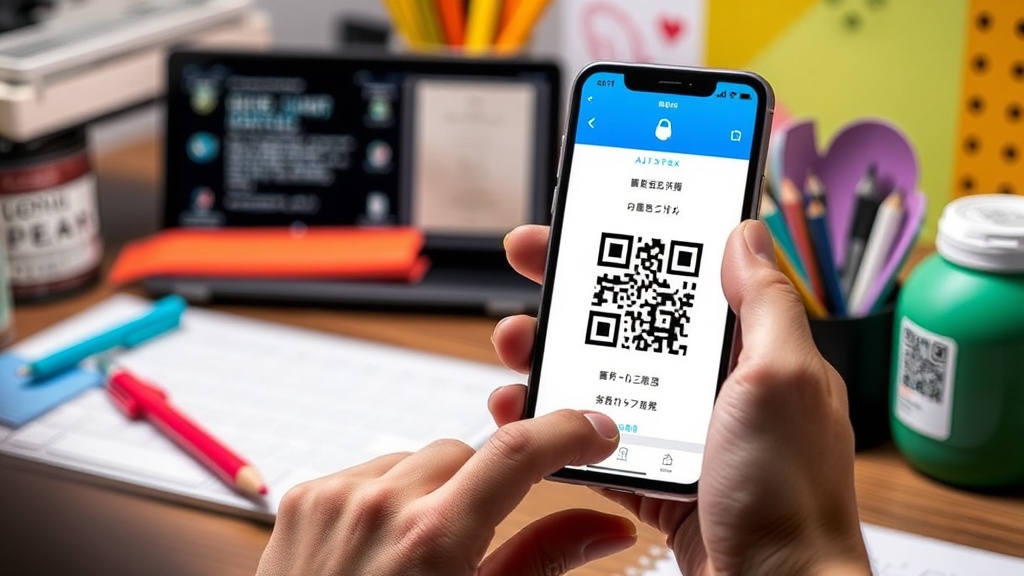
The premise is straightforward. Users can generate or scan a QR code that links to a translation session. This bypasses the need for cumbersome app switching or manual text input, streamlining the communication process significantly. Imagine a traveler in Tokyo needing to ask for directions, or a business professional in a meeting with Japanese counterparts. Instead of fumbling with translation apps, they can simply scan a code, and the conversation can flow more naturally.
The technology behind AuraSpeak aims to abstract away the complexities of language. While the specifics of its underlying translation engine are not detailed, the user experience focuses on speed and accessibility. The QR code acts as a digital handshake, initiating a communication channel pre-configured for translation between English and Japanese. This suggests a system that might pre-load language models or establish a dedicated session upon scanning, optimizing for immediate utility.
How AuraSpeak Works
The user experience is designed to be intuitive. A user intending to communicate with someone speaking a different language would initiate a translation session. This could involve one party generating a unique QR code within the AuraSpeak app. The other party then scans this QR code using their smartphone. Upon scanning, their device would likely open a dedicated chat interface or a web view pre-loaded with the necessary translation capabilities. This allows for spoken or typed input in one language to be instantly translated and displayed in the other.
For instance, if an English speaker wants to communicate with a Japanese speaker, the English speaker could use AuraSpeak to generate a QR code. The Japanese speaker scans it. Now, when the English speaker speaks or types something, AuraSpeak translates it into Japanese for the other person. Conversely, when the Japanese speaker responds, AuraSpeak translates their input into English for the first user. This creates a bidirectional translation flow, making conversations feel more like a continuous exchange rather than a series of disjointed translations.
The potential applications are vast. For tourists, it means navigating foreign cities, ordering food, and interacting with locals with greater ease. For businesses, it can facilitate smoother negotiations, client interactions, and team collaborations where English and Japanese are the primary languages. The speed and directness offered by the QR code mechanism are its key differentiators, aiming to reduce the friction typically associated with cross-lingual communication.
Potential Impact and Unanswered Questions
AuraSpeak enters a market with established translation tools, including major players like Google Translate and DeepL. Its unique selling proposition is the QR code integration, which promises a more seamless and less intrusive user experience. By simplifying the initiation of a translation session, AuraSpeak could appeal to users who find existing methods too cumbersome or time-consuming. The directness of the QR scan is particularly compelling for in-person interactions where quick exchanges are common.
However, several questions remain about AuraSpeak's long-term viability and efficacy. The accuracy and nuance of its translations are critical. While Japanese and English are widely supported by translation technologies, achieving high fidelity, especially for idiomatic expressions or technical jargon, is challenging. How does AuraSpeak handle these complexities? Furthermore, the platform's ability to scale and maintain performance across a large user base will be a crucial test.
What nobody has addressed yet is what happens to the translation session after the immediate need is over. Is there a history saved? Can users revisit past conversations? The current focus is on immediate utility, but the long-term value proposition might depend on features that support ongoing communication or knowledge retention. Additionally, the security and privacy implications of initiating translation sessions via QR codes need to be considered. Are the conversations encrypted? How is user data handled?
The Future of Cross-Lingual Communication
AuraSpeak’s approach highlights a growing trend in technology: simplifying complex processes through intuitive interfaces. The QR code, a technology that has seen a resurgence in recent years, is repurposed here as a key to unlocking instant communication. This strategy could prove effective in contexts where immediate, on-the-spot translation is paramount, such as at international conferences, trade shows, or spontaneous meetings.
The success of AuraSpeak will likely hinge on its ability to deliver consistently accurate translations and a flawless user experience. If it can effectively mediate conversations with minimal lag and high fidelity, it could carve out a significant niche. The simplicity of its core mechanic—scan and translate—is its strongest asset. It transforms the often-awkward process of language translation into something as simple as pointing your phone and scanning a code, much like accessing a website or a Wi-Fi network.
Ultimately, AuraSpeak represents a focused effort to solve a persistent problem. By leveraging a familiar interface element—the QR code—and applying it to the challenge of English-Japanese communication, the company aims to make cross-cultural interactions smoother and more accessible. The tech community will be watching to see if this innovative approach can truly bridge the language divide.