
Aptera Accelerates Towards Production with First 40 Units

The long-awaited solar electric vehicle (SEV) from Aptera Motors is finally moving into production. The company announced it is commencing the manufacture of its first 40 customer vehicles, with deliveries slated for the first quarter of 2025. This marks a significant milestone for the San Diego-based startup, which has been developing its unique, three-wheeled, solar-powered design for years. The initial production run will focus on the "First Edition" models, which are expected to boast impressive specifications. While Aptera has offered various configurations, these early units are likely to feature higher-end options to showcase the vehicle's capabilities. The company has historically promised a range exceeding 1,000 miles on a single charge for some configurations, a figure that has captured significant attention from potential buyers and industry observers alike. This extended range is achieved through a combination of a large battery pack and the vehicle's exceptional aerodynamic efficiency, designed to minimize energy consumption.
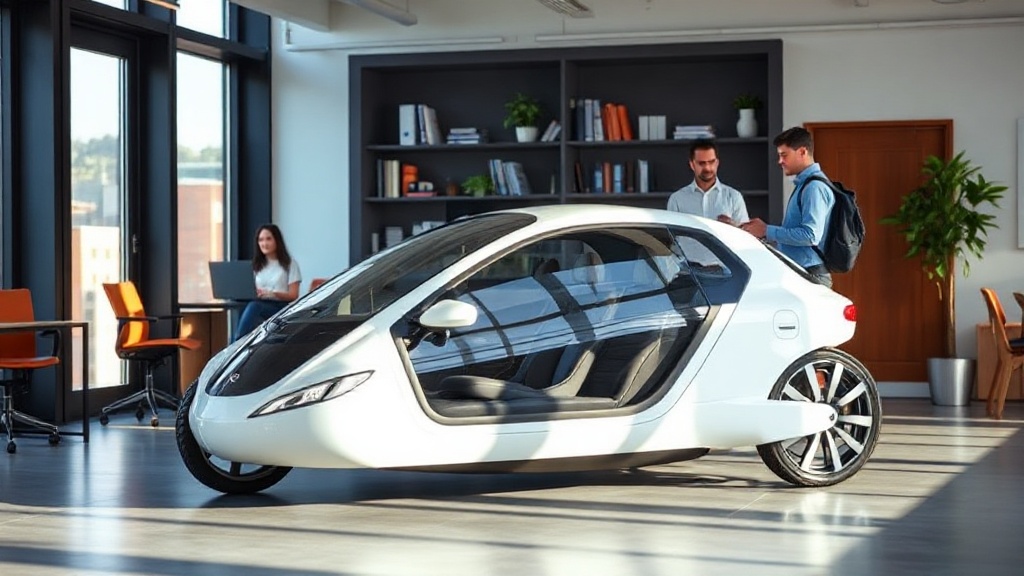
Aptera's distinctive three-wheeled solar electric vehicle design

The Power of Solar Integration

A core differentiator for Aptera is its integrated solar charging system. The roof and hood of the Aptera are covered in solar panels, designed to generate enough electricity to add miles of range daily, even without plugging in. Aptera claims its solar array can produce up to 40 miles of range per day under optimal sunlight conditions. This feature positions the Aptera not just as an electric vehicle, but as a vehicle that can actively contribute to its own energy needs, reducing reliance on the grid for daily commutes. While the solar charging capability is a headline feature, it's crucial to understand its practical implications. The 40 miles of daily range generation is an optimistic figure that depends heavily on direct sunlight and the vehicle's orientation. For many users, especially those in less sunny climates or who park in garages, the solar panels will supplement rather than replace traditional charging. However, for daily commutes under 40 miles, it's conceivable that the vehicle could operate largely off the grid, a prospect that has significant appeal for early adopters and environmental enthusiasts.

Navigating Production Challenges

Aptera's journey to production has been protracted, marked by several funding rounds and design refinements. The company has faced the typical hurdles of automotive startups, including securing manufacturing facilities, establishing supply chains, and meeting rigorous safety standards. The decision to proceed with a limited initial production run of 40 vehicles suggests a strategic approach to de-risk the ramp-up process and gather real-world feedback before scaling to mass production. This phased approach allows Aptera to test and optimize its manufacturing processes, supply chain logistics, and quality control measures with a manageable number of units. It also provides a critical opportunity to engage with the first wave of customers, understanding their usage patterns and identifying areas for improvement in future production cycles. The company has emphasized its commitment to lean manufacturing principles and agile development, aiming to be more responsive to market demands than traditional automakers.

The Road Ahead for Aptera

With the first 40 vehicles entering production, the focus now shifts to scaling up. Aptera has indicated plans to increase production volume significantly after the initial launch. The company's long-term vision involves establishing a robust manufacturing operation capable of producing thousands of vehicles annually. The success of this initial production phase will be critical in attracting further investment and demonstrating the viability of its unique vehicle concept. Aptera's strategy relies on a direct-to-consumer sales model, bypassing traditional dealerships. This approach, common among EV startups, aims to reduce overhead costs and maintain closer relationships with customers. The company has built a substantial reservation list over the years, indicating strong market interest. The ability to deliver on its promises for the First Edition models will be key to converting this interest into sustained demand and market traction. The implications for the broader EV market are significant. Aptera is pushing the boundaries of what an EV can be, integrating renewable energy generation directly into the vehicle's design. If successful, it could inspire other manufacturers to explore similar solar integration, further accelerating the transition to sustainable transportation. The company's progress will be closely watched by competitors, investors, and consumers eager for innovative solutions in the personal mobility space.