
Appwrite 2.0: A New Vision for Open-Source Backend
Appwrite has officially launched version 2.0, a significant update that redefines its position in the developer ecosystem. The open-source BaaS (Backend-as-a-Service) platform now aims to be the go-to cloud solution specifically for agents and developers. This iteration focuses on simplifying complex backend operations, offering a unified platform that abstracts away much of the infrastructure management typically associated with building and scaling applications.
At its core, Appwrite 2.0 is designed to accelerate development cycles. Developers can leverage its pre-built APIs and services to handle common backend tasks such as user authentication, database management, file storage, and real-time functions. The platform's open-source nature means transparency, community-driven development, and the freedom from vendor lock-in, a critical consideration for many development teams and agencies.
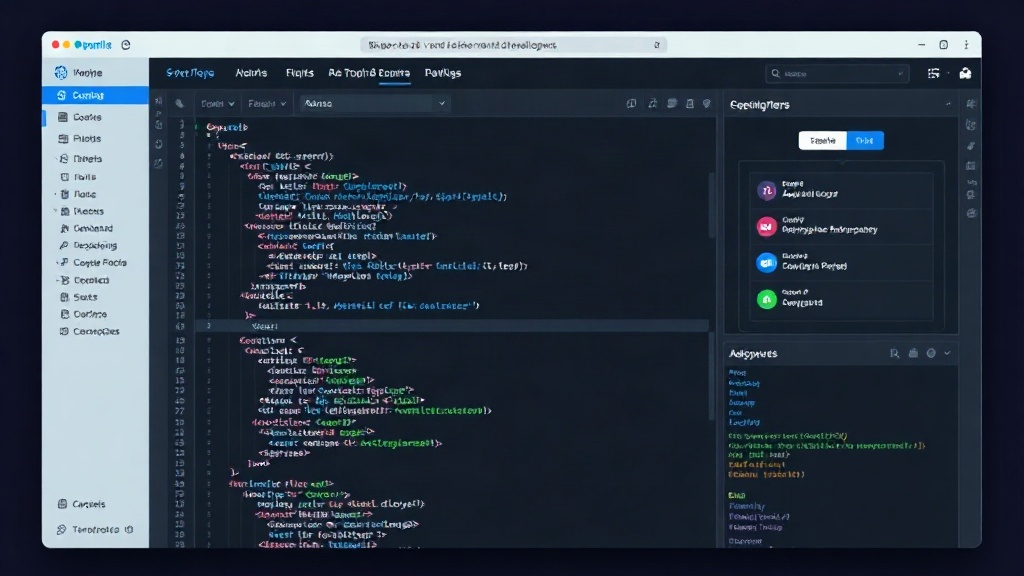
Key Features and Developer Experience Enhancements
Appwrite 2.0 introduces several key features aimed at enhancing the developer experience and expanding its capabilities. The platform's architecture has been refined for improved performance and scalability, crucial for applications that expect rapid growth.
Unified Authentication and Authorization
Authentication is often a time-consuming part of development. Appwrite 2.0 simplifies this with a robust, integrated authentication system. It supports multiple providers, including email/password, OAuth (Google, GitHub, Discord, etc.), and even phone number authentication. The granular authorization controls allow developers to define precise permissions for users and roles, ensuring data security and integrity. This comprehensive approach means developers don't need to build these critical security layers from scratch.
Scalable Databases and Storage
The platform offers a NoSQL database that is both flexible and performant. Developers can define schemas, query data efficiently, and integrate seamlessly with other Appwrite services. Beyond structured data, Appwrite 2.0 also provides secure file storage capabilities, complete with upload, download, and management features. The integration of database and storage services within a single platform reduces the need for multiple third-party services, streamlining the tech stack.
Real-time Functions and APIs
Appwrite Cloud Functions are a cornerstone of the platform, enabling developers to run backend code in response to events or trigger them via APIs. Version 2.0 enhances these functions with improved performance and support for a wider range of runtimes (Node.js, Python, PHP, Ruby, Dart, Go, and .NET). The real-time capabilities allow for instant updates to connected clients, powering features like live chat, notifications, and collaborative tools without complex WebSocket implementations.
Focus on Agents and Agencies
A notable shift with Appwrite 2.0 is its explicit targeting of 'agents' and development agencies. This suggests a focus on features that support multi-tenancy, project management, and team collaboration. For agencies, Appwrite 2.0 aims to provide a reliable, scalable, and cost-effective backend solution that can be deployed across multiple client projects. The open-source model also appeals to agencies looking for flexibility and control over their technology stack, avoiding the constraints of proprietary BaaS offerings.
The Open-Source Advantage
The decision to remain open-source is a strategic one for Appwrite. It fosters a vibrant community that contributes to the platform's development, security, and feature set. Developers can inspect the codebase, contribute fixes, and even self-host Appwrite on their own infrastructure if required. This transparency builds trust and allows for customization beyond what a closed-source product could offer. Unlike many cloud services that operate as black boxes, Appwrite provides clarity on how its services function, which is invaluable for developers who need to understand the underlying mechanics of their applications.
This open approach also means that Appwrite is not beholden to the pricing whims of a single vendor. While a managed cloud service is available, the ability to self-host offers a predictable cost structure, especially for startups and smaller agencies managing tight budgets. The community also acts as an extended support network, often providing solutions and insights faster than traditional enterprise support channels.
Looking Ahead: What's Next for Appwrite?
With version 2.0, Appwrite is not just updating its software; it's articulating a clear vision for the future of backend development. By focusing on the needs of developers and agencies, and reinforcing its commitment to the open-source ethos, Appwrite is positioning itself as a compelling alternative to established cloud providers and proprietary BaaS solutions. The platform's ability to abstract complexity while maintaining control and flexibility will likely resonate with a broad audience seeking to build and scale applications more efficiently.
The success of Appwrite 2.0 will hinge on its continued ability to deliver on performance, security, and ease of use, while nurturing its community. The platform offers a powerful toolkit for modern development, aiming to democratize access to sophisticated backend infrastructure.