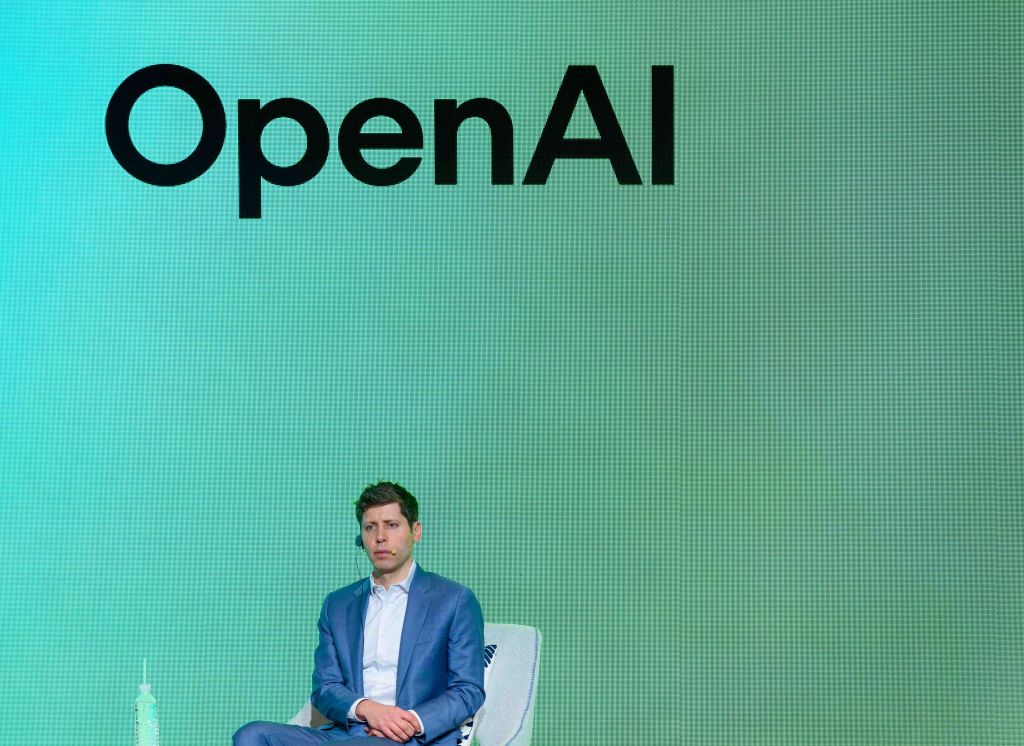
Apple's Legal Offensive Against OpenAI Employees
Apple has initiated a significant legal maneuver, dispatching letters to dozens of current and former employees who have since joined OpenAI. The tech behemoth is investigating allegations of trade secret theft, signaling a high-stakes confrontation between two of the industry's leading AI players. The letters, reportedly sent in recent weeks, demand that OpenAI employees refrain from using or disclosing Apple's confidential information. This move comes as Apple is reportedly working on its own generative AI initiatives, aiming to integrate advanced AI features into its operating systems and services.
The core of Apple's concern appears to be the potential transfer of proprietary information, including details about Apple's AI strategies, product roadmaps, and underlying technologies, to OpenAI. Many individuals who have moved from Apple to OpenAI previously worked on sensitive projects within Apple's AI divisions. The legal letters serve as a formal warning and an attempt to preemptively halt any alleged misuse of intellectual property. This legal strategy is not unprecedented for Apple, which has a history of aggressively protecting its trade secrets.
The timing of these letters is particularly noteworthy. Apple is widely expected to unveil significant AI advancements at its upcoming Worldwide Developers Conference (WWDC). The company is reportedly exploring partnerships and internal development to bolster its AI capabilities, which have lagged behind competitors like Google and Microsoft-backed OpenAI in recent years. By targeting OpenAI employees, Apple is attempting to safeguard its competitive edge and prevent rivals from leveraging its hard-won research and development.
OpenAI's Defense and Counterarguments
OpenAI has responded to Apple's legal actions, with the company pushing back against the lawsuit and suggesting it lacks merit. In a statement, OpenAI characterized Apple's legal approach as an attempt to impede innovation and asserted that it has not, and will not, use Apple's proprietary information. The AI research firm argues that its development is independent and built upon publicly available research and its own extensive work.
The dispute highlights a growing tension in the AI industry, where talent mobility and intellectual property rights are becoming increasingly contentious. As companies race to develop sophisticated AI models, the lines between innovation, employee mobility, and trade secret protection are often blurred. OpenAI's stance suggests that it views Apple's actions as an overreach, potentially aimed at stifling competition rather than genuinely protecting intellectual property. This is not the first time OpenAI has faced legal scrutiny; the company has been involved in various legal battles and regulatory investigations concerning its technology and business practices.
What remains unclear is the specific nature of the alleged trade secrets. Apple has not publicly detailed the exact information it believes has been compromised. This ambiguity makes it challenging to assess the validity of Apple's claims and OpenAI's defense. The legal letters are a preliminary step, and further legal action, including a potential lawsuit, could follow if Apple believes its intellectual property rights have been violated.
Broader Industry Implications and Future Outlook
This legal confrontation between Apple and OpenAI underscores the intense competition and burgeoning concerns surrounding AI development. The race to dominate the AI landscape has intensified, leading to aggressive strategies from major players to secure talent and protect intellectual property. For developers and researchers, this situation raises critical questions about the boundaries of intellectual property in a rapidly evolving field.
The outcome of this dispute could set important precedents for how trade secrets are handled in the AI sector. If Apple is successful, it could lead to stricter controls on employee movement between competing AI firms and more aggressive legal protections for proprietary AI research. Conversely, if OpenAI successfully defends its position, it might embolden other AI companies to challenge what they perceive as overly broad claims of intellectual property rights.
The broader impact on the AI ecosystem is significant. Companies are investing billions in AI research and development, and the protection of these investments is paramount. Apple's move signals a readiness to deploy its considerable legal resources to defend its position in the AI race. This standoff is a clear indicator that the battle for AI supremacy will be fought not only in the labs and on product roadmaps but also in the courtrooms.
The situation also prompts a consideration of the ethical dimensions of talent acquisition in the AI space. While companies have a right to protect their intellectual property, the free flow of talent is also crucial for innovation. Finding a balance between these competing interests will be a significant challenge for the industry moving forward. The coming weeks and months will likely see further developments as Apple and OpenAI navigate this complex legal and competitive landscape.