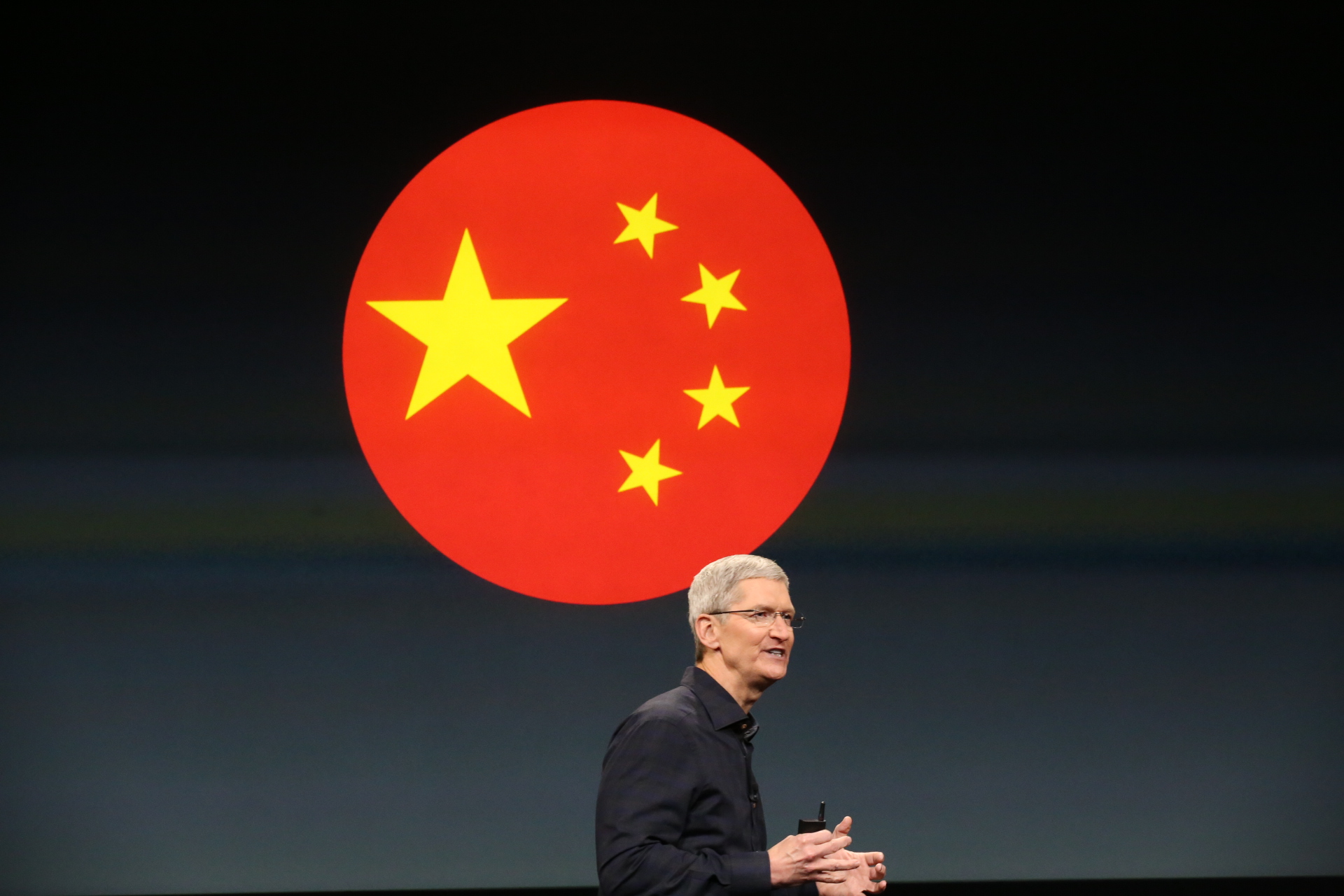
Apple Intelligence Lands in China Through Local AI Partnerships
Apple has received regulatory approval to launch its suite of AI-powered features, branded as Apple Intelligence, in China. This crucial step, long anticipated, was made possible through strategic partnerships with two of China's leading technology giants: Alibaba and Baidu. The approval signals Apple's commitment to adapting its advanced AI capabilities for one of its most significant global markets, navigating the country's specific regulatory landscape and user preferences.
The integration will see Apple Intelligence leverage large language models (LLMs) developed by these local partners. Specifically, Alibaba's Qwen AI models and Baidu's Ernie Bot are expected to power the AI features on Apple devices within China. This approach allows Apple to comply with China's stringent regulations on AI content and data handling, which often require locally developed and managed AI models. Instead of a direct rollout of its proprietary models, Apple is adopting a localized strategy, a move that could set a precedent for other global tech companies seeking to deploy advanced AI in the Chinese market.
This development is more than just a market entry; it's a strategic pivot. Apple Intelligence, announced earlier this year, aims to bring generative AI capabilities across Apple's ecosystem, enhancing user experiences through features like advanced Siri capabilities, writing tools, image generation, and personalized assistance. However, the global rollout of these features is subject to varying regulatory frameworks and data privacy laws in different countries. China's unique digital environment has necessitated this unique collaborative approach.
The partnership with Alibaba, in particular, has been a subject of speculation for some time. Alibaba's Qwen models have demonstrated significant capabilities in natural language processing and generation, making them a suitable candidate for integration into Apple's operating systems. Similarly, Baidu's Ernie Bot, a well-established player in China's AI scene, brings its own strengths in understanding and generating Chinese language content, which is vital for a seamless user experience tailored to local users.
Navigating the Regulatory and Technical Landscape
China's internet regulatory framework is known for its complexity, especially concerning AI technologies. The Cyberspace Administration of China (CAC) plays a pivotal role in approving and overseeing AI services. The approval process for Apple Intelligence likely involved rigorous reviews of how the AI features would handle user data, ensure content safety, and align with national security requirements. By partnering with Alibaba and Baidu, Apple delegates much of the direct AI model operation and content moderation to these established local entities, thereby mitigating direct regulatory risks.
This localized model integration means that the AI experience for users in China might differ from that experienced in other regions. The underlying AI models powering features like text summarization, smart replies, and image creation will be those developed and trained by Chinese companies. This is not uncommon in China, where global tech platforms often adapt their services to meet local requirements. For instance, search engines and social media platforms operate under distinct versions or through local partners.
The technical integration itself presents a significant undertaking. Apple needs to ensure that the APIs and frameworks connecting its devices to Alibaba's and Baidu's LLMs are robust, efficient, and secure. This involves sophisticated software engineering to bridge the gap between Apple's iOS and macOS operating systems and the cloud-based AI services provided by its partners. The goal is to deliver an experience that feels native and seamless, despite the external AI processing.
Implications for Apple and the Chinese AI Market
For Apple, this approval is a critical win. China remains a vital market for iPhone sales and services. Failing to offer competitive AI features could have put Apple at a disadvantage against local competitors like Huawei, which has been aggressively integrating its own AI capabilities into its devices. This partnership ensures that Apple devices in China will not be left behind in the AI race.
The deal also highlights a broader trend: the increasing need for global tech companies to collaborate with local players to succeed in China. It underscores the reality that a one-size-fits-all approach to AI deployment is not feasible in diverse regulatory and cultural environments. Apple's move could encourage other international firms to explore similar partnership models for AI services, potentially fostering a more localized and competitive AI ecosystem within China.
From the perspective of Alibaba and Baidu, this partnership is a significant validation of their AI development efforts. Gaining Apple as a client provides them with a massive new distribution channel and further cements their positions as leaders in China's AI landscape. It also offers valuable data and insights into user interaction with advanced AI, which can fuel further model development and refinement.
However, the long-term implications for Apple's brand and user experience remain to be seen. Will the integrated AI features feel as sophisticated and intuitive as those powered by Apple's own models? How will Apple manage updates and ensure consistency across its global AI offerings? These are questions that will only be answered once Apple Intelligence, powered by its Chinese partners, is widely adopted by users in the region.
The surprising element here is not that Apple is partnering, but the explicit reliance on two distinct, major local LLM providers simultaneously for a core OS feature. This suggests a pragmatic, perhaps even necessary, approach to navigating China's complex regulatory environment, prioritizing market access and compliance over a unified, global AI strategy for the time being. It's a testament to the unique challenges and opportunities presented by the Chinese market.