
The Rumor Mill Grinds: Anthropic's 'Physical Intelligence' Ambitions
AI Twitter is aflutter this weekend with a persistent rumor: Anthropic, the AI safety research company, is on the verge of acquiring or heavily investing in a company focused on what's being termed 'Physical Intelligence.' While concrete details remain scarce, the speculation, fueled by parallel acquisition sprees from OpenAI and others, suggests a significant strategic shift in the AI landscape. This isn't just about smarter algorithms anymore; it's about bringing AI into the physical world with a new level of capability and integration.
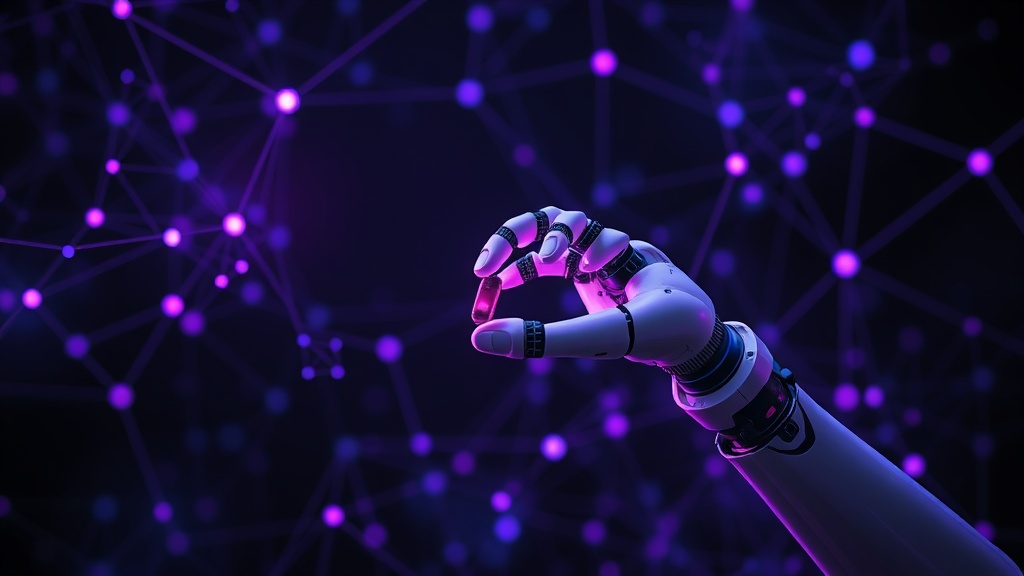
The core of the rumor centers on Anthropic's alleged pursuit of a firm that bridges the gap between advanced AI models and tangible, real-world interaction. This could encompass a wide range of technologies, from advanced robotics and dexterous manipulation to sophisticated sensor integration and hardware platforms designed for embodied AI. The term 'Physical Intelligence' itself implies AI that can not only process information but also perceive, interact with, and act within the physical environment in a nuanced and adaptable way. This is a departure from the purely digital intelligence that has dominated the AI discourse until now.
Why Now? The Convergence of AI and Hardware
The timing of this rumor is particularly telling. The AI industry has seen an unprecedented surge in investment and acquisition activity throughout 2026. OpenAI, in particular, has been aggressive, reportedly exploring deals that could significantly expand its hardware and operational footprint. This competitive pressure likely nudges other major players, like Anthropic, to consider bold moves that secure their long-term strategic positioning. Acquiring a 'Physical Intelligence' company would grant Anthropic immediate access to specialized hardware expertise, robotics platforms, and potentially proprietary sensor technology that are crucial for developing AI systems capable of real-world application.
The Semiconductor Engineering article highlights the increasing importance of 'portability' in the realm of physical AI. This concept is critical: AI models that can be efficiently deployed and operated on edge devices, in diverse environments, and across various form factors. From self-driving cars on highways to diagnostic tools in healthcare, the ability of AI to function reliably and perform complex tasks outside of a data center is paramount. This requires not only advanced AI algorithms but also highly optimized hardware, efficient chip design (including chiplets), and robust sensor integration. If Anthropic is indeed targeting a 'Physical Intelligence' company, it’s highly probable that such a target would possess expertise in these very areas – enabling their large language models or other AI systems to be seamlessly integrated into physical devices and systems.
The Competitive Landscape: A New Arms Race
The implications for the competitive landscape are profound. If Anthropic, known for its focus on AI safety and powerful frontier models like Claude, makes a significant move into physical AI, it signals a new phase of the AI arms race. This race is no longer confined to who can build the largest or most capable language model. It now extends to who can best imbue AI with physical agency. This involves mastering the complex interplay of software, hardware, and real-world physics. Companies that can successfully bridge this gap will be uniquely positioned to dominate sectors ranging from autonomous systems and advanced manufacturing to personalized healthcare and smart infrastructure.
The move could also be seen as a strategic diversification for Anthropic. While OpenAI has been rumored to be exploring deals with chip manufacturers and even building its own AI-specific hardware, Anthropic's rumored acquisition suggests a focus on the application layer of physical AI. This might involve acquiring a company that already has a productized solution or a strong technological foundation for deploying AI in physical systems. Think of it less like buying a component supplier and more like acquiring a company that knows how to build and operate a sophisticated physical machine powered by AI. This could unlock new revenue streams and create defensible moats that are harder to replicate with software alone.
Unanswered Questions and Future Trajectories
What remains unclear is the specific nature of the 'Physical Intelligence' company Anthropic is reportedly targeting. Is it a robotics startup with cutting-edge manipulation capabilities? A sensor technology firm with novel ways to perceive the environment? Or perhaps a company specializing in AI hardware optimization for edge deployment? The ambiguity fuels speculation but also points to the broad spectrum of what 'Physical Intelligence' could entail. Furthermore, the rumor raises questions about the integration challenges. How will Anthropic's existing AI models be adapted and deployed onto these physical platforms? What are the safety implications of AI systems interacting more directly and powerfully with the physical world?
The broader trend towards physical AI is undeniable. As AI models become more sophisticated, the natural next step is to extend their capabilities into the physical realm. This requires overcoming significant engineering hurdles, from power efficiency and real-time processing on embedded systems to ensuring the safety and reliability of AI-driven physical actions. The rumored acquisition by Anthropic, if true, would be a strong indicator that major AI players view this as the next frontier, moving beyond the digital domain to shape the physical world.