The CORS Conundrum
Cross-Origin Resource Sharing (CORS) errors are a persistent thorn in the side of web developers. These errors occur when a web page attempts to make a request to a different domain, protocol, or port than the one from which it was served, and the server does not explicitly permit it. While crucial for web security, the opaque nature of CORS errors often leaves developers struggling to diagnose the root cause. The browser’s error messages can be cryptic, and tracing the request flow through various network layers and server configurations is frequently a time-consuming and frustrating process.
Recognizing this common pain point, developer Gouldart has launched AnotherExample, a free, web-based tool designed to demystify CORS troubleshooting. The tool aims to provide a clearer path to resolution by offering a comparative approach to diagnosing failing requests.
How AnotherExample Works
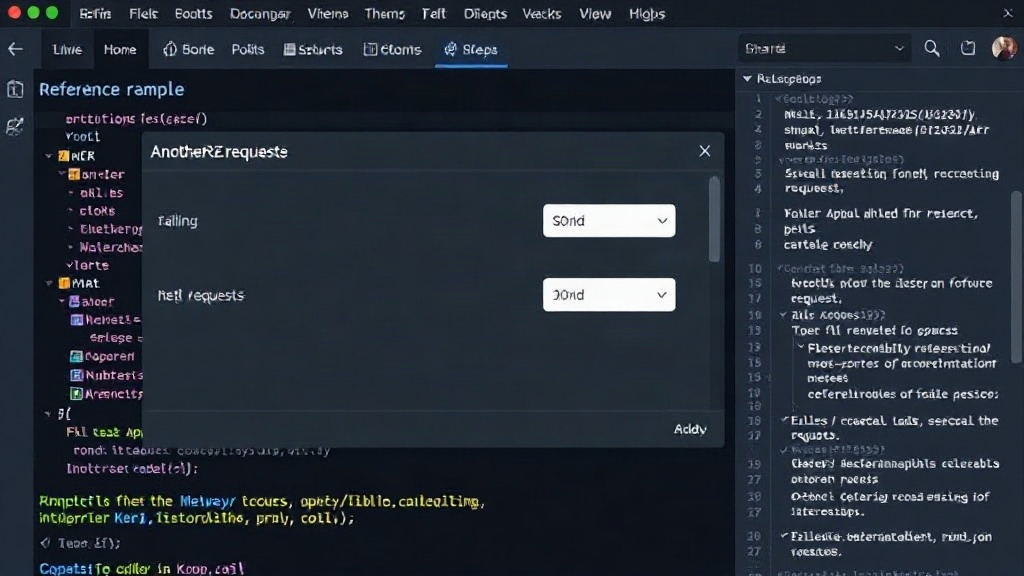
AnotherExample tackles CORS errors by facilitating a direct comparison between a request that fails due to CORS and a similar request to a known-working test endpoint. The core idea is that by observing the differences between a successful and a failed request, developers can more readily identify the specific misconfiguration or policy that is causing the block.
Users can input the details of their problematic CORS request, including the URL, HTTP method, headers, and request body. Crucially, they can also provide details for a reference request—one that is known to work and bypass CORS restrictions. AnotherExample then analyzes both requests, highlighting key differences in headers, origins, and other relevant parameters that might be triggering the CORS policy on the server side.
The tool is built on the premise that many CORS issues stem from subtle misconfigurations in how the server responds to preflight (OPTIONS) requests or in the actual data requests. By presenting a side-by-side analysis, AnotherExample helps developers see which specific headers are missing, incorrect, or unexpectedly present. This comparative view can significantly shorten the debugging cycle, moving developers from a state of confusion to a focused investigation of specific server settings or client-side configurations.
The Genesis of AnotherExample
The inspiration behind AnotherExample stems from a broader interest in making complex web development issues more accessible, particularly for those who might face additional challenges with technology. Gouldart, who has experience training individuals with visual impairments to use assistive technologies, observed how critical clear error reporting and intuitive debugging tools are. When web content fails, and the cause is not readily apparent, it can create significant barriers. This experience fueled a desire to create tools that simplify common, yet often confusing, browser-related problems.
The domain anotherexample.com, which Gouldart had owned for over 20 years without a specific project in mind, provided the perfect home for this new endeavor. The long-held domain, a personal favorite, finally found its purpose in addressing a practical need within the developer community. The tool is presented as a free resource, with an open invitation for user input and ongoing development.
Beyond the Basics: Deeper CORS Insights
While the primary function is comparative analysis, the underlying goal is to educate developers about the intricacies of CORS. Understanding the various CORS headers, such as Access-Control-Allow-Origin, Access-Control-Allow-Methods, and Access-Control-Allow-Headers, is paramount. AnotherExample aims to make these concepts more tangible by showing them in action—or inaction—within the context of a real-world troubleshooting scenario.
For developers new to web development or those who haven't deeply encountered CORS before, the tool can serve as an educational aid. By contrasting a working request with a failing one, they can learn to recognize the patterns of correct CORS configurations. This is particularly useful when dealing with different server-side frameworks or API gateways, each of which might implement CORS policies in slightly varying ways.
The tool is designed to be simple to use, requiring minimal setup. Users don't need to install any software or complex browser extensions. They can access it directly through their web browser, input their request details, and receive an immediate analysis. This accessibility is key to its utility, allowing developers to quickly test hypotheses and iterate on potential solutions without introducing new dependencies into their workflow.
Future Development and Community Input
AnotherExample is positioned as a work in progress. Gouldart actively encourages feedback from the developer community. This input is crucial for refining the tool, identifying edge cases, and adding features that would further enhance its troubleshooting capabilities. Potential future enhancements could include more detailed explanations of specific CORS errors, integration with browser developer tools, or expanded support for different types of cross-origin requests.
The open-source ethos is evident in the project's approach. By offering the tool for free and soliciting contributions, Gouldart aims to build a resource that evolves with the needs of developers. The long-term vision is to make CORS troubleshooting a less daunting task, freeing up developers to focus on building innovative features rather than wrestling with network configuration issues.