
The Problem with Manual Crypto KAT Debugging
When a crypto primitive's Known Answer Test (KAT) fails, developers often face issues with byte-ordering or padding. The immediate, manual solution involves pasting the raw hexadecimal output alongside the ACVP JSON into a chat window. While this approach works for a single algorithm and a small vector file, it quickly becomes unmanageable. This method is tedious, error-prone, and critically, it does not scale when dealing with large vector files or frequent re-runs, hindering efficient debugging and auditability.
The core of the problem lies in the inefficiency of repeated manual intervention. For a single algorithm and a small dataset, the loop of running a local KAT binary, copying the failing vector ID and byte offset, making a fix, and re-running is sufficient. However, this manual process becomes a significant bottleneck when confronted with massive ACVP payloads and the need for repeated testing cycles. Auditing these manual steps also becomes more complex than necessary.
Introducing Model Context Protocol (MCP) for Scalability
To address the scalability gap, a more robust approach is needed: running the KAT binary behind a Model Context Protocol (MCP) over stdio. This shift transforms the debugging process from a manual copy-paste exercise into an automated, structured workflow. MCP allows for structured communication between the testing environment and the debugging tools, enabling a more efficient and auditable process.
This evolution involves several key tool developments:
run_crypto_kat(target, algorithm)tool: This function provides a structured status return, including the failing case ID and the specific diff window. This structured output is far more informative than raw hex dumps and allows for automated parsing and action.load_acvp_vectors(path)tool: Instead of dumping the entire large ACVP file, this tool supports filtering or paging. This dramatically reduces the amount of data that needs to be processed and transmitted, making the workflow faster and more efficient, especially with massive datasets.- Resource Schema and Log Tail: Providing resources for the expected schema layout and the tail of the latest log further aids in automated analysis and debugging. Developers can quickly pinpoint issues by referencing these structured outputs.
The principle is to keep tool outputs small and typed. This structured data format, rather than raw hex, is crucial for enabling automated analysis and integration into larger testing frameworks. It moves the process from a human-readable, manual interaction to a machine-readable, automated one.
Structured Data: The Key to Efficient Debugging
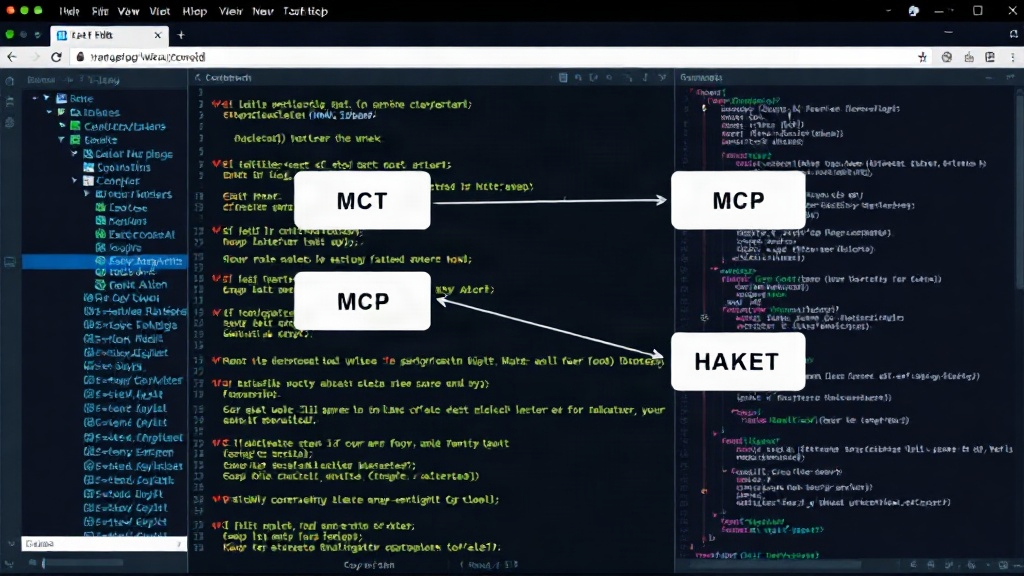
The fundamental shift is from unstructured hex dumps to structured, typed data. When a KAT fails, instead of raw bytes, the system returns a structured response. This response might include the specific algorithm that failed, the ID of the test vector that caused the failure, and the byte offset where the discrepancy occurred. This granular information is invaluable for pinpointing the exact source of the error.
Consider the alternative: manually sifting through thousands of lines of hex output. This is not only time-consuming but also highly susceptible to human error. A single misplaced character or an incorrect interpretation of byte order can lead to hours of wasted debugging time. By contrast, a structured output from an MCP-enabled tool provides clear, actionable data points. This allows for automated scripting of fixes or at least dramatically speeds up the manual correction process.
The structured status return from run_crypto_kat, for example, could be a JSON object like this:
{
  "status": "failed",
  "algorithm": "AES-GCM",
  "vector_id": "vector_12345",
  "byte_offset": 64,
  "message": "Padding mismatch detected"
}
This is a far cry from a raw hex string. Such structured data can be directly fed into other tools or scripts to automatically adjust parameters, re-run specific tests, or even generate patches. The ability to load ACVP vectors with filtering or paging is another critical component. Instead of processing a multi-gigabyte file, a developer can specify a range of vectors or a particular test case ID to load and run. This dramatically reduces memory usage and processing time, making it feasible to run extensive test suites on commodity hardware.
The Benefits for Developers and Security Auditors
This move towards MCP tools offers significant advantages. For developers implementing cryptographic primitives, it means a faster, more reliable debugging cycle. When a test fails, they receive precise information about the failure, enabling quicker identification and correction of bugs related to byte ordering, padding, or implementation logic.
For security auditors, this structured approach enhances the auditability of the testing process. Instead of relying on manual logs and potentially incomplete hex dumps, auditors can examine structured test results and logs. This provides a clearer, more defensible record of whether the cryptographic implementation meets the required standards. The ability to re-run specific failing test cases with targeted fixes also ensures that the corrected code has indeed resolved the issue without introducing new ones.
The broader implication is the professionalization of cryptographic testing workflows. Moving away from ad-hoc, manual methods towards standardized, tool-assisted processes is essential as cryptographic systems become more complex and integrated into critical infrastructure. This evolution ensures that the foundational cryptographic components are rigorously tested and validated, ultimately leading to more secure systems.
What nobody has addressed yet is the potential for these MCP tools to become targets themselves. As they gain prominence in high-assurance testing, ensuring their own integrity and security against tampering becomes paramount. A compromised testing tool could silently allow vulnerabilities to pass, undermining the entire assurance process.