%22%20%2F%3E%0A%20%20%3C%2Fsvg%3E)
AMD Enters the Physical AI Arena with X100 APUs
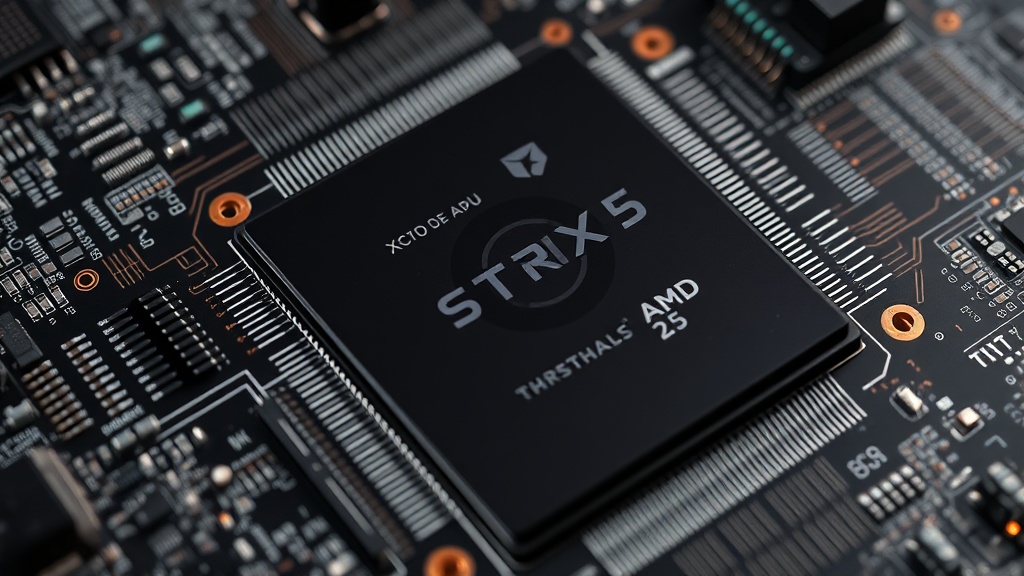
AMD is making a significant push into the burgeoning field of physical AI and robotics with its new X100 chip lineup. At the heart of this initiative are the Strix Halo Accelerated Processing Units (APUs), designed to bring advanced computing capabilities directly into robotic systems. This move positions AMD to compete directly with Intel, which has also been making strides in this sector with offerings like its Panther Lake processors. The X100 series isn't just about raw power; it's engineered for the specific demands of 24/7 operation and a long, 10-year embedded lifecycle, crucial for industrial and commercial robotic applications.
The Strix Halo architecture represents a substantial upgrade, integrating AMD's latest Zen 5 CPU cores with its RDNA 3.5 GPU architecture. This fusion of CPU and GPU on a single die is critical for AI workloads, which often require parallel processing capabilities that GPUs excel at, alongside the sequential processing handled by CPUs. For robots performing tasks in the physical world – from autonomous navigation and manipulation to human-robot interaction – the ability to process sensor data, run complex AI models, and control actuators in real-time is paramount. AMD's Strix Halo APUs are built to deliver this performance efficiently.
Targeting 24/7 Operation and Extended Lifecycles
A key differentiator for AMD's X100 lineup is its explicit design for sustained, high-availability operation. Unlike typical consumer-grade processors that might be optimized for peak burst performance or power efficiency in intermittent use, these APUs are built for continuous operation. This means robust thermal management, enhanced power delivery, and component selection that prioritizes reliability over the long term. The commitment to a 10-year embedded lifecycle is particularly noteworthy. In industries like manufacturing, logistics, and healthcare, where robots are deployed as critical infrastructure, a decade of reliable service without requiring frequent hardware upgrades is a significant economic and operational advantage. This long-term support model is a clear signal that AMD is serious about capturing a substantial share of the industrial embedded market.
The integration of Zen 5 CPUs and RDNA 3.5 GPUs within the Strix Halo APUs promises a powerful platform for on-device AI processing. This 'physical AI' refers to AI that interacts with and operates within the physical world, requiring local processing for low latency and high reliability. Imagine a surgical robot needing to make microsecond adjustments based on real-time imaging, or an autonomous warehouse robot navigating dynamic environments. Relying solely on cloud processing for such tasks introduces latency and connectivity risks. By bringing advanced AI inference and control logic directly to the robot's 'brain,' AMD's X100 chips enable more responsive, resilient, and capable autonomous systems.
Kria SOM: A Developer's Gateway to Robotic AI
To accelerate adoption and simplify development, AMD is also offering the Strix Halo APU as part of a Kria System on Module (SOM). Kria SOMs are pre-built, integrated hardware platforms that bundle the processor, memory, and essential I/O, drastically reducing the time and complexity for developers to get a functional system up and running. For robot developers, this means they can focus on software, AI algorithms, and unique robotic functionalities rather than spending months designing custom carrier boards and dealing with complex board-level integration. The Kria SOM approach acts as a powerful developer kit, enabling rapid prototyping and faster time-to-market for new robotic solutions. This strategy mirrors successful approaches in other embedded markets where pre-validated hardware modules significantly lower the barrier to entry.
The competitive landscape is heating up. Intel's upcoming Panther Lake processors are also targeting similar embedded AI and edge computing applications. By bringing its high-performance Zen 5 CPUs and RDNA 3.5 GPUs to this space, AMD is clearly signaling its intent to challenge Intel's established presence. The inclusion of advanced AI acceleration features within the APU itself, rather than relying solely on discrete AI accelerators, offers a more integrated and potentially more power-efficient solution for many robotic applications. This integrated approach can lead to smaller form factors, lower power consumption, and reduced system cost, all critical factors in the design of next-generation robots.
Implications for the Future of Robotics
The availability of powerful, reliable, and long-lifecycle APUs like AMD's X100 series has profound implications for the future of robotics. It democratizes access to high-performance computing for AI-driven robots, enabling smaller companies and research labs to develop sophisticated systems without needing the massive resources of traditional chip design. The emphasis on 24/7 operation and a decade-long lifespan addresses a critical gap in the market for industrial-grade robotic components. As AI continues to evolve and find new applications in the physical world, the demand for specialized hardware like the Strix Halo APUs will only grow. AMD's strategic entry with a comprehensive platform, including the Kria SOM, positions them as a key player in enabling the next wave of intelligent automation.
What remains to be seen is how effectively these APUs will perform in real-world, demanding robotic environments, particularly under sustained thermal load and in the face of complex, dynamic AI tasks. Benchmarks and early deployments will be crucial in validating AMD's claims of performance and reliability. However, the technical specifications – Zen 5 CPUs for high-performance general computing and RDNA 3.5 GPUs for parallel AI processing – suggest a potent combination capable of handling the increasingly sophisticated demands of physical AI.